In the pipeline transportation field, corrosion is a core problem affecting pipeline lifespan and threatening transportation safety. Whether it's underground municipal pipelines, industrial media transportation pipelines, or exposed oil and gas pipelines, all face multiple corrosion risks, including acidic and alkaline soils, corrosive media, and humid climates. Anti-corrosion steel pipes, with their targeted anti-corrosion treatment processes, effectively overcome corrosion problems and have become the preferred material for pipeline projects in various harsh environments. This article will comprehensively analyze the relevant knowledge of anti-corrosion steel pipes to help you accurately understand and choose them.
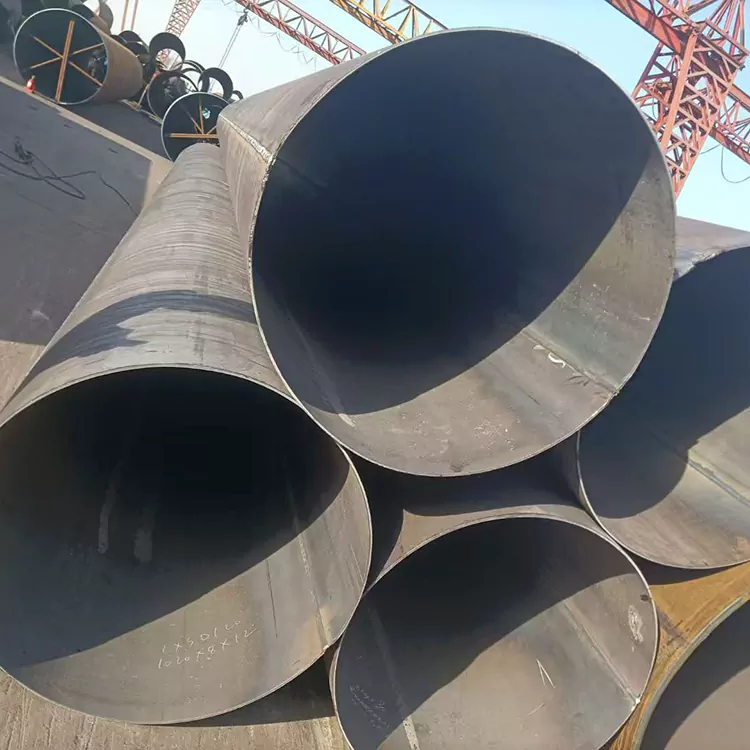
Anti-corrosion steel pipe refers to a special pipe material that, based on ordinary steel pipes, forms an anti-corrosion isolation layer on the surface of the steel pipe through specific physical or chemical processes. This prevents the steel pipe from contacting external corrosive media, thereby extending its service life and ensuring transportation safety. Its core value lies in "corrosion prevention." Different anti-corrosion processes are suitable for different usage environments. Common types of anti-corrosion steel pipes include:
1. Plastic-coated anti-corrosion steel pipes: These have a polymer coating (such as epoxy resin or polyethylene) applied to the inner, outer, or both inner and outer walls of the steel pipe. They combine the strength of steel with the anti-corrosion properties of plastic and are one of the most widely used types of anti-corrosion steel pipes.
2. Epoxy coal tar anti-corrosion steel pipes: These are coated with epoxy coal tar paint, offering excellent acid and alkali resistance and moisture resistance. They are suitable for underground installations and sewage transportation.
3. 3PE anti-corrosion steel pipes: These consist of a three-layer structure (bottom layer epoxy resin, middle layer adhesive, and outer layer polyethylene). They offer extremely strong anti-corrosion performance and are commonly used in fields with extremely high anti-corrosion requirements, such as long-distance oil and gas pipelines.
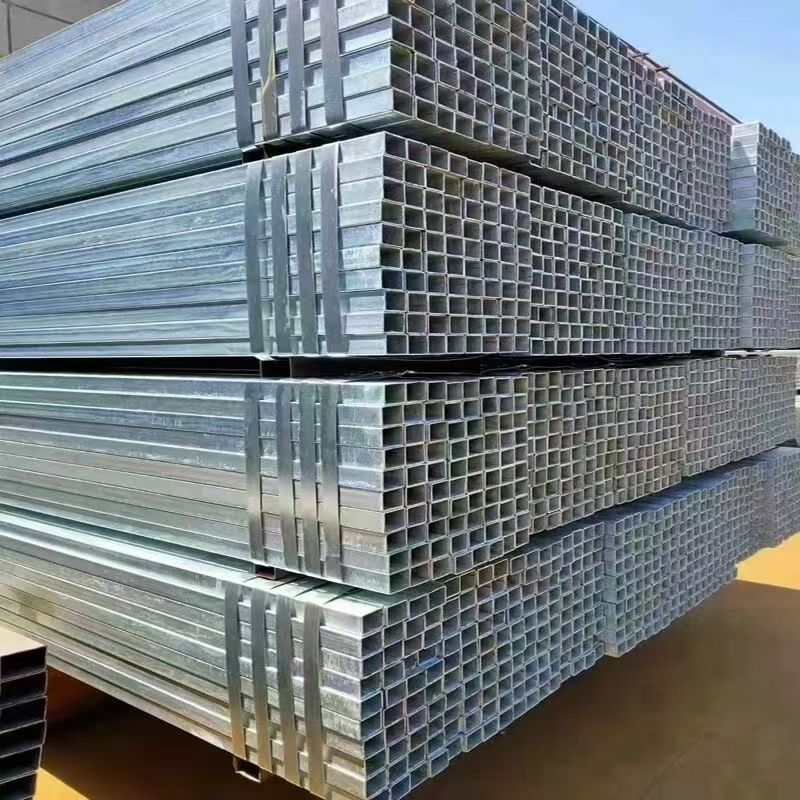
4. Galvanized anti-corrosion steel pipes: These are formed on the surface of the steel pipe through hot-dip galvanizing or cold galvanizing processes. They utilize the sacrificial anode protection principle of zinc to achieve corrosion prevention and are suitable for relatively mild corrosive environments.
Compared to ordinary steel pipes without anti-corrosion treatment, anti-corrosion steel pipes represent a qualitative leap in performance. Their core advantages are concentrated in the following aspects:
1. Strong Corrosion Protection, Significantly Extended Service Life
This is the most crucial advantage of anti-corrosion steel pipes. Through the isolation effect of the surface anti-corrosion layer, it effectively prevents acidic and alkaline substances in the soil, salt in groundwater, and corrosive components in industrial media from contacting the steel pipe body, fundamentally eliminating problems such as rust and perforation. Depending on the anti-corrosion process and the usage environment, the service life of anti-corrosion steel pipes can reach 20-50 years, far exceeding the 5-10 years of ordinary steel pipes, significantly reducing the frequency and cost of pipeline replacement.
2. Ensuring Safe Transportation and Reducing Leakage Risk
Ordinary steel pipes gradually thin and crack under corrosion, potentially leading to leakage of the transported medium and causing safety accidents (such as oil and gas leaks, sewage pollution, etc.). Anti-corrosion steel pipes maintain the integrity and sealing of the pipeline structure, stably bearing the transport pressure even during long-term use, effectively reducing the risk of leakage and ensuring the safety and reliability of the transportation process.
3. Adaptable to diverse and harsh environments, with a wide range of applications
Different anti-corrosion steel pipes can be specifically adapted to different harsh environments: plastic-coated anti-corrosion steel pipes are suitable for water supply and drainage, and chemical media transportation; 3PE anti-corrosion steel pipes can cope with the complex geological and climatic conditions of long-distance oil and gas transportation; epoxy coal tar anti-corrosion steel pipes are suitable for deep underground burial, sewage treatment plants, and other humid and corrosive environments. Whether underground, underwater, open-air, or indoors, whether transporting water, gas, oil and gas, or industrial chemicals, a corresponding type of anti-corrosion steel pipe can be found.
4. Low maintenance costs and high overall cost-effectiveness
Due to their excellent anti-corrosion performance, anti-corrosion steel pipes require almost no additional anti-corrosion maintenance during use, only regular pipeline inspections. Compared to ordinary steel pipes, which require frequent rust removal and painting, anti-corrosion steel pipes significantly reduce the manpower and material costs of later maintenance. Combined with their extended service life, their overall cost-effectiveness far surpasses that of ordinary steel pipes.
The application scenarios of anti-corrosion steel pipes cover multiple fields such as municipal, industrial, energy, and agriculture, and they are indispensable, especially in various harsh corrosive environments:
1. Municipal Engineering: Including municipal tap water transmission pipelines, sewage and reclaimed water transmission pipelines for sewage treatment plants, urban gas transmission pipelines, and underground integrated pipe gallery supporting pipelines. Underground environments are humid and have complex soil compositions; anti-corrosion steel pipes can effectively resist soil corrosion, ensuring the long-term stable operation of municipal infrastructure.
2. Energy Transmission: Primarily used for long-distance transmission pipelines of crude oil, natural gas, and coalbed methane. Oil and gas media themselves have a certain degree of corrosiveness, and transmission pipelines often traverse complex geological areas (such as saline-alkali land and swamps). High-performance anti-corrosion pipe materials such as 3PE anti-corrosion steel pipes can be precisely adapted to these scenarios, ensuring the safety of energy transmission.
3. Industrial Production: Suitable for process media transportation pipelines in industries such as chemical, metallurgy, power, and pharmaceuticals. Examples include acid and alkali solution transportation in the chemical industry, cooling water transportation in the metallurgical industry, and desulfurization and denitrification pipelines in the power industry. Industrial media are highly corrosive, requiring extremely high corrosion resistance in pipelines. Corrosion-resistant steel pipes are a key material for ensuring continuous and stable production.
4. Agriculture and Water Conservancy: Includes agricultural irrigation pipelines, water conveyance pipelines in water conservancy projects, and pipelines for mariculture and desalination. Saline water in agricultural irrigation, groundwater in water conservancy projects, and seawater are all corrosive. Corrosion-resistant steel pipes can adapt to these environments, ensuring the stable transportation of water resources.
5. Other Special Scenarios: Also suitable for tailings transportation pipelines in mines, open-pit pipelines in coastal areas, and pipelines in polar low-temperature environments, capable of withstanding various extreme corrosion and climatic conditions.
The quality of anti-corrosion steel pipes directly affects the safety and service life of pipeline projects. When purchasing, it is necessary to consider the application scenario and focus on the following core points:
1. Clarify the usage environment and select the correct anti-corrosion process: This is the core prerequisite for selection. For drinking water transportation, choose food-grade coated plastic-coated anti-corrosion steel pipes; for long-distance oil and gas transportation, prioritize 3PE anti-corrosion steel pipes; for underground sewage transportation, epoxy coal tar anti-corrosion steel pipes can be selected. Avoid anti-corrosion failure due to incompatibility between the anti-corrosion process and the environment.
2. Verify the quality of the base material: High-quality anti-corrosion steel pipes are based on high-quality base materials. Check the material certificate, wall thickness uniformity, and pipe diameter accuracy of the steel pipe base material to ensure that the base material meets national standards. Avoid selecting steel pipes with uneven wall thickness or inferior materials, which will affect the overall load-bearing capacity.
3. Inspect the performance of the anti-corrosion layer: The quality of the anti-corrosion layer is crucial to the anti-corrosion effect. Pay attention to the thickness of the anti-corrosion layer (e.g., plastic coating thickness not less than 0.4mm, 3PE layer total thickness not less than 2.0mm), adhesion (can be tested through cross-cut adhesion test and impact test), and appearance (no defects such as bubbles, cracks, or peeling). Also, check the third-party testing report of the anti-corrosion layer to ensure it meets relevant standards.
4. Choose a reputable manufacturer: Prioritize reputable manufacturers with production qualifications, a good industry reputation, and a large production scale. Reputable manufacturers have mature production processes, complete testing equipment, and can guarantee product quality. They can also provide comprehensive after-sales service, such as technical consultation and installation guidance.
5. Verify product parameters and testing reports: According to project requirements, verify the specifications, pressure rating, and anti-corrosion layer type of the anti-corrosion steel pipe; request the manufacturer to provide a third-party testing report for the product, including indicators such as anti-corrosion performance, mechanical properties, and hygienic performance (if used for drinking water), to ensure the product meets engineering design requirements and relevant national standards.
In today's pipeline engineering landscape facing multiple corrosion challenges, anti-corrosion steel pipes, with their strong anti-corrosion performance, wide environmental adaptability, and ultra-long service life, have become a core material for ensuring project safety and reducing overall costs. Whether in municipal construction, energy transmission, or industrial production, choosing the right anti-corrosion steel pipes lays a solid foundation for the long-term stable operation of the project.
If you have a need to purchase anti-corrosion steel pipes, it is recommended that you first clarify your usage environment and project requirements, and then accurately select products based on the above selection points. For further information on the detailed differences between steel pipes with different anti-corrosion processes, application cases, or customized solutions, please feel free to consult a professional anti-corrosion steel pipe manufacturer for one-on-one professional answers and technical support.
Pangzhuangzi Village, Daqiuzhuang Town, Jinghai District, Tianjin, China
Copyright © 2026 Tianjin Juming Steel Pipe Co., Ltd. All Rights Reserved. Links| Sitemap| RSS| XML| Privacy Policy