News

Why Are Steel Plates And Coils Still the First Choice for Demanding Industrial Projects?

2026-04-03 0 Leave me a message

Article Summary

When buyers compare materials for structural fabrication, machinery, pressure-bearing components, or high-volume manufacturing, the real question is rarely just price. It is whether the material will arrive with the right grade, thickness tolerance, surface quality, formability, and delivery reliability. In this article, I explain how Steel Plates And Coils solve those concerns in practical purchasing terms, what mistakes buyers should avoid before placing an order, and how a supplier like Tianjin Juming Steel Pipe Co., Ltd. can help reduce risk from specification to shipment. The goal here is not to make broad claims, but to help decision-makers choose smarter, plan better, and buy with more confidence.

Outline

  1. I begin with why Steel Plates And Coils remain central to construction, fabrication, energy, transport, and equipment manufacturing.
  2. I then break down the most common buyer pain points, including inconsistent quality, unclear grades, waste, delayed delivery, and poor communication.
  3. Next, I explain how to compare thickness, width, grade, strength, surface condition, and processing requirements before purchase.
  4. After that, I show the practical difference between plates and coils so buyers can match form to application.
  5. Finally, I cover quality control, order management, and supplier selection, followed by a detailed FAQ.

Why do projects keep relying on Steel Plates And Coils?

Steel Plates And Coils

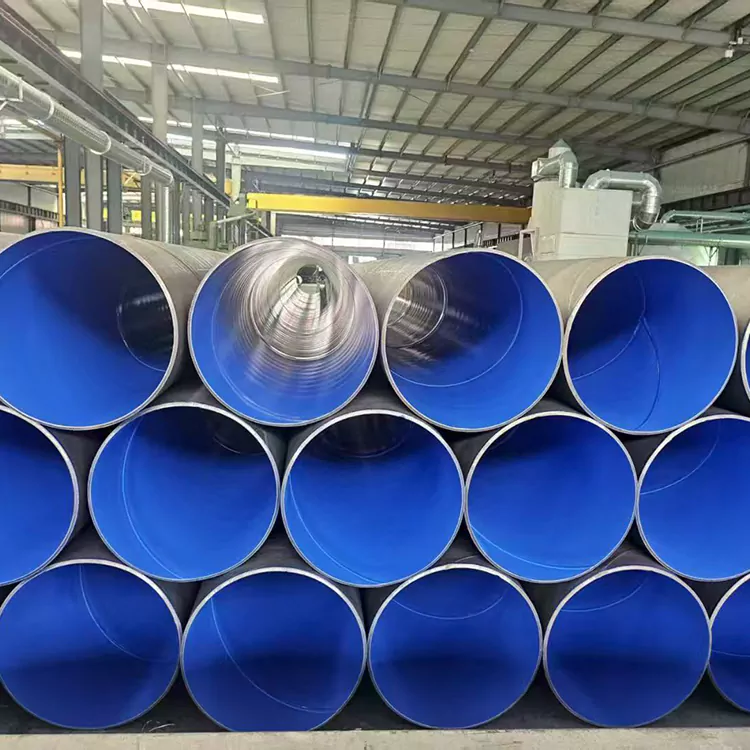
In my experience, buyers return to Steel Plates And Coils for one reason above all others: they offer a rare balance of strength, processability, availability, and cost discipline. Whether I am looking at industrial buildings, bridge components, machine housings, pressure-related equipment, storage systems, renewable energy structures, or transport applications, this category remains one of the most flexible material solutions in the market.

The value is not only in the steel itself. It is also in the way it can be processed. Plates can be cut, welded, drilled, bent, and assembled for demanding structural work. Coils can be slit, leveled, cut-to-length, and fed into efficient manufacturing lines with lower waste and better continuity. That flexibility matters because modern projects are under pressure from every angle: deadlines are tighter, engineering standards are stricter, and procurement teams are expected to control cost without sacrificing consistency.

This is exactly where Tianjin Juming Steel Pipe Co., Ltd. becomes relevant in a buyer’s evaluation process. A capable supplier is not just shipping material. A capable supplier helps match the right product form to the right industrial use, while keeping an eye on customization, manufacturability, and commercial efficiency.

Practical takeaway: buyers are not simply purchasing metal sheets. They are purchasing reliability in fabrication, performance in service, and predictability across the supply chain.

What problems do buyers usually face?

Let me be honest: many procurement headaches have nothing to do with whether steel is needed. They begin after a buyer has already decided to buy. That is when the real problems show up.

  • Unclear grade selection — A buyer knows the application, but not the most suitable strength level, corrosion resistance, or processing performance.
  • Inconsistent thickness tolerance — Material that looks acceptable on paper can cause trouble during cutting, welding, or forming.
  • Surface defects — Scratches, scale, waviness, edge damage, or uneven finish can affect both function and appearance.
  • Waste and low yield — Poor format selection leads to excessive scrap, especially when coils or cut-to-length options would have worked better.
  • Delivery uncertainty — A missed schedule can delay fabrication, assembly, and customer delivery downstream.
  • Weak communication — Some suppliers quote quickly but do not clarify standards, tolerances, packaging, or inspection details.

These issues are exactly why choosing Steel Plates And Coils is only the first step. The second step is making sure the order is technically aligned with the actual project. That means buyers need more than a list of available sizes. They need a supplier that understands how steel behaves in real production environments.

Buyer Concern What Often Goes Wrong What a Better Purchasing Approach Looks Like
Wrong material form Plates are ordered when coils would reduce waste and improve processing speed Compare fabrication method, line setup, and cut-to-length requirements before ordering
Unclear grade requirements Steel is selected on price alone without considering load, forming, or corrosion exposure Match application, environment, and fabrication process to the grade
Unexpected quality issues Inspection criteria are not confirmed before production and shipment Set clear expectations for certificates, tolerances, and visual quality
High manufacturing loss Material size is not optimized for downstream cutting patterns Discuss custom dimensions or coil processing options in advance
Project delays Lead time and logistics details remain vague until too late Confirm production window, packing method, and shipping schedule early

How should I choose the right specification?

When I help evaluate Steel Plates And Coils, I never begin with price. I begin with the end use. That is the only sensible way to narrow down the correct specification. A plate or coil that performs well in one industry may be inefficient or unsuitable in another.

Here are the core factors I would review before placing an order:

  • Application scenario — Is the steel intended for structural support, fabricated components, pressure-related use, transportation equipment, or general manufacturing?
  • Thickness and width — These affect weight, forming behavior, welding performance, and production compatibility.
  • Mechanical expectations — Does the project require higher strength, toughness, or better resistance to wear and deformation?
  • Surface requirement — Is appearance critical, or is the focus mostly on industrial performance?
  • Processing method — Will the material be laser cut, flame cut, roll formed, bent, stamped, or welded?
  • Environment — Will the material face humidity, outdoor exposure, chemical contact, or other corrosion risks?
  • Quantity pattern — Do you need standard stock sizes, or would custom processing lower your total cost?

One of the biggest mistakes buyers make is treating specification as a paperwork task. It is not. It is a production decision. Once the material reaches the workshop, any mismatch becomes expensive. That is why experienced suppliers ask specific questions instead of sending a one-line quote.

For many buyers, working with Tianjin Juming Steel Pipe Co., Ltd. can be helpful because the discussion does not have to stop at “we need steel.” It can move toward “we need the right steel in the right form for this exact process.” That shift saves time, reduces rework, and supports better purchasing results.

When should I buy plates and when should I buy coils?

This is one of the most useful questions a buyer can ask, because the answer often changes the total economics of the order.

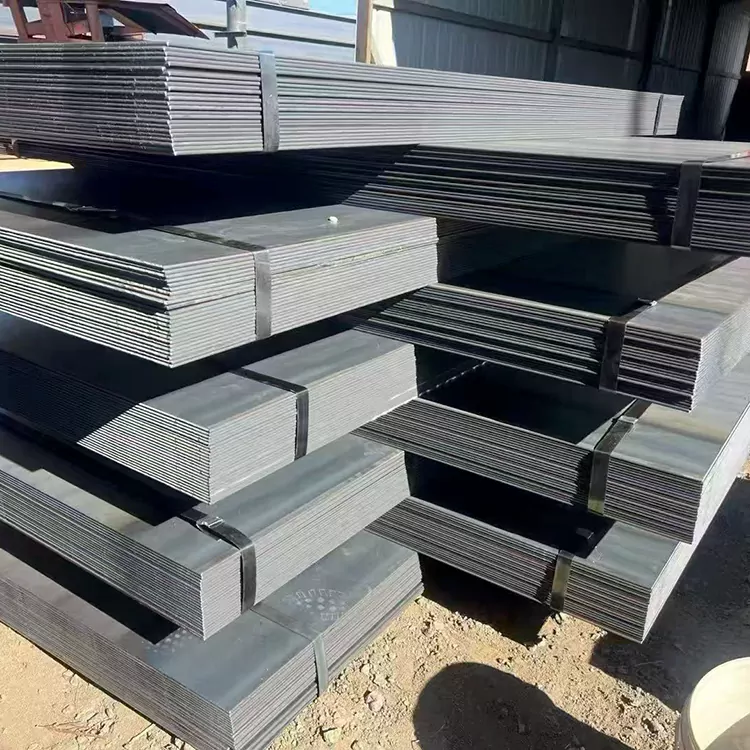
Steel plates are usually the better fit when I need heavier sections, ready-to-fabricate flat material, or applications where dimensional stability and direct handling matter more than continuous feeding. They are common in structural frameworks, heavy equipment, large fabricated parts, tanks, and base components.

Steel coils are often the smarter choice when I am dealing with high-volume manufacturing, repeated cutting patterns, or processing lines that benefit from continuous material flow. Coils can improve productivity, reduce storage inefficiency, and support cut-to-length flexibility.

Product Form Best For Main Advantage Possible Caution
Steel Plates Heavy fabrication, structural parts, machinery bases, thicker applications Strong dimensional presence and straightforward fabrication handling May create more waste if custom nesting is not planned well
Steel Coils Continuous manufacturing, cut-to-length supply, line-fed processing Better material utilization and higher production efficiency Requires suitable processing equipment and handling setup

If a buyer orders the wrong form, the impact is immediate. Material cost may look acceptable, but scrap rises, handling becomes slower, and the workshop ends up paying for a procurement shortcut. That is why the question is not which one is better in general. The question is which one is better for your actual manufacturing logic.

What quality details deserve the closest attention?

Not all quality issues are dramatic. Some are subtle enough to pass initial inspection but serious enough to create trouble later. When evaluating Steel Plates And Coils, I pay close attention to the details that affect downstream reliability.

  • Thickness consistency — Important for fit-up, forming accuracy, and stable welding results.
  • Flatness and shape control — Critical for fabrication efficiency and dimensional performance.
  • Surface condition — Matters for coating, appearance, and certain manufacturing processes.
  • Edge condition — Affects handling safety and later cutting or assembly quality.
  • Material traceability — Essential when projects require documented compliance.
  • Packing and loading — Often overlooked, but poor packing can damage otherwise good material before it arrives.

A buyer should also ask a practical question: will this supplier stay responsive after the purchase order is confirmed? Real quality support is not just about certificates. It is about whether the supplier remains accountable when technical details need clarification, when schedules change, or when a production team needs help reconfirming an order condition.

That is why I see value in suppliers who approach business as long-term cooperation instead of one-off transactions. For industrial buyers, consistency is often more valuable than a slightly cheaper offer that creates uncertainty later.

How can a reliable supplier reduce procurement pressure?

At this stage, a lot of buyers are no longer asking, “Can you supply the material?” They are asking, “Can you make this order easier to manage?” That is the real benchmark. A reliable supplier reduces procurement pressure in several ways.

  1. By clarifying requirements early — This avoids confusion between inquiry, quotation, and production.
  2. By offering suitable customization — Better dimensions and processing options reduce waste and improve use efficiency.
  3. By maintaining stable quality expectations — This protects production planning and customer commitments.
  4. By communicating lead time honestly — Clear schedules are more valuable than unrealistic promises.
  5. By understanding industrial applications — Good suppliers speak the language of use cases, not just inventory.

For many overseas buyers, this support is especially important. International sourcing comes with additional layers of risk: freight planning, packing integrity, shipment timing, technical confirmation, and cross-border communication. A supplier like Tianjin Juming Steel Pipe Co., Ltd. can add value when it treats these issues as part of the service rather than as the buyer’s problem.

That matters because successful procurement is not just about buying Steel Plates And Coils at a workable price. It is about keeping the entire purchasing cycle under control, from specification and production to shipment and final use.

Which questions come up most often before ordering?

FAQ

Can Steel Plates And Coils be customized for specific project requirements?

Yes. Buyers often request specific thicknesses, widths, lengths, or processing conditions to match fabrication needs more closely. Customization can reduce waste and improve workflow.

Are coils always more economical than plates?

Not always. Coils can improve efficiency in the right production setup, but plates may be more practical for heavy fabrication or lower-volume applications. The better option depends on how the material will be processed.

What should I confirm before requesting a quotation?

I would confirm the application, desired dimensions, quantity, grade expectations, surface needs, and any testing or documentation requirements. The clearer the brief, the more useful the quotation.

Why do some buyers experience high waste after purchase?

Usually because the material format was chosen without considering the downstream cutting plan or production line. This is a planning issue more than a steel issue.

How do I know whether a supplier is genuinely reliable?

Look for technical clarity, realistic lead times, responsive communication, consistent order handling, and a willingness to discuss application details rather than pushing a generic offer.

Can Steel Plates And Coils serve multiple industries?

Yes. They are widely used in construction, equipment manufacturing, energy-related structures, transport applications, industrial fabrication, and other sectors that need durable and workable metal materials.

How do smart buyers move forward with more confidence?

If I had to reduce this entire discussion to one idea, it would be this: buying Steel Plates And Coils should never feel like guessing. The best purchasing decisions come from matching product form, mechanical needs, surface expectations, and processing requirements from the very beginning. That is how buyers protect their budgets, their schedules, and their production outcomes.

For companies that need dependable material supply with practical communication and customization support, Tianjin Juming Steel Pipe Co., Ltd. is worth serious consideration. If you are comparing options for your next project and want material that fits the job instead of forcing the job to adapt, now is the right time to review your requirements carefully and take the next step.

Need a more suitable solution for your next order?

If you are sourcing Steel Plates And Coils for construction, fabrication, machinery, energy, or industrial manufacturing, contact us to discuss your specifications, quantity, and application goals. A clear conversation now can help you avoid costly mistakes later and move your project forward with greater confidence.

Related News
Leave me a message
X
We use cookies to offer you a better browsing experience, analyze site traffic and personalize content. By using this site, you agree to our use of cookies. Privacy Policy
Reject Accept