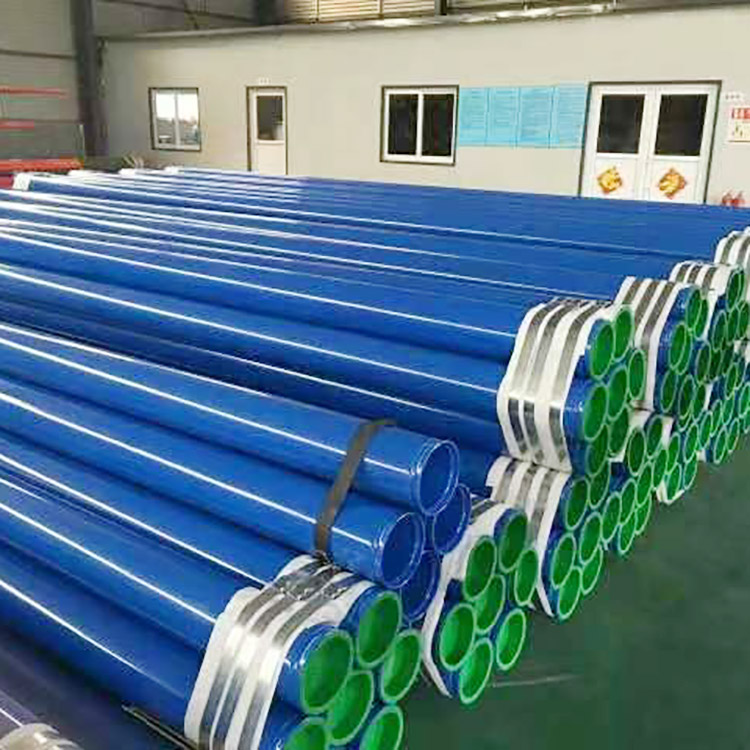
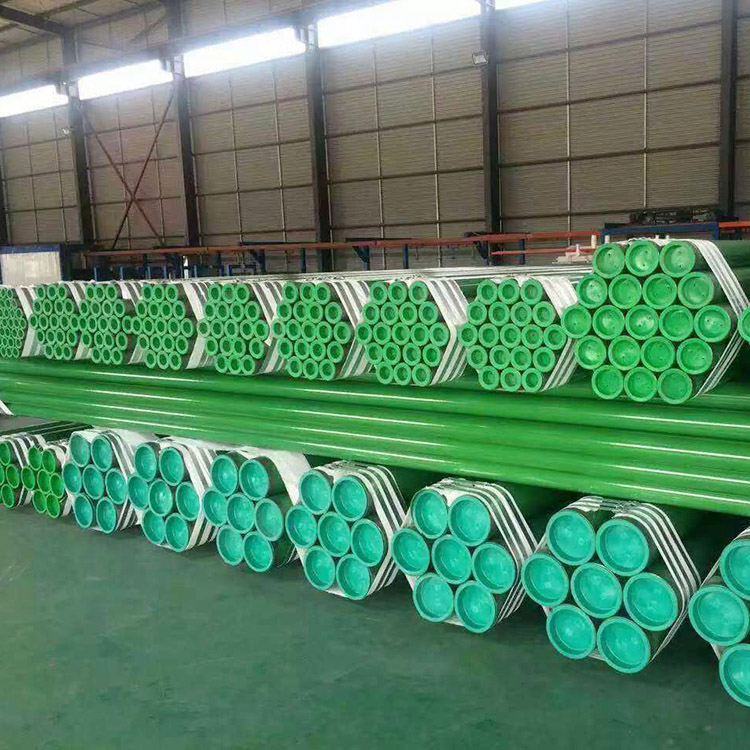
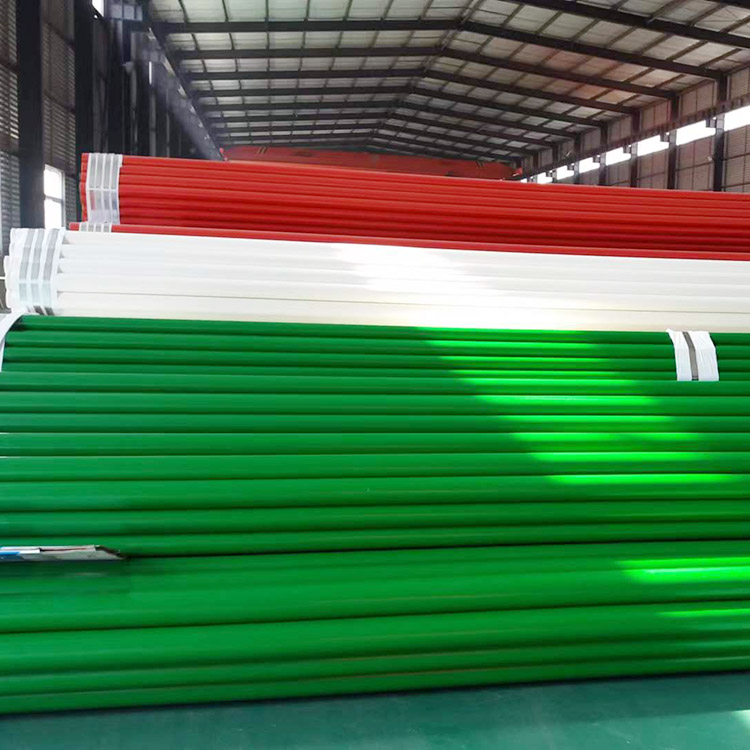
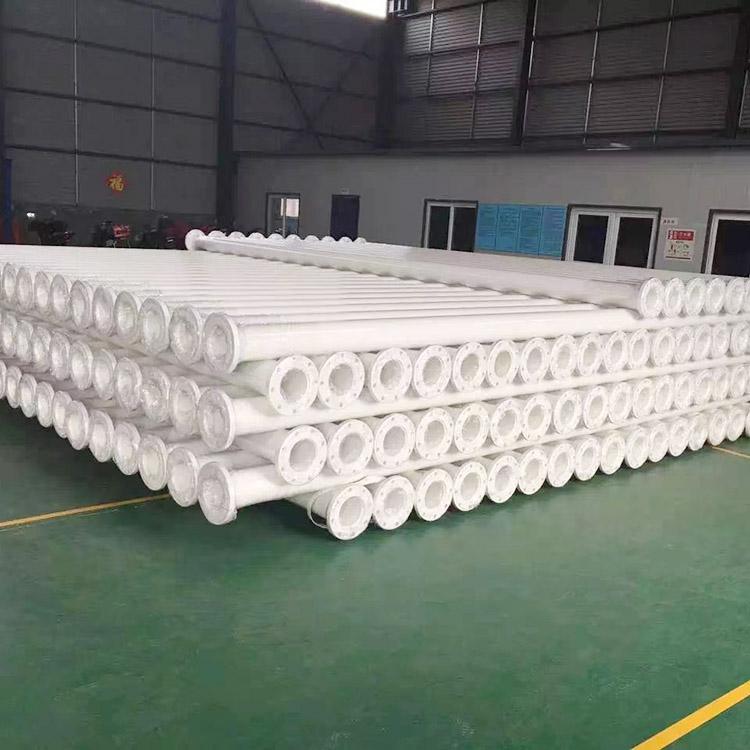
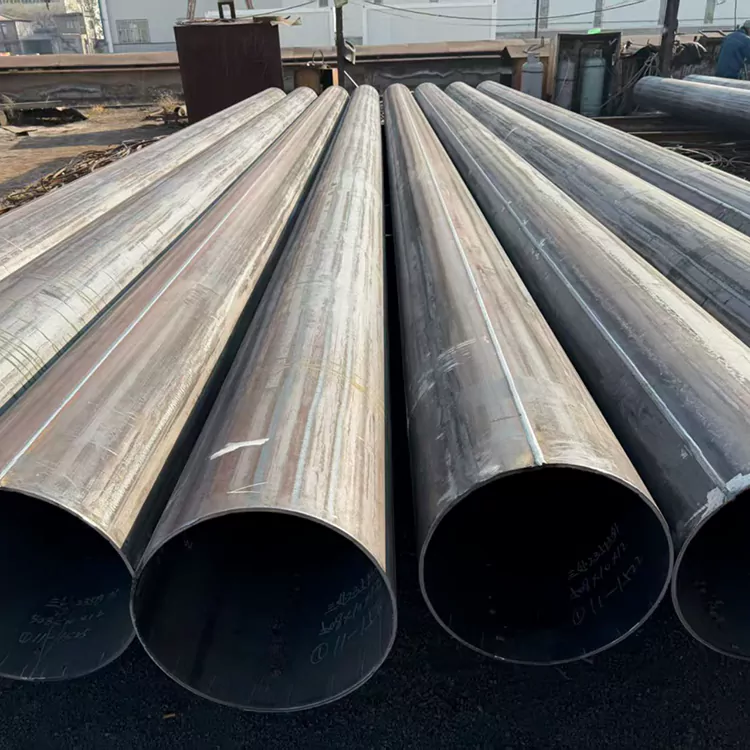
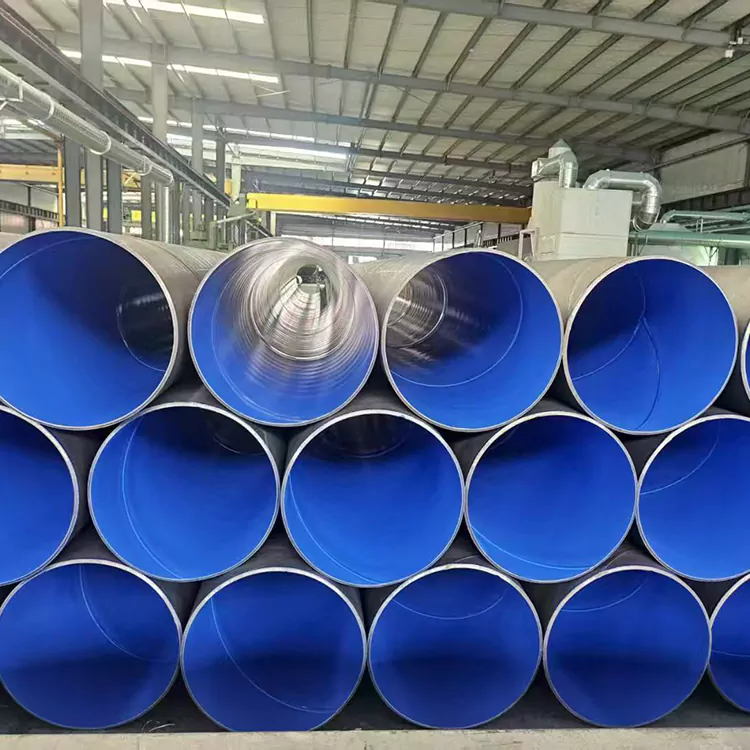
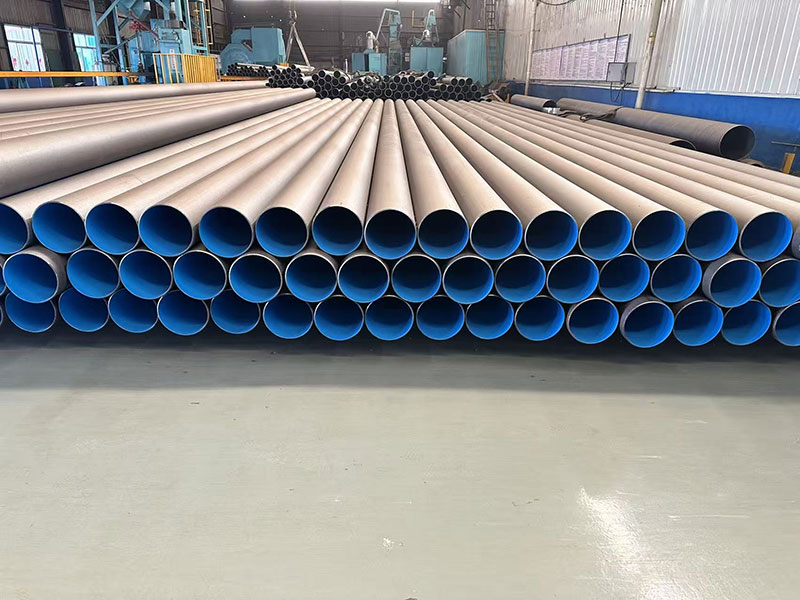
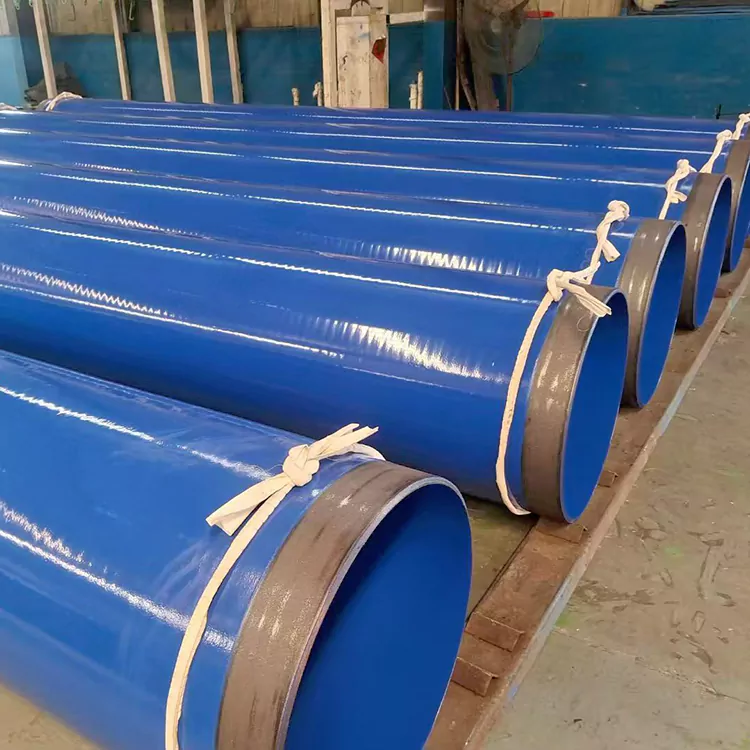
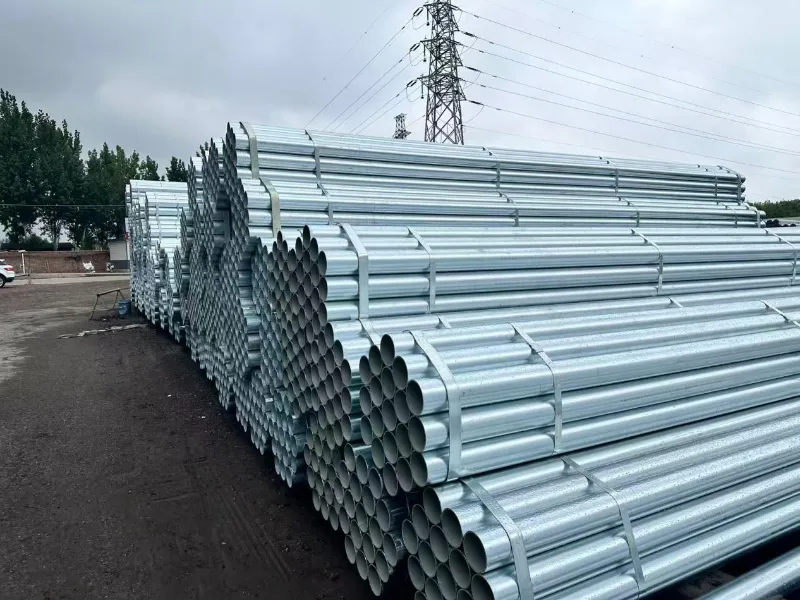
Many friends may be hearing about the term "plastic-coated steel pipe" for the first time, but it has already been widely applied in all aspects of our lives. Simply put, plastic-coated steel pipe can be understood as an "upgraded" version of metal steel pipe. Its base material is the commonly seen welded steel pipe or seamless steel pipe, and then a layer of plastic powder is fused and coated on its inner and outer surfaces through a special process. This plastic coating is like putting a dense, corrosion-resistant "protective suit" on the hard steel pipe. The plastic-coated steel pipe produced by Tianjin Juming Steel Pipe Co., Ltd. combines the strength of metal with the corrosion resistance of plastic, forming a new type of excellent pipe material.
Plastic-coated steel pipe is a new type of composite pipe material formed by combining a plastic coating with a metal steel pipe substrate. It combines the excellent mechanical properties of metal steel pipes with the stable corrosion resistance and hygienic characteristics of plastic materials. The core performance advantages of the pipe material are mainly achieved through the functional plastic coating attached to the inner and outer walls of the steel pipe.
The mainstream coating materials on the market are divided into two major categories: polyethylene (PE) and epoxy resin (EP). Different coating materials have their own focuses in terms of temperature resistance, medium resistance, and applicable scenarios: polyethylene coatings have outstanding flexibility and strong corrosion resistance to acids, alkalis, and salts; epoxy resin coatings have stronger adhesion, higher hardness, and excellent hygienic performance, making them more suitable for drinking water transportation.
The two types of products share prominent common advantages and possess six core characteristics:
Corrosion resistance is the most core and prominent advantage of plastic-coated steel pipes.
When ordinary galvanized steel pipes and black iron pipes are exposed to long-term water transmission, humid air, or acidic, alkaline, or salt-based media, the metal matrix is prone to electrochemical corrosion. This leads to the gradual rusting of the pipe wall and the formation of rust residue. At the same time, scale tends to adhere to the inner wall, which not only shortens the service life of the pipe material but also contaminates the transmission medium with rust and peeling impurities, resulting in issues such as water quality deterioration and pipeline blockage.
Coated steel pipes rely on a continuous and intact plastic isolation coating to completely separate the transmission medium from the steel pipe's metal matrix. This fundamentally prevents oxidation and corrosion reactions between the medium and the steel, eliminating scaling and rusting on the inner wall. The outer wall coating can resist the erosion of corrosive factors such as salt, alkali, and sulfides in soil, groundwater, and the atmosphere. Leveraging this characteristic, it is highly suitable for the transmission of corrosive fluids, as well as for harsh corrosive environments such as buried installations, coastal salt-affected areas, and wet underground utility tunnels.
The base material of plastic-coated steel pipes is seamless steel pipes or welded steel pipes, fully inheriting the excellent mechanical properties of steel. It possesses characteristics such as high compressive strength, impact resistance, bending resistance, and tensile strength, compensating for the shortcomings of pure plastic pipes, which lack rigidity and are prone to cracking and damage after being crushed by heavy objects or impacted by external forces.
In scenarios such as high-pressure transmission, direct burial, under-road crossings, and internal crossings within buildings, pipelines are prone to external forces like earth pressure, vehicle loads, and construction impacts. Coated steel pipes can stably withstand these loads, resisting deformation and cracking. This ensures higher stability and safety redundancy for pipeline operations, making them suitable for projects that demand high structural strength from pipelines.
The plastic coating on the inner wall of the pipe is dense and smooth, with a roughness significantly lower than that of ordinary steel pipes and newly galvanized steel pipes. The smooth and flat inner wall can significantly reduce the frictional resistance generated during fluid flow. Under the same flow conditions, the pressure loss in the pipeline is smaller, and the energy consumption of conveying equipment such as pumps and fans is reduced accordingly. Long-term continuous operation can achieve stable energy saving.
Meanwhile, the smooth and low-adhesion inner wall is difficult to adhere to scale, sediment, microbial mucous membranes, and various impurities, making it less likely to form stubborn deposition layers. This ensures long-term smooth pipeline operation, reduces the probability of pipeline blockage and secondary pollution, and guarantees the cleanliness of the transmission medium.
The plastic-coated steel pipe with food-grade epoxy resin coating is selected. The inner wall coating is chemically inert and stable, and the raw materials are non-toxic and odorless. Under normal temperature and conventional water conveyance conditions, it will not release heavy metals or harmful organic substances into the water body or other conveyance media, and it is not conducive to the attachment and growth of bacteria and microorganisms.
This type of pipe material meets the relevant national hygiene standards for drinking water distribution pipes, and is widely used in drinking water systems such as municipal tap water, community direct drinking water, and purified water supply. It is a safe and reliable choice for water supply pipelines.
Coated steel pipes adopt a dual anti-corrosion protection system consisting of an inner wall and an outer wall, with the inner and outer coatings collaboratively protecting the steel pipe substrate and isolating it from internal and external corrosion sources. Compared to traditional galvanized steel pipes and ordinary plastic pipes, their design service life is significantly improved. Under the premise of standardized construction and suitable working conditions, qualified coated steel pipes can achieve a stable service life of several decades.
A longer service life means a significant reduction in the frequency of pipe network renovation and pipe replacement, leading to lower investment in subsequent maintenance, repair, and emergency repairs. From a full lifecycle perspective, the comprehensive economic benefits are evident.
Coated steel pipes are compatible with the mature connection processes of traditional steel pipes, allowing for the selection of various methods such as clamp connection, flange connection, and threaded connection. Construction teams can quickly get started, and the installation process is standardized, making them suitable for most water supply and drainage, fire protection, and chemical pipeline projects. During the construction process, it is only necessary to ensure proper protection of the pipe orifice coating. Any coating damage caused by pipe cutting or collision should be promptly repaired with dedicated repair materials to ensure the sealing of the joint position. This ensures that the anti-corrosion layer of the entire pipeline remains continuous and intact, forming an uninterrupted anti-corrosion system and preventing the joint position from becoming a weak point in anti-corrosion.
Leveraging the aforementioned comprehensive characteristics, the plastic-coated steel pipes produced by Tianjin Juming Steel Pipe Co., Ltd. are highly versatile and suitable for a wide range of applications, including municipal water supply and drainage, fire water supply, chemical fluid transportation, power plant circulating water, underground utility tunnels, mining area pipe networks, seawater desalination, and various other projects that require corrosion resistance, pressure bearing capacity, and hygiene. They are high-quality composite pipes that serve as an excellent alternative to traditional galvanized pipes and ordinary plastic pipes.
In summary, plastic-coated steel pipe is a novel pipeline that combines the strength of metal pipes with the corrosion resistance of plastic pipes through advanced composite technology. It addresses the pain points of traditional steel pipes, such as susceptibility to corrosion and scaling, as well as the insufficient strength of pure plastic pipes. It is playing an increasingly important role in various fluid transportation and cable protection projects that require long-term reliable operation. Through today's analysis, I hope to provide you with a clearer and better understanding of this "combination of strength and flexibility" pipeline produced by Tianjin Juming Steel Pipe Co., Ltd.
Address:Pangzhuangzi Village, Daqiuzhuang Town, Jinghai District, Tianjin, China
Copyright © 2026 Tianjin Juming Steel Pipe Co., Ltd. All Rights Reserved. Sitemap| RSS| XML| Privacy Policy