When buyers start planning a greenhouse project, they often focus first on film, glass, ventilation, irrigation, or internal climate systems. That is understandable.
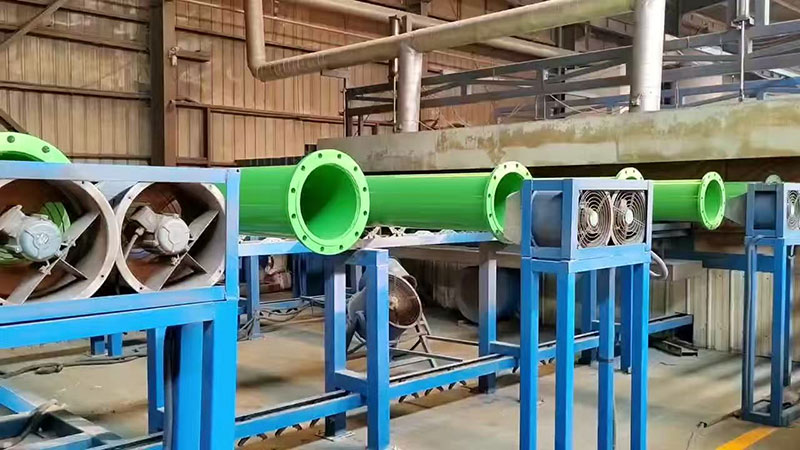
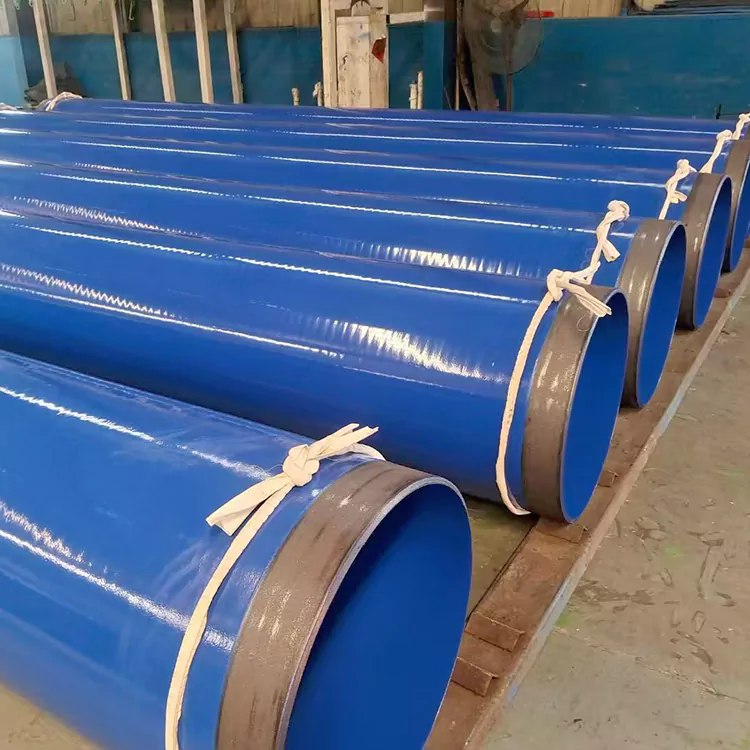
When pipelines fail, the visible damage is usually only the final stage of a much longer problem. Moisture, chemicals, salts, soil conditions, and installation damage can quietly attack unprotected steel for years before leaks, shutdowns, or replacement costs appear.
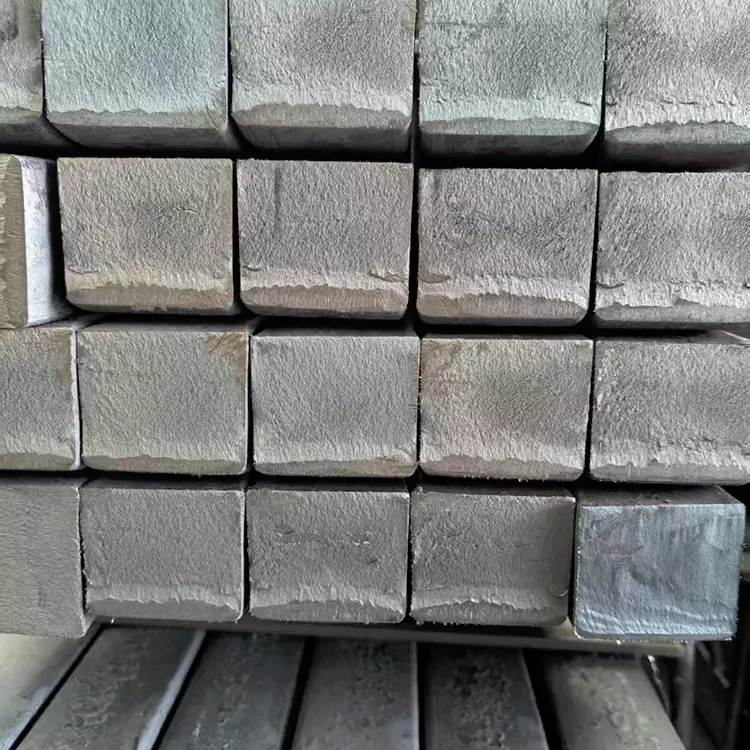
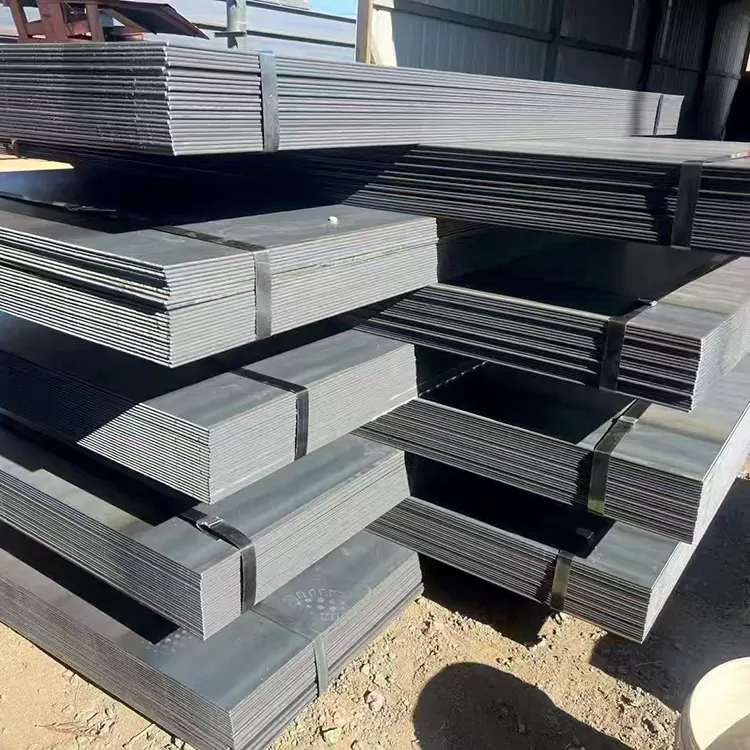
When buyers compare materials for structural fabrication, machinery, pressure-bearing components, or high-volume manufacturing, the real question is rarely just price. It is whether the material will arrive with the right grade, thickness tolerance, surface quality, formability, and delivery reliability.
Choosing the right structural material is rarely just a question of strength on paper. In real projects, delays, fabrication errors, inconsistent dimensions, corrosion exposure, and cost overruns often create far bigger problems than people expect at the quoting stage.
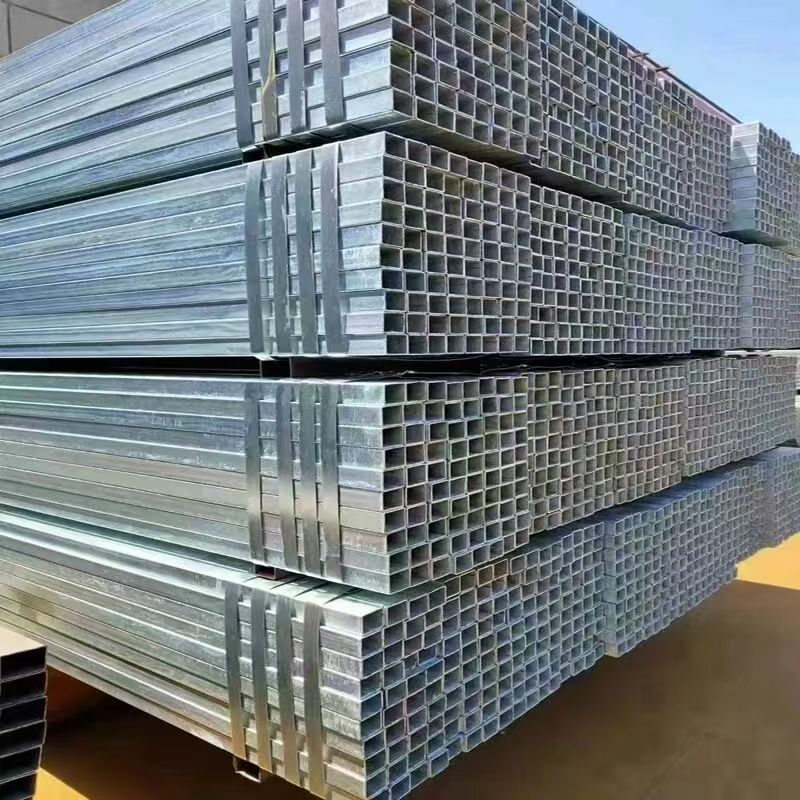
When buyers compare steel pipe options, they usually care about the same things: stable quality, realistic lead times, workable pricing, and the confidence that the material will actually match the job.
Solar PV mounting brackets are the backbone of every solar power installation. They hold solar panels securely in place while optimizing orientation and structural stability. This comprehensive guide explains the working principles, materials, installation types, advantages, and selection criteria of solar PV mounting brackets.
We use cookies to offer you a better browsing experience, analyze site traffic and personalize content. By using this site, you agree to our use of cookies.
Privacy Policy