News

Green Anti-corrosion: Pioneering the Future – Coated Steel Pipes Drive a New Era of High-quality Development in the Pipeline Industry

2026-07-06 0 Leave me a message

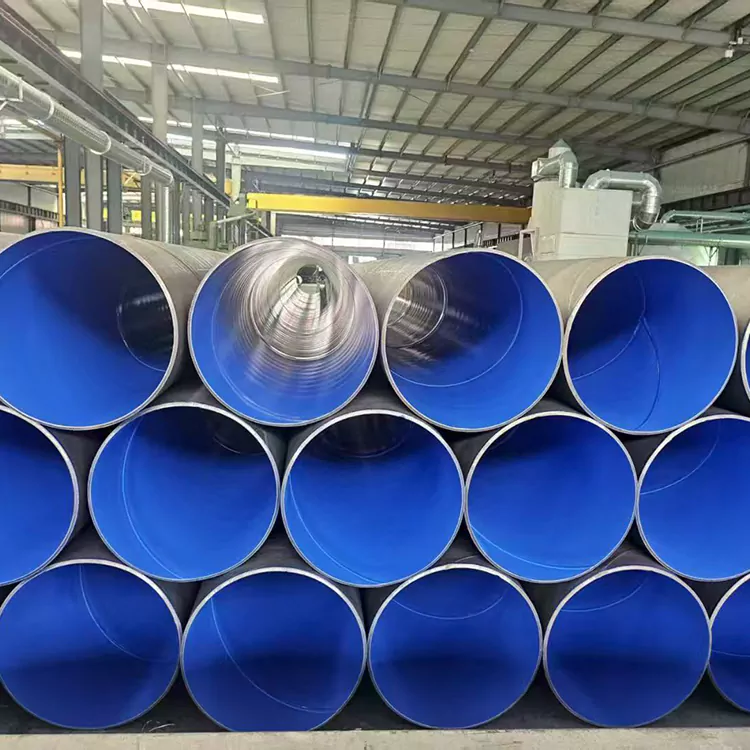
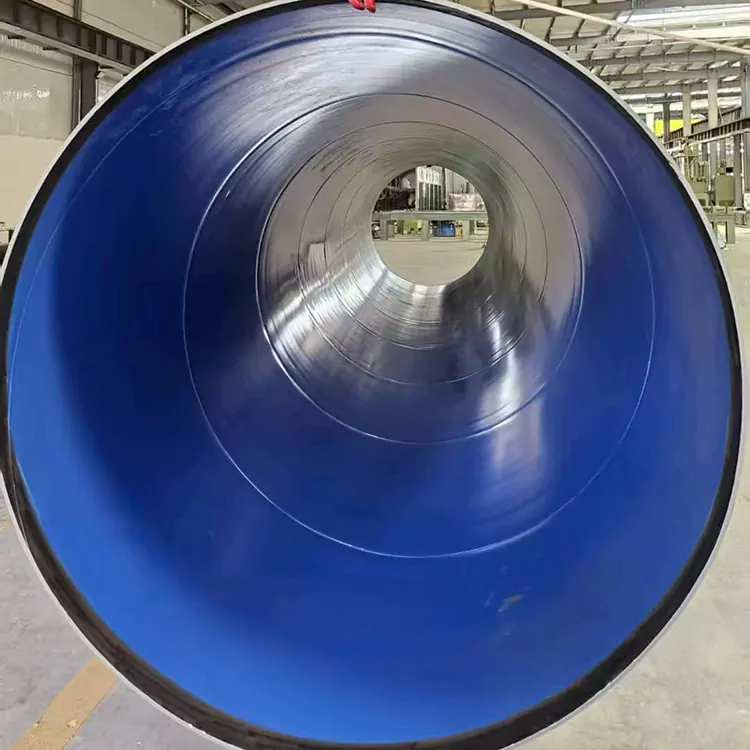
Driven by the ongoing implementation of China's dual-carbon strategy and the high-quality upgrade of infrastructure, coated steel pipes—combining the strength of steel with the corrosion resistance of plastic materials—are emerging as the preferred choice for pipeline upgrades in municipal, chemical, energy, and fire protection sectors, propelling the domestic pipeline industry into a new era of green, efficient, and durable development.

Market Boom: Surging demand propels the industry into a golden era of growth.

Since 2026, a series of national projects involving the renovation of aging pipeline networks, urban renewal, and smart water management initiatives have been implemented extensively, driving explosive growth in demand for coated steel pipes. Industry data shows that China's production of coated steel pipes exceeded 12 million tons in 2025, representing an 8.7% year-on-year increase. The municipal water supply and drainage sector accounted for 42% of total demand, making it the largest application market, followed by the chemical industry (21%) and fire protection applications (18%).

In key regions such as North China and East China, the proportion of coated steel pipes replacing traditional galvanized steel pipes and ordinary welded steel pipes has exceeded 45%. Particularly in applications like underground water supply, sewage discharge, and gas transmission, these pipes—thanksto their core advantages including a design life exceeding 50 years, resistance to acid and alkali corrosion, and smooth inner surfaces that prevent scaling—effectively address common issues with conventional pipelines such as susceptibility to rust, high leakage rates, and frequent maintenance needs, making them the preferred material choice for infrastructure piping systems.

Technological Innovation: Process Upgrades Empower a Leap in Product Performance

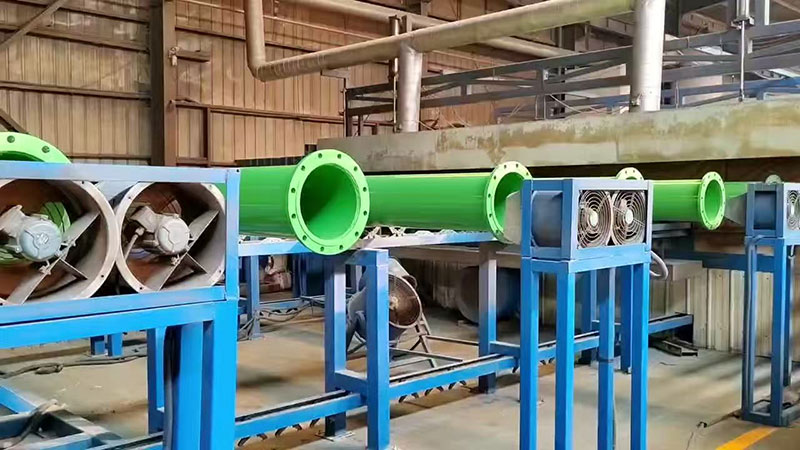
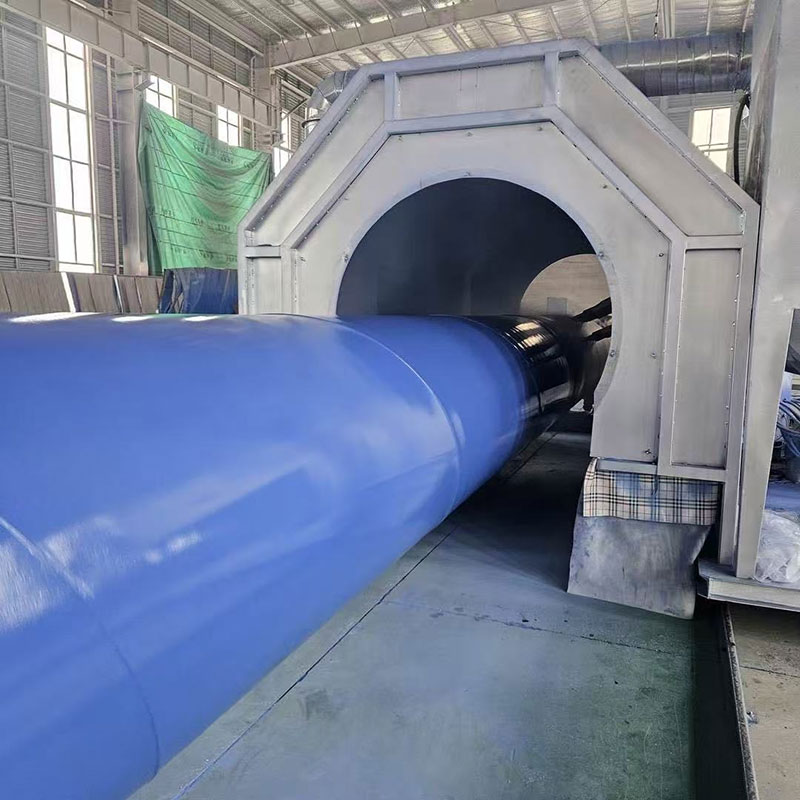
Currently, the coated steel pipe industry is undergoing a pivotal transformation from "scale expansion" to "technological specialization," with overall technological capabilities and production efficiency achieving significant leaps forward. Leading enterprises have widely adopted integrated smart production lines featuring "online pretreatment–dual-nozzle spraying–infrared curing," reducing the traditional 72-hour production cycle to just 45 minutes and increasing product qualification rates from 85% to 99.3%, thereby substantially enhancing industrial capacity optimization.

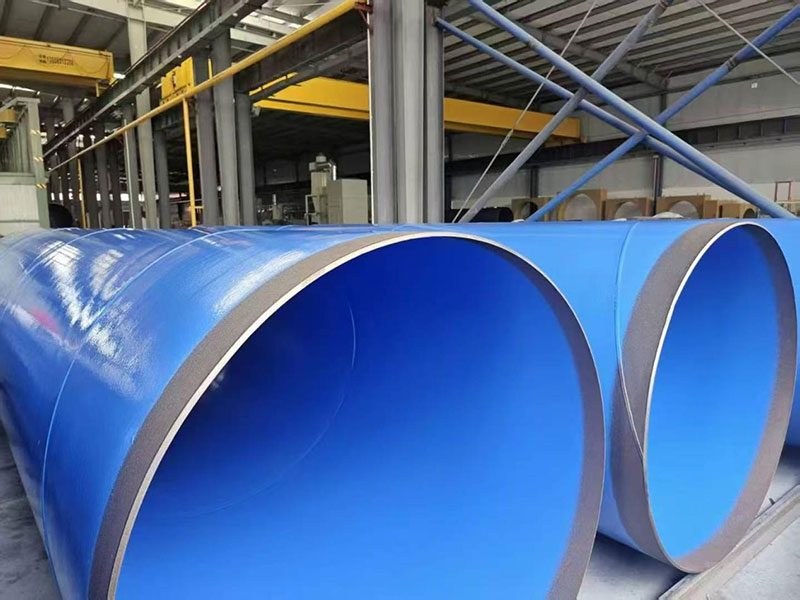
In terms of material innovation, environmentally friendly materials such as solvent-free epoxy, nanocomposites, and water-based coatings are progressively replacing traditional solvent-based coatings, reducing VOC emissions by over 60% and fully complying with green building material production and application standards. Regarding performance breakthroughs, the three-layer composite structure—featuring strong adhesion of the underlying epoxy powder layer, seamless bonding of the middle adhesive layer, and impact resistance of the outer polyethylene layer—enhances corrosion resistance to 3–5 times that of conventional steel pipes, with a maximum pressure capacity of up to 3.2 MPa, making it suitable for more complex operating conditions. In quality control, the industry has established a comprehensive system covering raw material inspection, process monitoring, finished product testing, and full-process traceability, with third-party inspection coverage reaching 92%, ensuring every pipe meets the latest national standards such as GB/T 28897-2025.

Application Expansion: Multiple Scenarios, Strengthening Infrastructure Security Measures

With its outstanding comprehensive performance, coated steel pipes have seen their applications continuously expand, becoming indispensable "vascular guardians" in infrastructure projects across various sectors and comprehensively enhancing the quality and efficiency of all types of engineering endeavors.

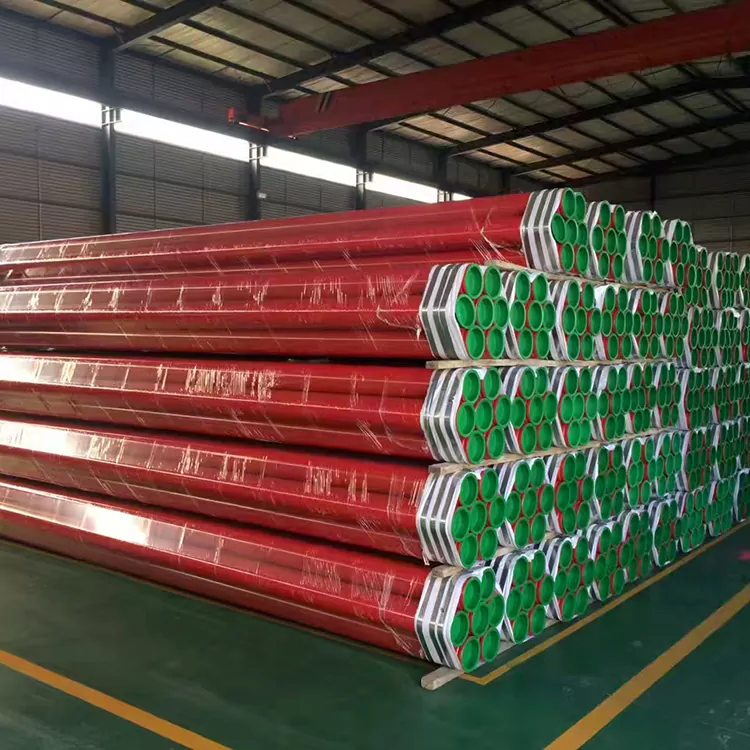
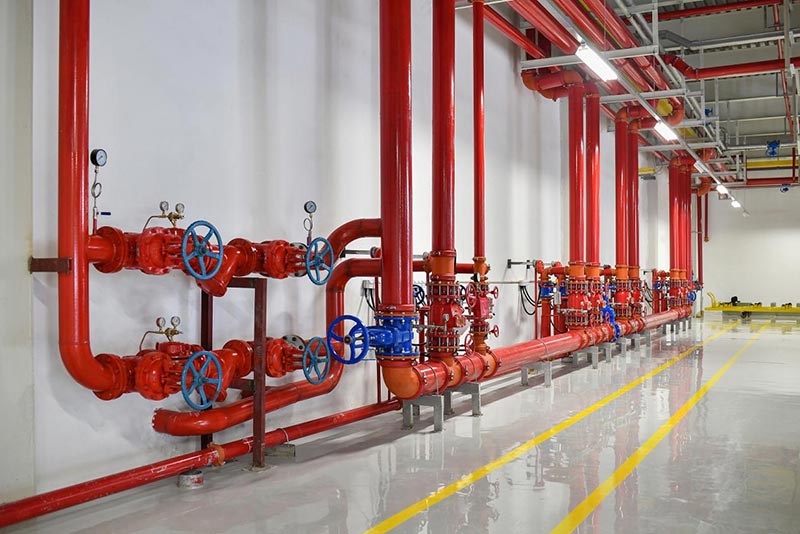
In municipal engineering, large-diameter coated steel pipes are the preferred material for urban water supply main networks and rainwater-sewage separation systems, effectively reducing pipeline leakage rates. In a certain economic zone in Qingdao, after replacing with coated steel pipes, the leakage rate dropped directly from 18% to 2.7%, significantly lowering operational and maintenance costs. For fire protection systems, epoxy resin-coatedsteel pipes exhibit high temperature resistance and high-pressure tolerance, complying with the GB 50974-2014 certification standard, thereby ensuring comprehensive safety and reliability of fire-fighting water supply. In the chemical and energy sectors, their highly corrosion-resistant coatings enable safe transportation of acidic/alkaline fluids and oil/gas media, with adoption rates exceeding 38% in natural gas branch lines and chemical process cooling water pipelines. For specialized applications, customized salt-resistant and wear-resistant coated pipes have been successfully deployed in projects such as Bohai Bay gas supply systems and deep-sea pipelines, demonstrating exceptional performance under extreme operating conditions.

Future Outlook: Green and Intelligent Development–Steady Progress for a Sustainable Industry

With the full implementation of new standards such as GB/T 28897-2025 "Coated Plastic Composite Steel Pipes for Water Supply," the coated steel pipe industry will accelerate the elimination of outdated production capacities and advance comprehensively toward standardization, environmental sustainability, and intelligent manufacturing.

In the future, new types of coated steel pipes featuring low-carbon recyclability, intelligent sensing capabilities, and extended service life will become the mainstream in the industry. Leading enterprises are accelerating their adoption of cutting-edge technologies such as water-based coating systems and digital twin factories to further enhance coating precision, reduce production energy consumption, and drive the green transformation of the sector. By the end of 2026, it is estimated that certified green building material coated steel pipes will account for over 50% of the market share. Meanwhile, in overseas infrastructure projects under the Belt and Road Initiative, China's coated steel pipes will continue to expand their international market presence and strengthen the global influence of China's pipeline manufacturing sector, leveraging their core advantages of high cost-effectiveness and superior quality.

From urban underground pipelines to industrial energy transmission, from essential public infrastructure projects to specialized construction initiatives, coated steel pipes are establishing a solid foundation for the high-qualitydevelopment of national infrastructure by delivering core advantages of green corrosion resistance, reliable performance, and energy efficiency, thereby ushering in a new chapter of transformation and upgrading for the pipeline industry.


Related News
Leave me a message
X
We use cookies to offer you a better browsing experience, analyze site traffic and personalize content. By using this site, you agree to our use of cookies.Privacy Policy
RejectAccept