News

What Are the Key Differences Between 3PE and FBE Anti-Corrosion Steel Pipes?

2026-07-29 0 Leave me a message

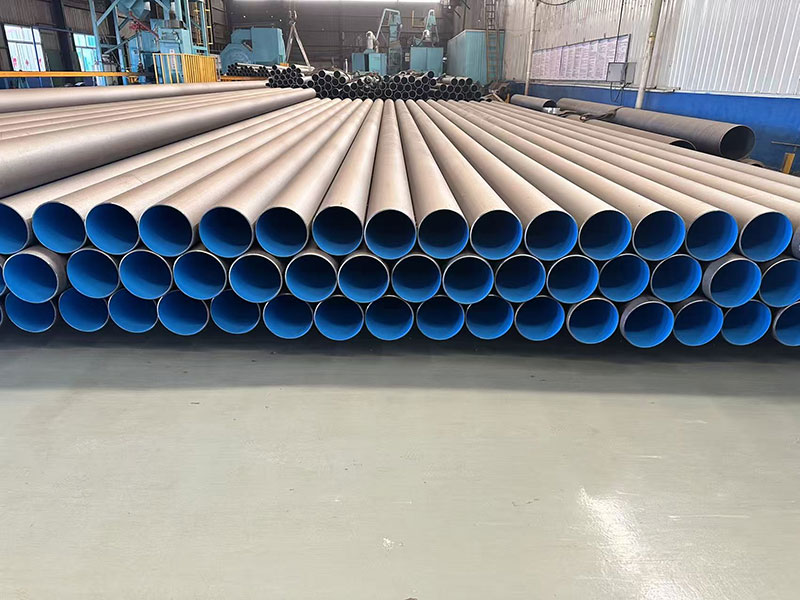
Tianjin Juming Steel Pipe Co., Ltd. provides Single Anti-Corrosion Steel Pipes solutions as industries compare 3PE and FBE coatings for long-term pipeline protection. Choosing the right anti-corrosion structure has become an important consideration in projects where steel pipes face moisture, chemicals, soil conditions, or outdoor exposure.

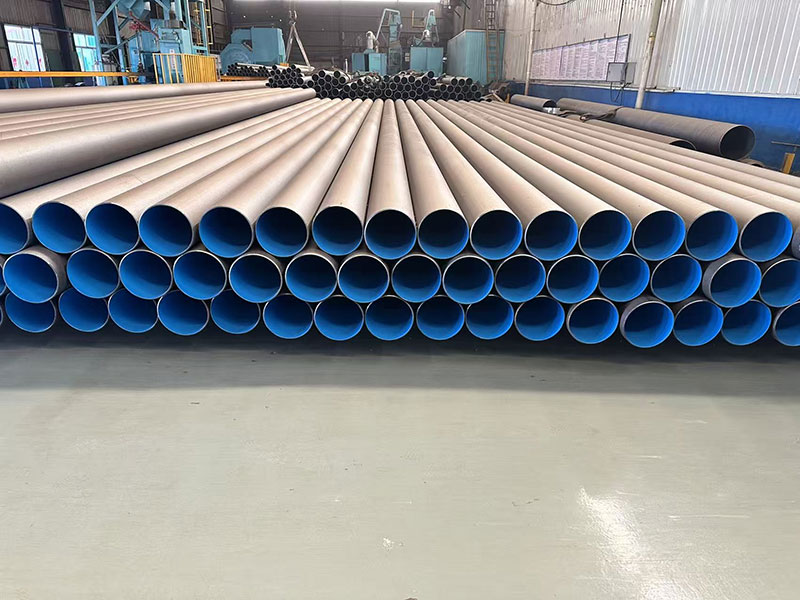
Single Anti-Corrosion Steel Pipes

Understanding Why Anti-Corrosion Coatings Matter

Steel pipes are widely used in oil and gas transportation, municipal pipelines, construction projects, water systems, and industrial facilities. However, steel naturally reacts with oxygen and moisture, which can gradually reduce pipe strength and service life.

Anti-corrosion coatings act as a protective barrier between the steel surface and the surrounding environment. Among the commonly used options, 3PE (three-layer polyethylene) and FBE (fusion bonded epoxy) coatings are two popular technologies, each designed for different working conditions.

For companies planning pipeline projects, the decision is not simply about choosing the thickest coating. Factors such as installation environment, temperature range, mechanical stress, and maintenance requirements all influence the final choice.

3PE and FBE Coatings: Different Structures, Different Advantages

Although both coatings aim to prevent corrosion, their structures are quite different.

FBE coating uses epoxy powder that is electrostatically sprayed onto the heated steel surface. After curing, it creates a strong protective layer with excellent adhesion. This makes FBE suitable for applications where chemical resistance and strong bonding performance are important.

3PE coating combines three protective layers: an epoxy powder layer, an adhesive layer, and an outer polyethylene layer. This multi-layer structure provides both corrosion resistance and physical protection, making it widely used in underground pipeline projects.

Comparison Between 3PE and FBE Anti-Corrosion Steel Pipes

Comparison Item 3PE Anti-Corrosion Steel Pipes FBE Anti-Corrosion Steel Pipes
Coating Structure Three-layer polyethylene system Single epoxy powder coating
Main Advantage Strong mechanical protection and durability Excellent adhesion and chemical resistance
Common Applications Underground oil, gas, and water pipelines Industrial pipelines and environments requiring strong bonding
Impact Resistance Higher resistance against external damage Good but generally lower than 3PE
Temperature Performance Suitable for normal and medium temperature conditions Better performance in some higher-temperature environments
Installation Conditions Ideal for buried pipelines Suitable for various industrial applications

How Should Projects Choose Between 3PE and FBE?

The right coating depends on where and how the pipeline will operate.

For underground pipelines, external pressure, soil movement, and transportation damage are common concerns. In these cases, 3PE coatings are often preferred because the polyethylene outer layer provides additional protection against scratches and impacts.

For industrial environments where chemical exposure is a major concern, FBE coatings offer reliable protection because the epoxy layer bonds tightly with the steel surface and helps resist corrosion caused by chemical substances.

Some projects may also consider Single Anti-Corrosion Steel Pipes with different coating requirements depending on regional climate, pipeline usage, and expected service life.

Common Application Scenarios

Industry Recommended Coating Considerations
Oil and Gas Transportation Focus on corrosion resistance, durability, and underground protection
Municipal Water Systems Consider long-term stability and environmental safety
Construction Projects Pay attention to installation conditions and external damage risks
Industrial Facilities Evaluate chemical exposure and operating temperatures
Bridge and Infrastructure Projects Consider weather resistance and maintenance requirements

Production Quality Plays an Important Role

Regardless of coating selection, the quality of steel pipe processing directly affects performance. Surface preparation, coating thickness control, inspection procedures, and production consistency all influence the final service life of anti-corrosion pipes.

Tianjin Juming Steel Pipe Co., Ltd. has been engaged in the steel industry since 2015, integrating steel trading, processing, and distribution services. The company works closely with domestic steel mills and operates its own production plant for steel product processing.

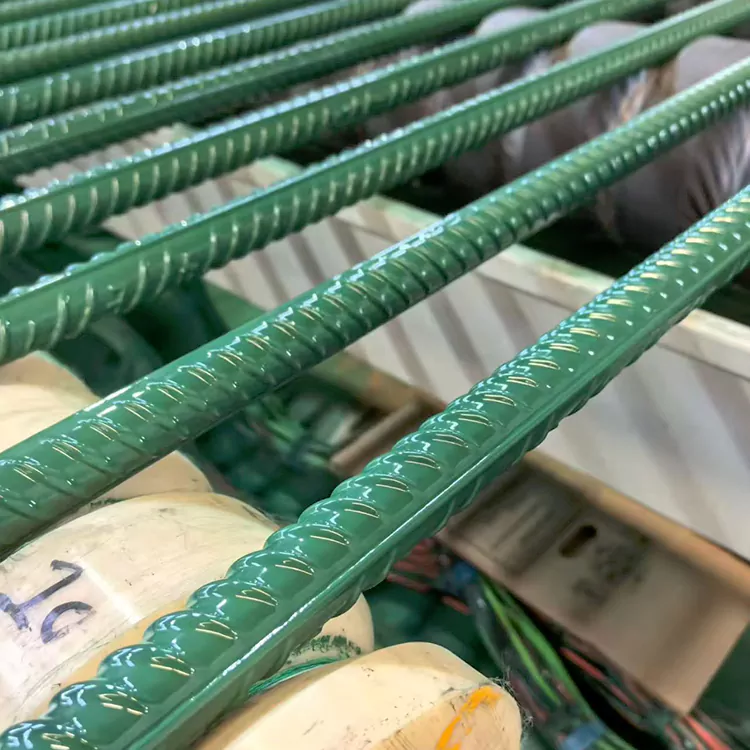
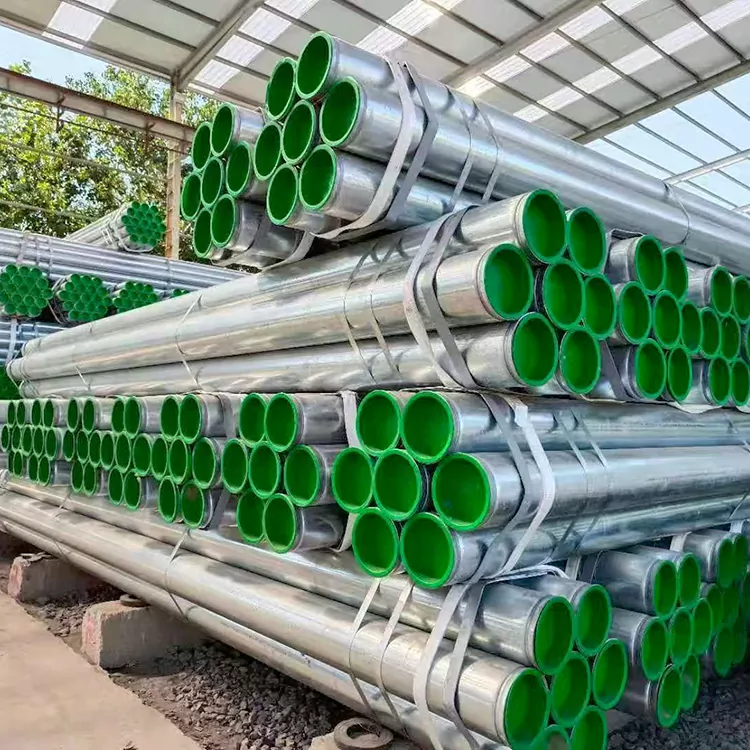
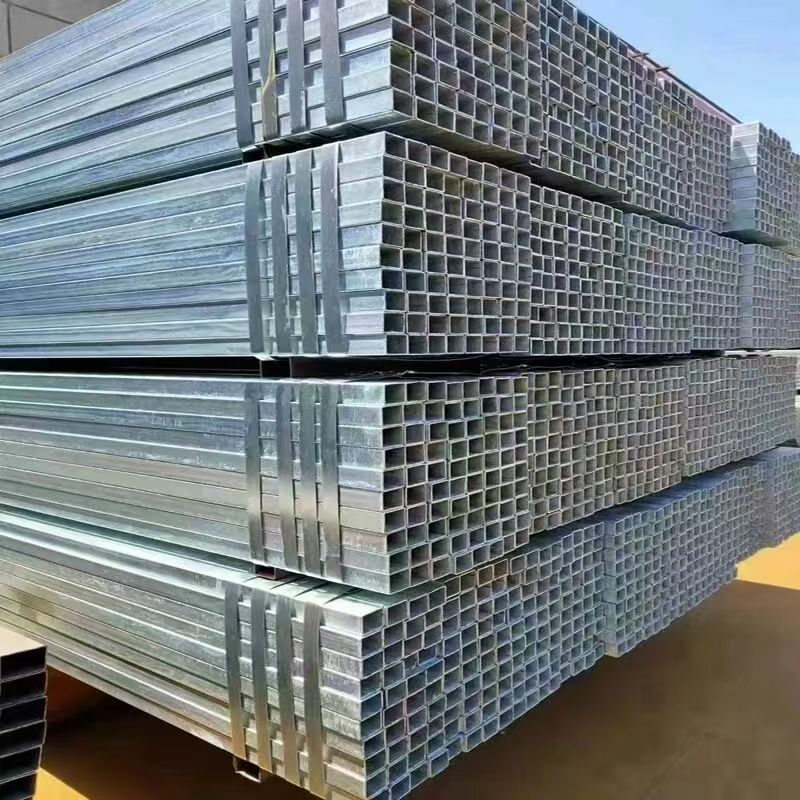
With professional engineers and production capabilities, the company supports various steel applications, including anti-corrosion steel pipes, galvanized steel pipes, steel sheet piles, rebar, structural steel, and photovoltaic brackets. Its production and service network covers industries such as construction, automotive, shipbuilding, energy transportation, and infrastructure development.

Trends in Anti-Corrosion Steel Pipe Applications

As infrastructure projects expand worldwide, the demand for longer-lasting pipeline systems continues to grow. Modern projects are paying more attention to reducing maintenance frequency, improving safety, and extending service cycles.

New coating technologies and improved processing methods are helping steel pipes perform better in challenging environments. At the same time, project teams are becoming more focused on matching coating solutions with actual working conditions rather than selecting products based only on initial cost.

The future development of Single Anti-Corrosion Steel Pipes will continue to focus on balanced performance, including corrosion protection, mechanical strength, installation convenience, and long-term reliability.

Conclusion

3PE and FBE coatings both provide effective corrosion protection, but their advantages are suited to different application environments. 3PE focuses on comprehensive protection and external durability, while FBE emphasizes strong adhesion and chemical resistance. Understanding these differences helps industries make more practical decisions for pipeline projects. Tianjin Juming Steel Pipe Co., Ltd. continues to provide professional steel solutions, including Single Anti-Corrosion Steel Pipes, supporting reliable applications across global construction, transportation, and infrastructure industries.

Related News
Leave me a message
X
We use cookies to offer you a better browsing experience, analyze site traffic and personalize content. By using this site, you agree to our use of cookies.Privacy Policy
RejectAccept