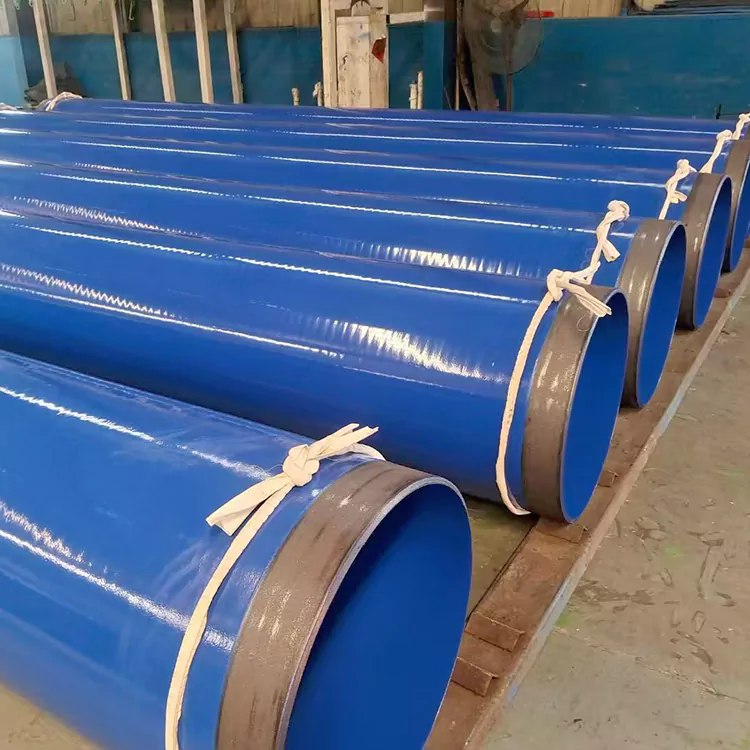
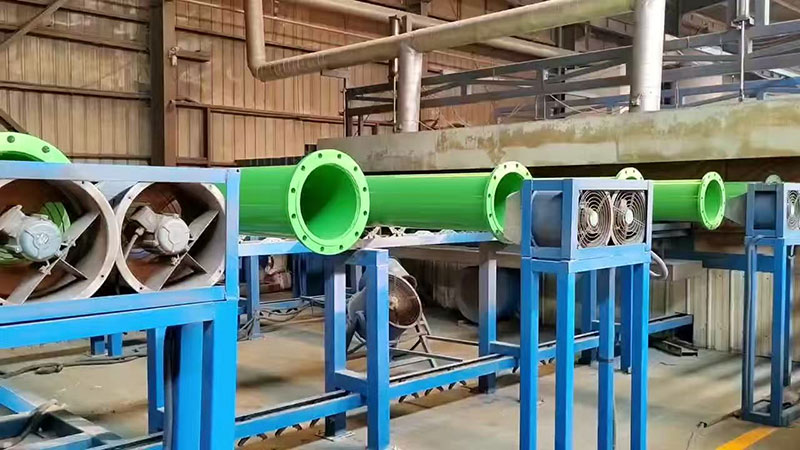
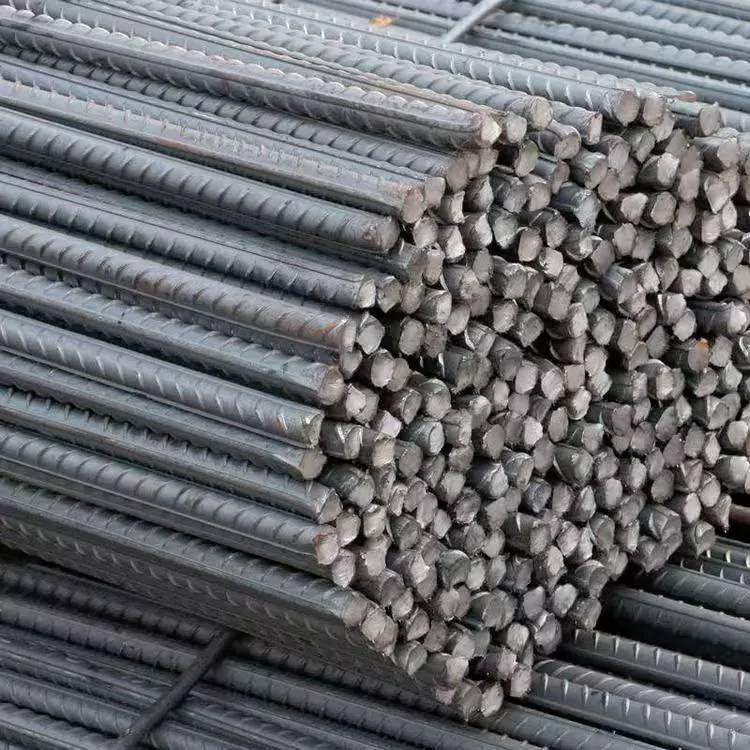
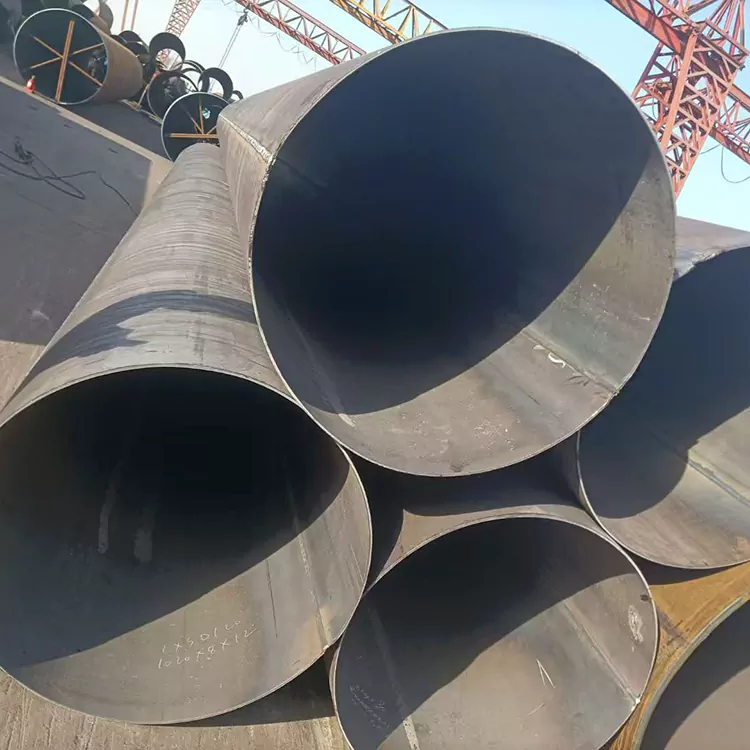
When buyers start planning a greenhouse project, they often focus first on film, glass, ventilation, irrigation, or internal climate systems. That is understandable. Those elements are visible, easy to compare, and closely tied to crop performance. But in many real projects, the structure itself becomes the source of the biggest hidden costs. Pipes that look acceptable at the time of purchase may later create installation trouble, weak load-bearing capacity, corrosion, distortion, or repeated maintenance pressure.
This is exactly why Tianjin Juming Steel Pipe Co., Ltd. pays close attention to practical greenhouse pipe selection rather than treating pipes as generic steel components. The right greenhouse structure should do more than simply hold up a frame. It should help growers, contractors, distributors, and project owners reduce risk, control lifecycle cost, and move a project forward with confidence.
In this article, I will walk through the questions buyers usually care about but do not always ask early enough: what kind of pipe is suitable for greenhouse use, why galvanizing matters, how to judge stability, what affects service life, and how to avoid buying on price alone.
Article Summary
Greenhouse Steel Pipes are not just supporting materials. They directly influence structural stability, corrosion resistance, service life, installation efficiency, and long-term operating cost. A poor pipe choice can result in rust, deformation, costly repairs, delayed construction, and avoidable replacement cycles. A good choice supports reliable greenhouse performance across different climates and project scales.
This article explains what buyers should really evaluate before ordering greenhouse pipes, compares common selection priorities, outlines frequent sourcing mistakes, and shows how dependable manufacturing support can make procurement easier and safer.
Table of Contents
Outline
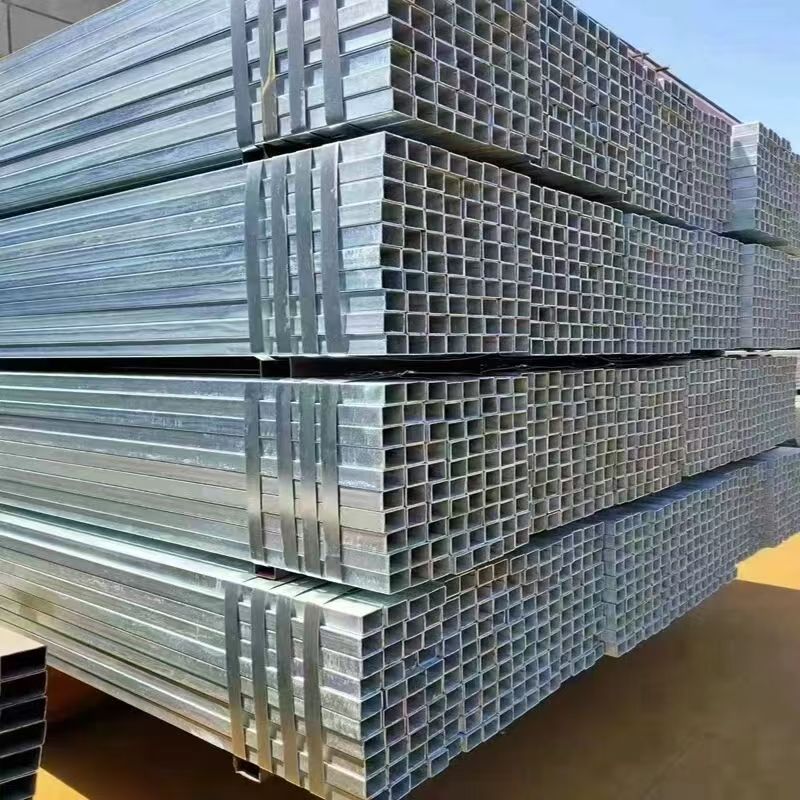
Many buyers assume that a pipe is a pipe. On paper, two products may seem similar because they share a diameter or a basic steel grade. In reality, greenhouse performance depends on much more than those simple specifications. Surface treatment quality, zinc coating consistency, wall thickness, dimensional accuracy, straightness, weld quality, and fit with greenhouse accessories all affect the final structure.
Greenhouses operate in a demanding environment. They face moisture, condensation, temperature swings, fertilizer residue, irrigation exposure, and in many regions, wind or snow loads. If the pipe selection is weak, the frame may begin to lose reliability long before the rest of the system reaches its expected service life.
This is why Greenhouse Steel Pipes deserve more attention at the decision stage. They do not just support the greenhouse physically. They support the buyer’s schedule, maintenance budget, structural safety, and reputation.
I have seen buyers become frustrated not because the initial order looked expensive, but because the “cheap” order became expensive afterward. The most common problems are rarely dramatic on day one. They show up gradually and then start multiplying.
Typical buyer pain points include:
Another overlooked issue is assembly efficiency. If pipes are not consistent, crews spend more time adjusting, aligning, re-cutting, or compensating for deviations. That extra labor is rarely included in the original material quote, yet it affects real project cost immediately.
For greenhouse investors, this matters a lot. A frame problem is never isolated. It can affect film tension, ventilation system alignment, water drainage, and even the operating rhythm of the whole site.
The smartest buyers do not start with “What is your lowest price?” They start with “What will protect my project best?” That shift in thinking usually leads to a much stronger purchasing decision.
| Evaluation Point | Why It Matters | What Buyers Should Ask |
|---|---|---|
| Corrosion resistance | Greenhouse environments are damp and chemically active over time | What galvanizing method is used, and how stable is the coating quality? |
| Dimensional accuracy | Better consistency improves installation speed and fit | How do you control diameter, thickness, and straightness tolerance? |
| Structural strength | The frame must remain reliable under regional weather conditions | Which specifications suit wind load, snow load, and span requirements? |
| Customization ability | Projects often require non-standard lengths or combinations | Can you support customized sizes, processing, or matching structural parts? |
| Supply stability | Delays in structural delivery can delay the entire greenhouse build | How do you manage production scheduling and delivery for bulk orders? |
| After-sales support | Technical response can save time when questions arise on site | Can your team assist with selection and practical application guidance? |
Buyers should also think about the full lifecycle of the structure. A pipe that lasts longer, installs faster, and reduces follow-up maintenance may create significantly better value than a lower-priced option that becomes troublesome after one or two growing seasons.
That is why I often recommend looking at Greenhouse Steel Pipes from a lifecycle perspective rather than a unit-price perspective.
Supplier comparison gets messy when every company says it offers quality, service, and competitive pricing. The better way to compare is to focus on what actually affects project certainty.
Tianjin Juming Steel Pipe Co., Ltd. becomes relevant in this kind of evaluation because buyers are not only sourcing pipe material. They are looking for smoother procurement, fewer structural surprises, and a more dependable path from inquiry to delivery.
Not every greenhouse project has the same priorities. A small local planting structure and a commercial export-oriented agricultural project may both use steel pipes, but the decision logic behind the order is very different.
| Project Type | Main Concern | Pipe Selection Priority |
|---|---|---|
| Small farm greenhouse | Controlling upfront investment | Balanced cost and durability |
| Commercial growing facility | Long-term reliability and lower maintenance | Stable galvanized quality and stronger structural consistency |
| Distributor or wholesaler | Supply continuity and broad customer fit | Standardized quality, stock support, flexible specifications |
| Engineering contractor | Installation efficiency and project schedule | Accurate dimensions, dependable delivery, technical coordination |
| Harsh-climate greenhouse project | Weather resistance and structure safety | Higher-strength configuration and stronger anti-corrosion confidence |
This is why one-size-fits-all selling rarely works. Good supply support means understanding where the buyer is under pressure and matching the pipe recommendation to that reality.
The answer is simple but annoying: they optimize for the wrong number. Buyers often fixate on the initial price per ton or per piece, while the real cost of a greenhouse structure includes transportation coordination, installation efficiency, lifespan, maintenance frequency, and replacement risk.
Here are the most common mistakes:
A greenhouse is built for use, not for quotation comparison. Once buyers remember that, the conversation around Greenhouse Steel Pipes becomes much more practical and much less risky.
A dependable manufacturer does more than ship pipes. The real value appears in the parts buyers do not always see in a product photo: specification guidance, quality consistency, delivery coordination, and the ability to support repeat orders with confidence.
For many buyers, especially those managing multiple projects or serving downstream customers, consistency is everything. The first order matters, but the second and third orders matter even more. That is where manufacturing discipline becomes visible.
When working with Tianjin Juming Steel Pipe Co., Ltd., buyers are not simply looking at a catalog item. They are looking for a supplier that understands that greenhouse structures must balance durability, corrosion resistance, practical installation needs, and dependable delivery support.
In other words, good procurement is not about buying steel alone. It is about reducing uncertainty. And that is one of the strongest reasons serious buyers keep paying attention to well-made Greenhouse Steel Pipes.
What are greenhouse steel pipes mainly used for?
They are mainly used to build greenhouse frames and supporting structures. They help maintain shape, support covering materials, and provide the base strength needed for long-term greenhouse operation.
Why is galvanized treatment important for greenhouse pipes?
Greenhouses are exposed to moisture, condensation, and agricultural working conditions that can accelerate corrosion. Galvanized treatment helps protect the pipe surface and extend service life.
How do I choose the right greenhouse steel pipes for my project?
Start by reviewing project size, climate conditions, load requirements, expected service life, and installation method. Then compare suppliers based on quality consistency, customization capability, and delivery reliability rather than price alone.
Are lower-priced greenhouse pipes always a better deal?
Not necessarily. A lower quote may lead to faster corrosion, structural instability, or installation delays. Total project cost is often more important than the initial material price.
Can greenhouse steel pipes be customized?
Yes. Many greenhouse projects require specific diameters, wall thicknesses, lengths, or compatible structural components. Custom support is often important for commercial and engineering-focused projects.
If you are planning a greenhouse build, expanding an agricultural facility, or sourcing structural materials for distribution, now is the right time to choose pipes that support the project from day one to long-term use. Tianjin Juming Steel Pipe Co., Ltd. is ready to help you evaluate the right solution with greater clarity, stronger product confidence, and more dependable supply support.
Whether you need practical guidance on specifications, stable sourcing for repeat orders, or a trusted manufacturing partner for your next greenhouse structure, contact us and let us help you move your project forward with confidence.
Pangzhuangzi Village, Daqiuzhuang Town, Jinghai District, Tianjin, China
Copyright © 2026 Tianjin Juming Steel Pipe Co., Ltd. All Rights Reserved. Links| Sitemap| RSS| XML| Privacy Policy