News

Why Structural Steel Shapes Make or Break Project Performance?

2026-03-23 0 Leave me a message

Article Summary

Choosing the right structural material is rarely just a question of strength on paper. In real projects, delays, fabrication errors, inconsistent dimensions, corrosion exposure, and cost overruns often create far bigger problems than people expect at the quoting stage. This article explains how structural steel shapes help solve those issues when they are selected with the full project lifecycle in mind. It covers the most common buyer concerns, compares shape options in practical terms, outlines what matters before placing an order, and shows how the right supplier can reduce waste, speed up fabrication, and improve long-term reliability. Tianjin Juming Steel Pipe Co., Ltd. is included here as an example of a manufacturer serving customers who need consistent supply, shape variety, and processing support for structural applications.

Outline

  1. Common sourcing and performance pain points
  2. Practical explanation of structural steel shapes
  3. Use cases for channels, angles, I beams, H beams, T sections, and U sections
  4. Key buying criteria including loading, fabrication, corrosion risk, and delivery accuracy
  5. Pre-order checklist for reducing project mistakes
  6. Supplier value in processing, customization, and logistics
  7. Answers to frequently asked buyer questions

What Problems Do Buyers Face When Sourcing Structural Steel Shapes?

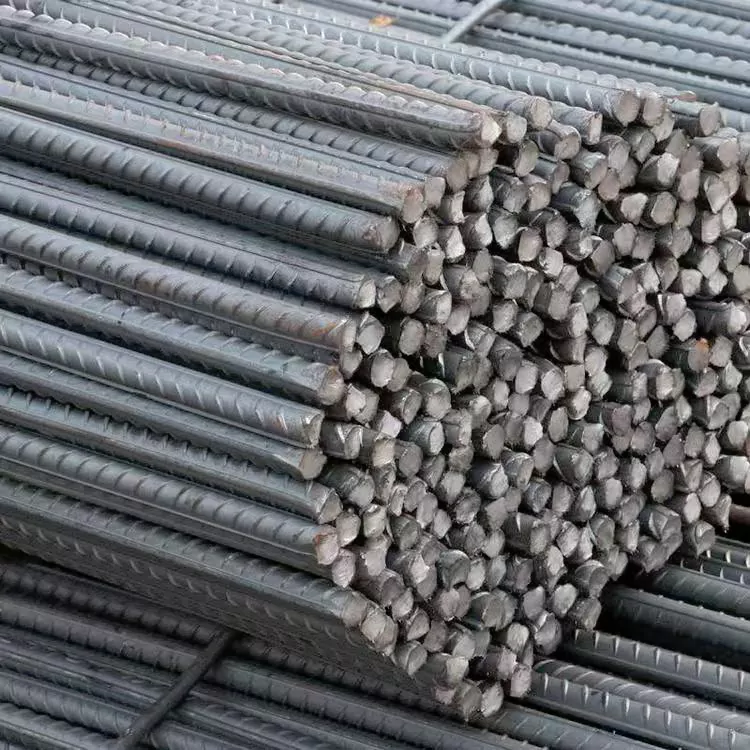
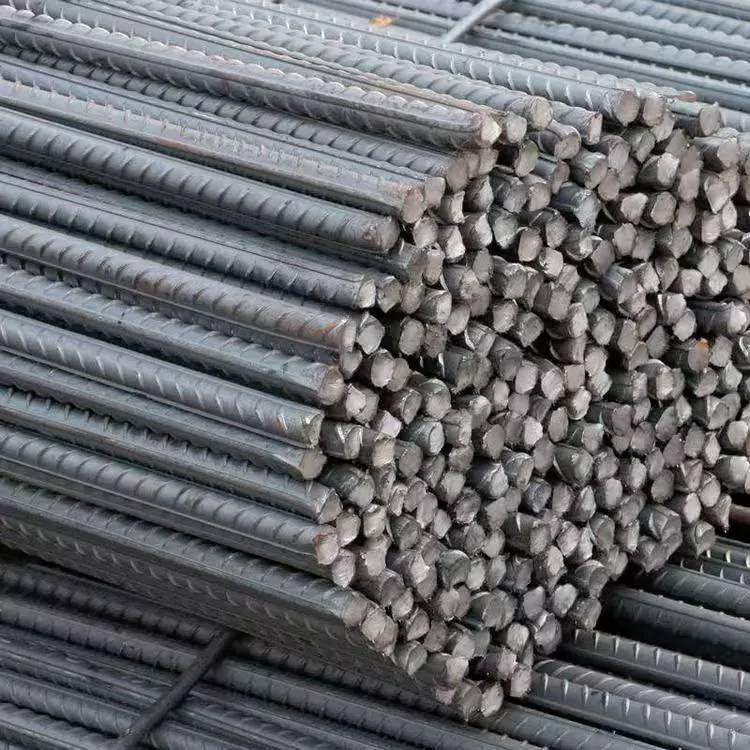
Structural Steel Shapes

Many buyers do not struggle because they cannot find steel. They struggle because they cannot find steel that arrives in the right form, with the right tolerances, at the right time, and with enough consistency to keep fabrication moving. On paper, one beam may look interchangeable with another. In practice, small differences in dimensions, straightness, coating quality, or processing readiness can create a chain of avoidable problems.

The most common frustrations usually look like this: the section is technically available, but not in the exact size required; the material can be delivered, but not with cutting or drilling completed; the price looks competitive, but hidden losses appear later in rework, welding adjustment, scrap, or installation delays. That is why smart procurement is not about chasing the cheapest tonnage. It is about reducing total project friction.

  • Unclear section selection that leads to overdesign or underperformance
  • Inconsistent dimensions that slow fabrication
  • Long lead times for customized lengths or surface treatment
  • Poor corrosion resistance in exposed or coastal environments
  • Weak communication between engineering, purchasing, and manufacturing teams
  • Extra labor cost caused by on-site modification

Structural steel shapes earn their value when they solve these pain points before they reach the jobsite. That is the real reason experienced buyers pay attention not only to grade and weight, but also to shape suitability, processing support, and supplier reliability.


What Are Structural Steel Shapes and Why Are They So Widely Used?

Structural steel shapes are formed sections designed to carry loads, support frames, improve stiffness, and make construction more efficient. Instead of using flat steel everywhere and building every component from scratch, engineers choose ready-made shapes that already offer the geometry needed for strength and connection efficiency.

These sections are widely used because they balance performance and practicality. A suitable shape can carry substantial loads while remaining easier to handle, cut, weld, bolt, galvanize, transport, and install than a less optimized alternative. That makes them indispensable across building frames, equipment supports, bridges, workshops, warehouses, marine structures, trailers, and industrial systems.

In supply terms, buyers often look for a range that includes channel steel, angle steel, I beams, H beams, T beams, and U-shaped sections, plus optional processing such as cutting, drilling, bending, welding, and protective surface treatment. When these services come from one source, the buying process becomes simpler and project coordination becomes cleaner.

Buyer Concern How Structural Steel Shapes Help
Load-bearing reliability Section geometry improves strength distribution and frame stability
Fabrication speed Standardized forms simplify cutting, welding, drilling, and assembly
Material efficiency The right section can reduce unnecessary weight and waste
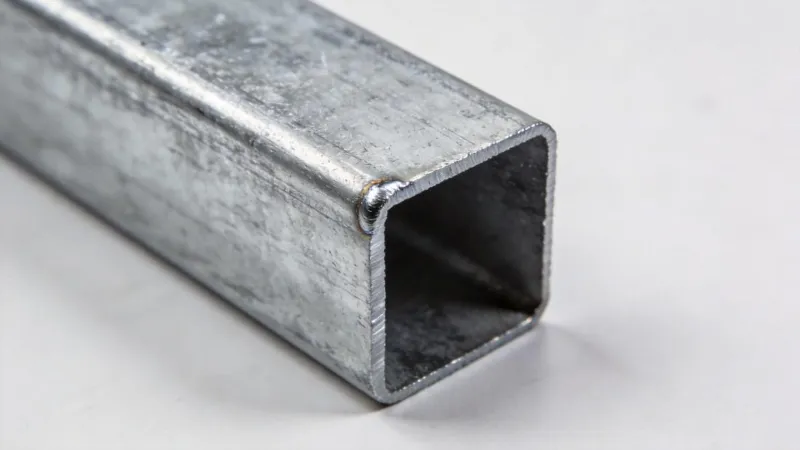
Long service life Hot-rolled, galvanized, or treated surfaces can improve durability
Project coordination One-stop supply can reduce procurement complexity and scheduling conflict

Which Structural Steel Shapes Fit Different Project Needs?

Not every project needs the same section, and choosing by habit instead of function is one of the fastest ways to lose money. The right approach is to match the shape to the real structural job it must do.

Shape Type Typical Strength Advantage Common Applications
H Beam High load capacity and excellent frame stability Buildings, industrial plants, large-span structures
I Beam Efficient bending resistance in many beam applications Floors, bridges, machinery supports
Channel Steel Good for framed assemblies and support members Purlins, trailer frames, racks, support systems
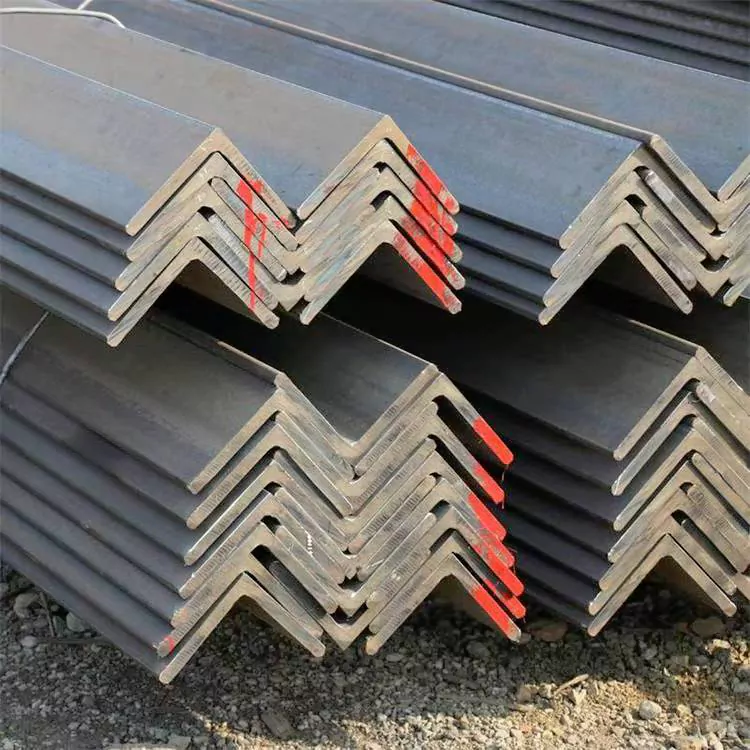
Angle Steel Versatile reinforcement and connection utility Bracing, towers, frames, edge reinforcement
T Section Useful in certain support and connection configurations Secondary framing, machine bases, custom fabrication
U Section Balanced form for support, guiding, and framing jobs Supports, rails, enclosures, light-to-medium structures

Buyers often ask which shape is “best,” but that question is incomplete. The better question is which shape gives the required strength, the easiest fabrication path, the safest installation result, and the lowest total waste. A warehouse frame, a marine support, and a transport chassis may all require different section choices even if the steel grade is similar.

This is where supplier communication matters. A capable supplier can do more than quote sizes. They can help align shape choice with application logic, whether the project involves building structures, bridge works, workshops, port facilities, transport equipment, or custom industrial framing.


How Should You Choose the Right Shape for Your Project?

A strong buying decision starts by thinking beyond section names. Do not begin with “I need a beam.” Begin with “What must this member do, what environment will it face, and how will it be fabricated and installed?” Once those questions are clear, shape selection becomes much easier.

  • Understand the load path. Is the section carrying vertical loads, lateral loads, local reinforcement, or connection support?
  • Review fabrication steps. Will the material be cut, drilled, bent, welded, or galvanized after forming?
  • Think about exposure conditions. Indoor dry use is different from marine, humid, or corrosive environments.
  • Check installation constraints. Oversized sections may complicate lifting, transport, or field assembly.
  • Balance strength with efficiency. Heavier is not always better if it adds cost without improving actual performance.
  • Plan around supply continuity. Consistent availability can matter as much as initial price.

For many buyers, the hidden cost is not material cost but mismatch cost. If a section is too light, the risk is obvious. If it is too heavy, the result can still be wasteful through extra transport weight, harder handling, and unnecessary steel consumption. The most practical solution is a shape that fits the design target closely and arrives ready for the next production step.

That is one reason companies with broader product coverage and customization support attract repeat customers. A supplier such as Tianjin Juming Steel Pipe Co., Ltd. is not only selling steel sections; it is supporting project flow, which is often what customers actually need most.


What Should You Check Before You Place an Order?

Procurement mistakes usually happen when buyers move too quickly from drawing review to price comparison. A careful pre-order checklist can prevent expensive misunderstandings.

Checkpoint Why It Matters
Section dimensions and tolerances Avoids fit-up problems and assembly delays
Steel grade and mechanical requirements Ensures the section meets structural expectations
Surface condition or coating request Improves performance in exposed environments
Cutting and fabrication details Reduces on-site labor and rework
Inspection and documentation needs Supports project approval and buyer confidence
Lead time and shipping plan Keeps fabrication and installation on schedule

One useful rule is simple: if your team will discuss the issue later, it should probably be clarified before the order is confirmed. That includes processing sequence, quantity tolerances, bundling logic, packaging, and destination conditions. The more demanding the project, the more important these details become.


Why Does Supplier Capability Matter So Much?

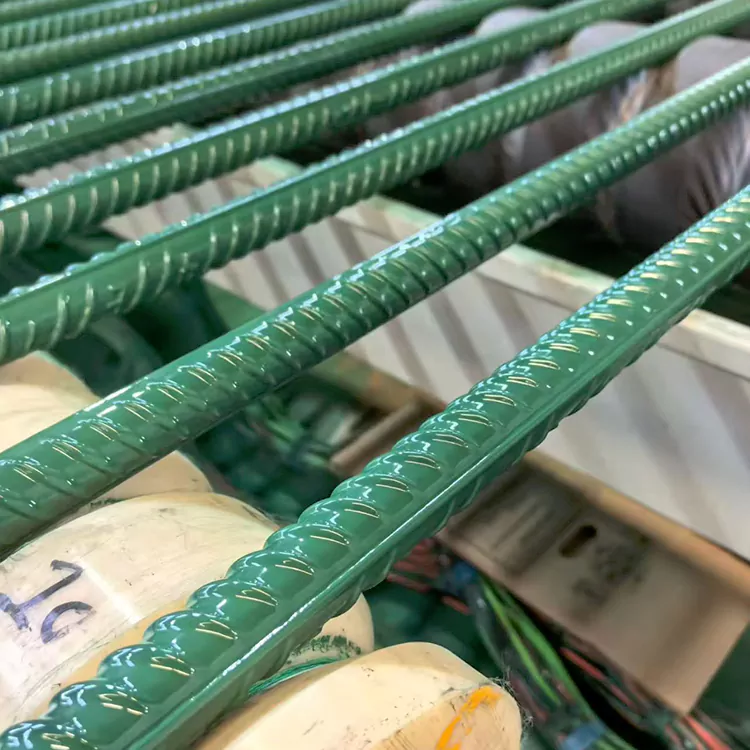
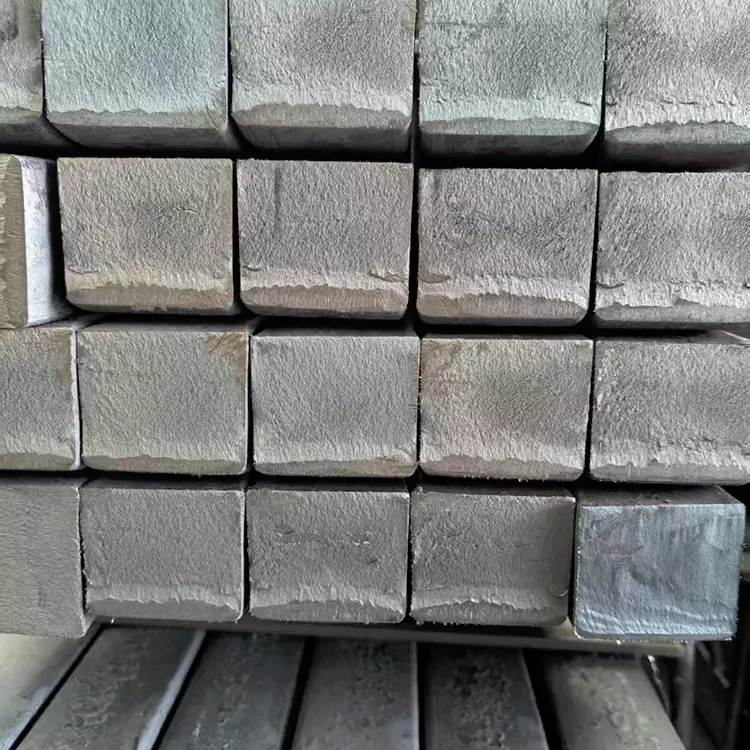
Structural Steel Shapes

A dependable supplier does more than deliver steel. They reduce uncertainty. That includes stable sourcing, production discipline, processing support, responsive communication, and the ability to handle both standard and customized requirements. For structural applications, these factors have direct influence on project speed and final quality.

Buyers often underestimate the benefit of working with a supplier that can provide multiple section types under one roof. When channels, angles, beams, and related processing can be coordinated through a single source, it becomes easier to standardize communication, shorten procurement cycles, and keep schedules realistic.

This is exactly why many customers prefer working with suppliers that can support cutting, blanking, drilling, bending, welding, galvanizing, or drawing-based customization instead of only shipping raw lengths. That service model does not just save time; it also reduces coordination errors between multiple vendors.

For buyers evaluating long-term cooperation, the supplier should be judged on consistency, responsiveness, technical understanding, and willingness to solve practical project issues. Price matters, of course, but value becomes much clearer when delivery accuracy and project continuity are also considered.


FAQ

1. Are structural steel shapes only used in large buildings?
No. They are used in everything from commercial buildings and industrial workshops to transport equipment, support frames, racks, marine structures, and custom fabrication projects.

2. What is the biggest mistake buyers make when selecting structural steel shapes?
The biggest mistake is choosing only by price or by habit. A section should be selected according to load requirements, fabrication method, environment, and delivery efficiency.

3. Do galvanized structural steel shapes always make sense?
Not always, but they are often a strong choice for outdoor, humid, or corrosive conditions where long-term surface protection matters.

4. Why are processing services important when buying structural steel shapes?
Because pre-cutting, drilling, bending, or welding can reduce site labor, shorten installation time, and lower the chance of fabrication errors.

5. Can one supplier provide different shapes for the same project?
Yes, and that is often preferable. It improves coordination, reduces communication gaps, and helps keep quality and lead time more consistent.

6. How do I know whether I need an H beam, I beam, channel, or angle?
Start with the application, not the product name. The required strength direction, support condition, connection type, and fabrication method should guide the choice.

7. What should I send when requesting a quotation?
Provide the section type, dimensions, grade, quantity, required length, surface treatment needs, processing details, destination, and desired delivery time. The more precise your request, the more accurate the quotation will be.


Final Thoughts

Structural performance is never decided by steel alone. It is decided by the match between shape, specification, fabrication, environment, and supplier execution. That is why Structural Steel Shapes remain such an important purchasing category for customers who care about durability, efficiency, and dependable project outcomes. The right section can improve safety, control cost, simplify assembly, and support long-term service with fewer surprises.

If you are comparing options for your next project and want practical guidance instead of vague promises, now is the right time to move the conversation forward.

Tianjin Juming Steel Pipe Co., Ltd. is ready to support your requirements for Structural Steel Shapes with product variety, tailored processing, and responsive service. Whether you need standard sections or project-based customization, contact us today to discuss your drawings, quantities, and delivery expectations.

Back to top

Related News
Leave me a message
X
We use cookies to offer you a better browsing experience, analyze site traffic and personalize content. By using this site, you agree to our use of cookies. Privacy Policy
Reject Accept