News

What Is Plastic Coated Steel Pipe and Why Is It Widely Used in Modern Infrastructure

2026-01-30 0 Leave me a message

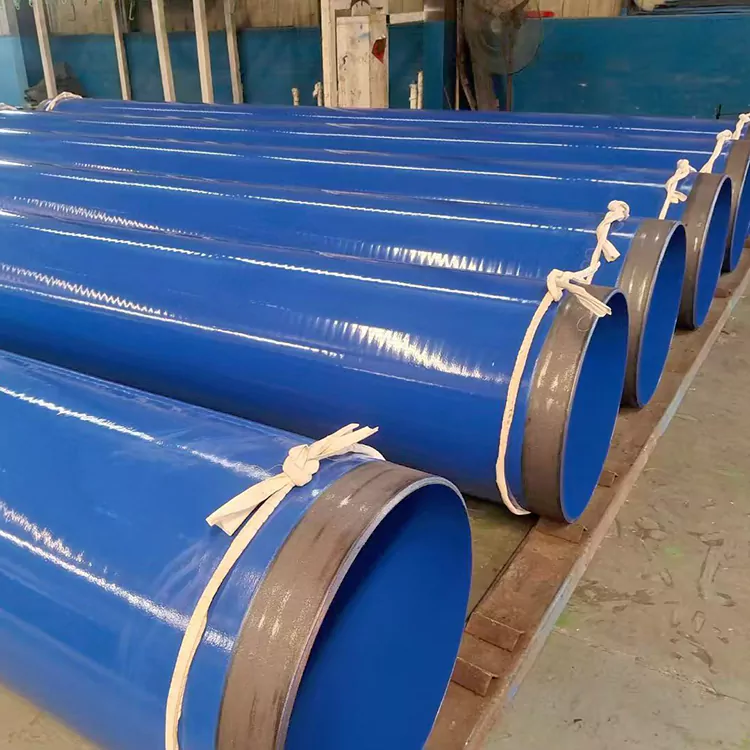
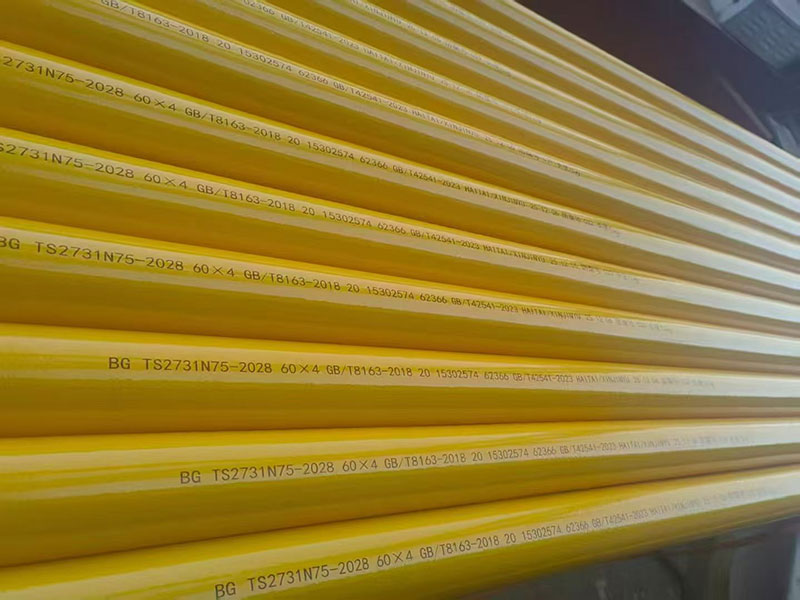
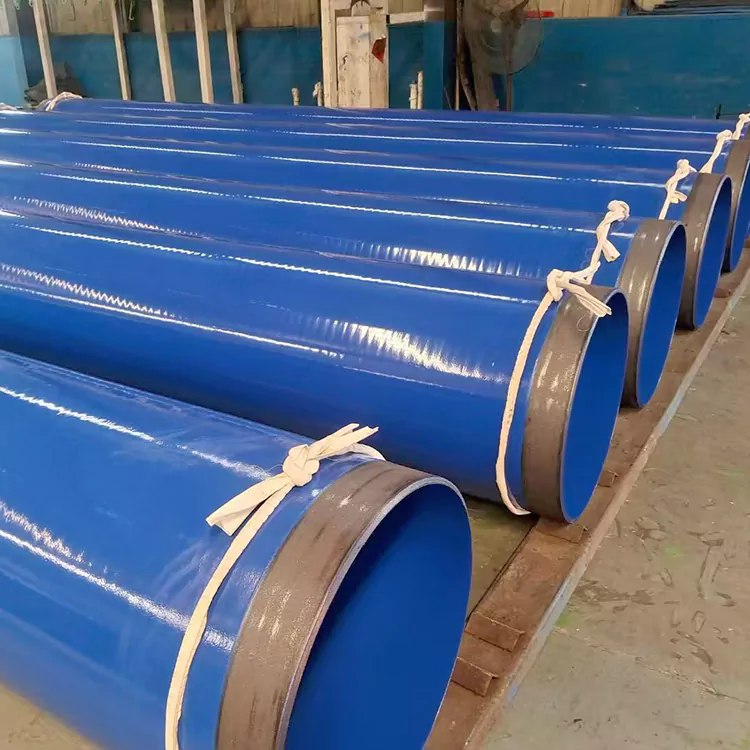
Plastic coated steel pipe is a high-performance piping solution that combines the mechanical strength of steel with the corrosion resistance of plastic coatings. Widely used in water supply, fire protection, chemical transportation, and construction infrastructure, this type of pipe has become an essential material in modern engineering projects. This article provides a comprehensive overview of plastic coated steel pipes, including their structure, manufacturing process, advantages, applications, comparisons with other pipes, and practical selection tips, helping engineers, contractors, and buyers make informed decisions.

Plastic Coated Steel Pipe

Table of Contents


1. What Is Plastic Coated Steel Pipe?

A plastic coated steel pipe is a composite pipe made by applying one or more layers of plastic material—such as epoxy, polyethylene (PE), or polypropylene (PP)—onto the inner and/or outer surface of a steel pipe. The steel core provides high mechanical strength and pressure resistance, while the plastic coating acts as a protective barrier against corrosion, chemical attack, and abrasion.

This combination allows plastic coated steel pipes to outperform traditional steel pipes in harsh environments, making them a preferred choice in modern infrastructure projects.


2. Structure and Composition

Plastic coated steel pipes typically consist of the following layers:

  • Steel substrate: Carbon steel or alloy steel pipe that provides structural strength.
  • Surface treatment layer: Includes sandblasting or chemical cleaning to ensure strong adhesion.
  • Plastic coating layer: Epoxy resin, PE, PP, or other thermoplastic materials.
Layer Function
Steel Core Provides pressure resistance and mechanical strength
Bonding Layer Ensures adhesion between steel and plastic
Plastic Coating Prevents corrosion, wear, and chemical damage

3. Manufacturing Process of Plastic Coated Steel Pipe

The manufacturing process of plastic coated steel pipes is critical to product quality and durability. The general steps include:

  1. Steel pipe inspection and surface cleaning
  2. Sandblasting or acid pickling for surface roughness
  3. Preheating the steel pipe
  4. Plastic powder spraying or extrusion coating
  5. High-temperature curing and cooling
  6. Quality inspection and testing

Advanced manufacturers like JuMing adopt strict quality control standards to ensure uniform coating thickness and strong bonding strength.


4. Types of Plastic Coatings Used

Different applications require different plastic coatings. The most common types include:

  • Epoxy (EP) coating: Excellent adhesion and corrosion resistance
  • Polyethylene (PE) coating: High impact resistance and flexibility
  • Polypropylene (PP) coating: Superior heat and chemical resistance

Each coating type offers unique advantages depending on the operating environment and medium being transported.


5. Key Advantages of Plastic Coated Steel Pipe

Plastic coated steel pipes offer numerous benefits compared to traditional pipes:

  • Outstanding corrosion resistance
  • Long service life (often exceeding 30 years)
  • Smooth inner surface with low friction
  • High pressure and temperature tolerance
  • Reduced maintenance costs
  • Environmentally friendly and safe for potable water

These advantages make plastic coated steel pipes ideal for long-term infrastructure investments.


6. Major Applications in Modern Infrastructure

Plastic coated steel pipes are widely used across various industries:

  • Municipal water supply and drainage systems
  • Fire protection and sprinkler systems
  • Oil, gas, and chemical transportation
  • Power plants and industrial facilities
  • Underground and marine pipelines

Their versatility allows them to meet diverse engineering requirements under complex conditions.


7. Plastic Coated Steel Pipe vs Other Pipe Materials

Pipe Type Corrosion Resistance Strength Service Life
Plastic Coated Steel Pipe Excellent High 30+ years
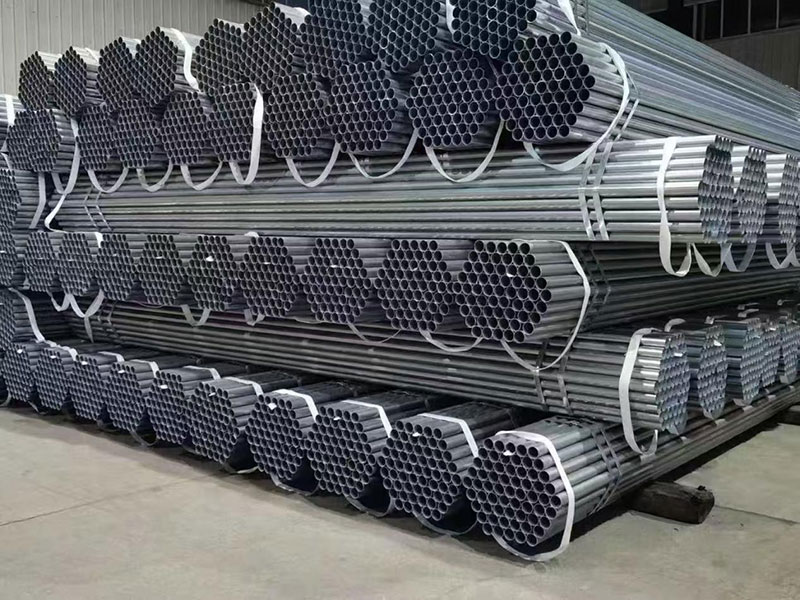
Galvanized Steel Pipe Moderate High 10–15 years
PVC Pipe Excellent Low 20–25 years

8. How to Choose the Right Plastic Coated Steel Pipe

When selecting plastic coated steel pipes, consider the following factors:

  • Operating pressure and temperature
  • Type of transported medium
  • Environmental conditions
  • Coating material and thickness
  • Compliance with international standards

Working with an experienced manufacturer ensures optimal performance and long-term reliability.


9. Why Choose JuMing as Your Supplier

JuMing specializes in manufacturing high-quality plastic coated steel pipes for global markets. With advanced production equipment, strict quality inspection, and customized solutions, JuMing provides reliable piping systems tailored to diverse engineering needs.

Whether for municipal infrastructure or industrial projects, JuMing delivers products that meet international standards and exceed customer expectations.


10. Frequently Asked Questions (FAQ)

Q1: Is plastic coated steel pipe safe for drinking water?

Yes. High-quality plastic coated steel pipes use food-grade coatings that comply with drinking water safety standards.

Q2: Can plastic coated steel pipes be used underground?

Absolutely. Their excellent corrosion resistance makes them ideal for underground and buried installations.

Q3: What is the typical lifespan of a plastic coated steel pipe?

With proper installation and maintenance, the service life can exceed 30 years.

Q4: Can plastic coated steel pipes be customized?

Yes. Diameter, length, coating type, and thickness can all be customized according to project requirements.


If you are looking for durable, cost-effective, and high-performance piping solutions, plastic coated steel pipes are an excellent choice. To learn more about specifications, pricing, or customized solutions from JuMing, please feel free to contact us today.

Related News
Leave me a message
X
We use cookies to offer you a better browsing experience, analyze site traffic and personalize content. By using this site, you agree to our use of cookies. Privacy Policy
Reject Accept