News

Why Are Anti-Corrosion Steel Pipes a Smarter Choice for Long-Term Pipeline Projects?

2026-04-07 0 Leave me a message

Article Summary

When pipelines fail, the visible damage is usually only the final stage of a much longer problem. Moisture, chemicals, salts, soil conditions, and installation damage can quietly attack unprotected steel for years before leaks, shutdowns, or replacement costs appear. In this article, I explain why Anti-Corrosion Steel Pipes matter so much in modern infrastructure, how buyers can evaluate coating systems and manufacturing quality, and what project teams should look for before placing an order. I also discuss typical use cases, cost concerns, service life expectations, and common purchasing mistakes. Along the way, I naturally introduce Tianjin Juming Steel Pipe Co., Ltd. as a manufacturer positioned to support demanding water, oil, gas, municipal, and industrial pipeline requirements.

Outline

  1. The real cost of corrosion in pipeline systems
  2. The core value of Anti-Corrosion Steel Pipes
  3. Typical industries and working environments
  4. How to assess coatings, base material, and process control
  5. A practical procurement comparison table
  6. Frequent sourcing mistakes that increase long-term risk
  7. Why experienced manufacturers help reduce project uncertainty
  8. Answers to common buyer questions

Why Does Corrosion Create So Many Hidden Costs?

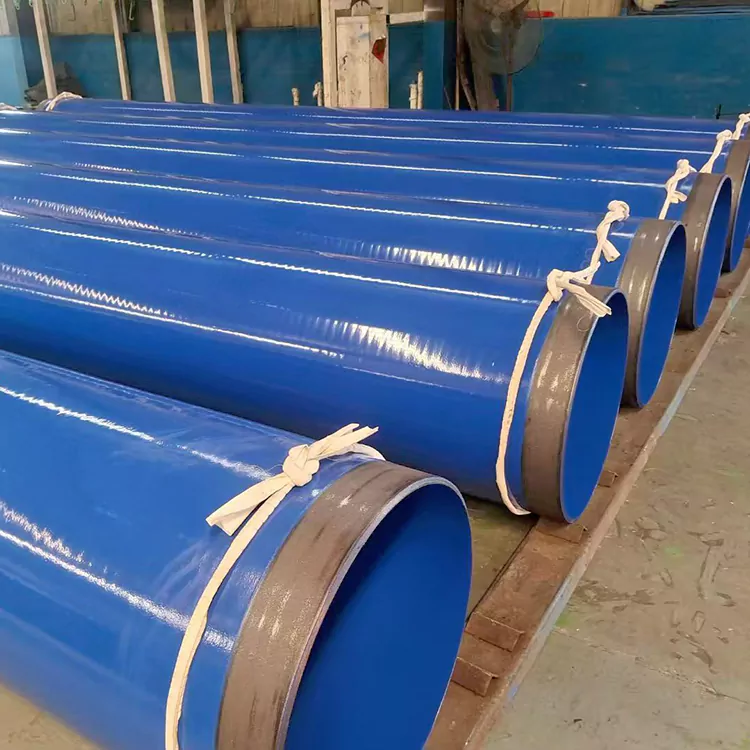
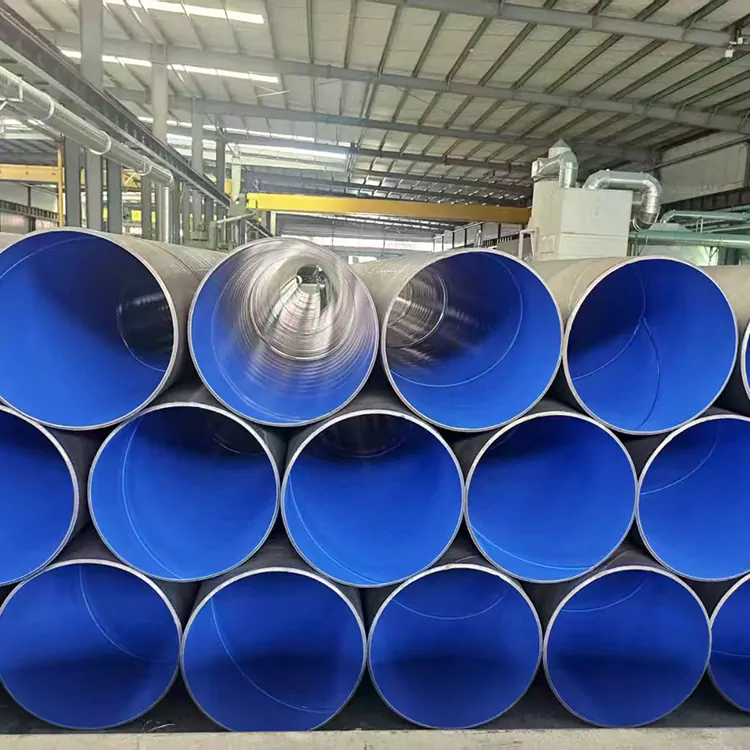
Anti-Corrosion Steel Pipes

Many buyers focus first on pressure rating, diameter, wall thickness, and price. That makes sense at the quotation stage, but it is rarely enough for the full life cycle of a pipeline. Steel is valued because it is strong, practical, and cost-efficient, yet in aggressive environments it can also be vulnerable if left unprotected. Once corrosion begins, the problem does not stay limited to the pipe wall. It can lead to fluid contamination, reduced flow efficiency, more frequent repairs, shutdowns, reputational loss, and expensive replacement work.

I have seen this pattern across municipal projects, industrial transport lines, buried pipe networks, and fluid systems exposed to moisture or unstable soil conditions. The first quote may look attractive when using ordinary material, but later costs often arrive through maintenance teams, emergency repairs, labor, and operational downtime. That is exactly why more project owners now treat Anti-Corrosion Steel Pipes not as an optional upgrade, but as a practical way to control future risk.

Corrosion is not only a materials issue. It is a budgeting issue, a scheduling issue, and often a project reputation issue.

In other words, the cheapest pipe is not always the lowest-cost decision. For many buyers, the real question is no longer whether protection is necessary, but which protective solution makes the most sense for the application.

What Makes Anti-Corrosion Steel Pipes Different?

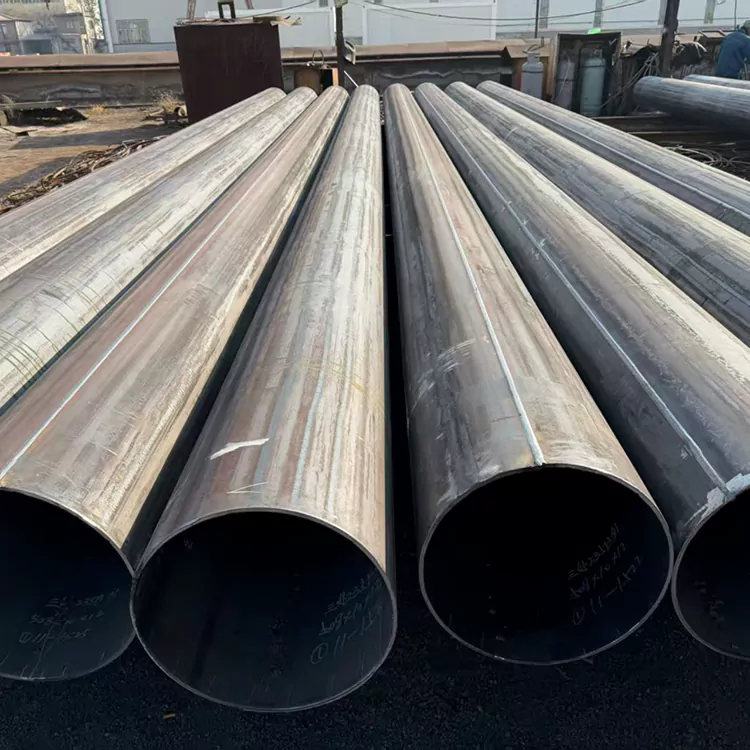
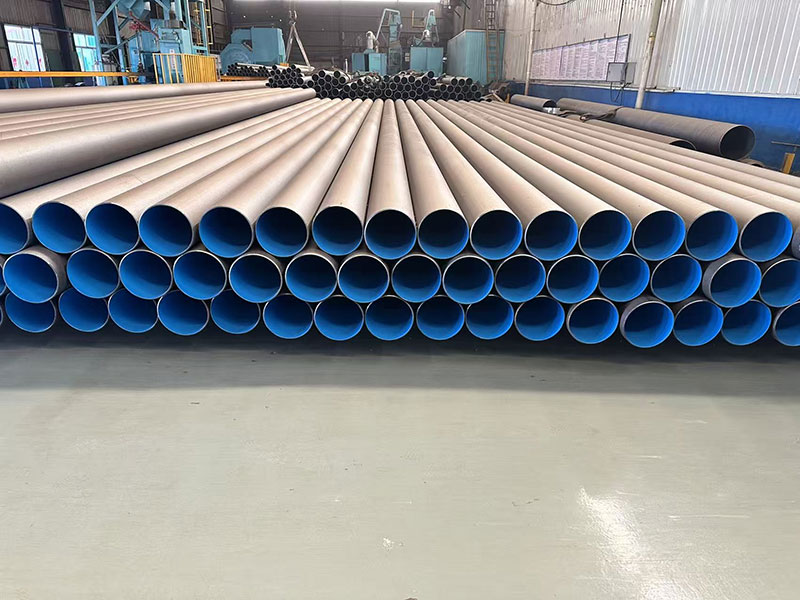
The difference starts with intent. Standard steel pipe is designed to provide structural integrity and fluid-carrying capability. Anti-Corrosion Steel Pipes go a step further by adding a protective system that helps isolate the steel from water, chemicals, salts, soil activity, and other corrosive influences. That protection may involve coating technologies, surface treatment steps, controlled adhesion layers, and stricter production management.

A serious anti-corrosion solution is not simply “paint on steel.” It is a combination of substrate quality, surface preparation, coating selection, thickness control, bonding performance, and inspection discipline. If one link is weak, the protection can fail earlier than expected.

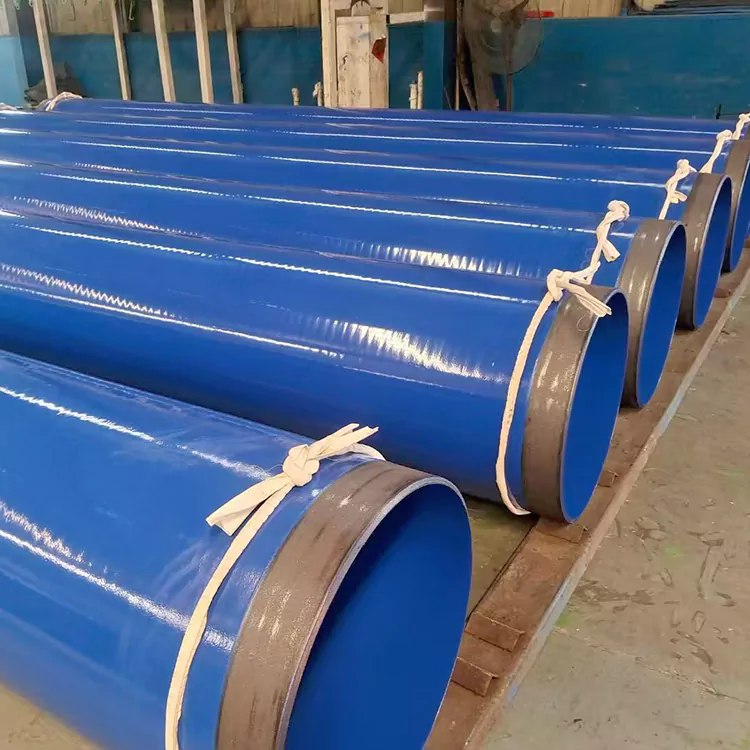
This is one reason manufacturers with process control experience are so important. Tianjin Juming Steel Pipe Co., Ltd. presents anti-corrosion piping as a solution for water, oil, gas, and industrial transport, and highlights coating systems such as 3PE with layered protection logic rather than a single simplistic barrier. That kind of approach matters because real-world corrosion is rarely caused by just one factor.:contentReference[oaicite:1]{index=1}

  • Barrier protection: keeps corrosive media away from the steel surface
  • Mechanical protection: helps resist abrasion, impact, and handling damage
  • Longer service life: reduces replacement frequency in demanding environments
  • Stable performance: supports more predictable maintenance planning
  • Project value: improves whole-life return instead of only reducing initial purchase cost

Where Are Anti-Corrosion Steel Pipes Most Commonly Used?

The answer is broader than many buyers expect. These products are not limited to one niche sector. They are relevant anywhere steel needs to carry media reliably while facing environmental exposure. That includes buried lines, wet locations, industrial plants, municipal systems, and infrastructure where maintenance access is difficult or expensive.

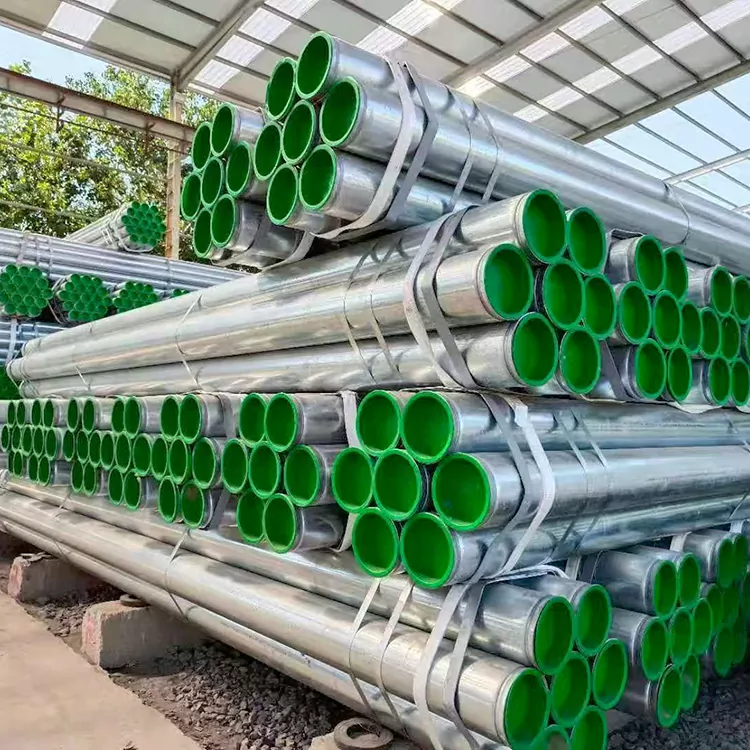
On the product side, anti-corrosion solutions are commonly associated with underground pipelines, water supply, oil and gas transmission, municipal works, fire protection systems, and industrial fluid transport. Those are the kinds of uses buyers tend to prioritize because failure can affect safety, public service continuity, or production output.:contentReference[oaicite:2]{index=2}

Application Area Main Risk Why Anti-Corrosion Matters
Municipal water systems Moisture, soil chemistry, long burial periods Helps reduce leakage risk and supports stable public service life
Oil and gas transmission External corrosion, handling damage, remote routing Improves durability and lowers maintenance difficulty over long distances
Industrial fluid transport Chemical exposure and operational wear Protects assets and reduces unplanned downtime
Fire protection piping Long idle periods plus internal and external exposure Supports reliability where system failure is not acceptable
Marine or coastal projects Salt-rich and highly aggressive environments Extends pipe life where ordinary steel deteriorates much faster

If your project environment is wet, buried, chemically active, coastal, or hard to maintain after installation, then choosing Anti-Corrosion Steel Pipes becomes less of a premium feature and more of a practical baseline.

How Should Buyers Choose the Right Pipe Solution?

This is where purchasing teams can either protect the project or accidentally create future trouble. I usually suggest evaluating five areas before comparing suppliers on price.

  1. Understand the actual environment
    Is the pipe buried underground, exposed to seawater, installed in a plant, or used in a humid building service system? Environment should drive coating selection.
  2. Verify the base steel and manufacturing consistency
    Even the best coating cannot fully compensate for poor substrate control, dimensional inconsistency, or unstable welding quality.
  3. Review the coating system, not just the coating name
    Buyers should ask what layers are involved, how the surface is prepared, how adhesion is controlled, and how thickness is checked.
  4. Check the inspection mindset of the supplier
    Reliable producers do not rely on a sales promise alone. They rely on process discipline and repeatable quality procedures.
  5. Balance initial budget with service-life expectations
    The right decision is often the one that prevents the second purchase, not the first invoice.

For example, 3PE systems are widely valued because they combine an epoxy primer, adhesive layer, and polyethylene outer layer to support adhesion, moisture resistance, and mechanical protection. When a supplier also pays attention to cleaning, sandblasting, and surface preparation, the result is much more credible than a generic coating claim without process detail.:contentReference[oaicite:3]{index=3}

Which Factors Matter Most in Real Procurement?

Let me put the buying logic into a simpler comparison. This is often the stage where engineering and purchasing teams need to align with each other.

Procurement Factor What Many Buyers Focus On First What Usually Matters More Over Time
Unit price Lowest immediate quotation Total lifecycle cost, including maintenance and replacement
Coating description Simple product label Layer structure, adhesion, thickness consistency, and inspection control
Lead time Fast shipment promise Reliable delivery with stable quality and complete specification matching
Supplier selection Lowest bid wins Manufacturer experience, communication efficiency, and customization support
Project fit Standardized pipe choice Environment-specific recommendation based on actual service conditions

This is exactly why experienced buyers ask better questions. They do not only ask, “How much does it cost per ton?” They ask, “How stable will this system be after installation?” That second question is where Anti-Corrosion Steel Pipes begin to show their value clearly.

What Mistakes Should Project Buyers Avoid?

A lot of avoidable trouble comes from a few repeated sourcing mistakes. Some are understandable, especially under schedule pressure, but they still cost money later.

  • Choosing by price only
    This usually ignores installation conditions, maintenance access, and service-life requirements.
  • Ignoring surface preparation quality
    Coating performance depends heavily on how the steel surface is cleaned and prepared before application.
  • Assuming all anti-corrosion pipes are equivalent
    They are not. System design, thickness, adhesion, and production control all affect performance.
  • Overlooking project-specific customization
    Pipe diameter, wall thickness, end treatment, coating type, and application scenario should be reviewed together.
  • Waiting until failure to think about corrosion
    By then, repair costs are already much higher than preventive planning costs.

I would also add one more mistake: treating the supplier as a simple trading channel rather than a technical partner. When the environment is challenging, project success often depends on early communication.

Why Does the Supplier Matter as Much as the Pipe?

Anti-Corrosion Steel Pipes

Because anti-corrosion performance is not created by a brochure. It is created by manufacturing judgment, production consistency, and responsiveness when specifications become more detailed. A capable supplier helps buyers move from vague demand to a workable solution. That includes discussing environment, transportation method, installation conditions, and long-term performance priorities.

Tianjin Juming Steel Pipe Co., Ltd. positions itself as a manufacturer serving anti-corrosion applications across municipal, oil and gas, industrial, and related projects, while also emphasizing its production lines, quality control, and customization-oriented support. For buyers, that kind of combination is attractive because it reduces the gap between a quotation document and actual project execution.:contentReference[oaicite:4]{index=4}

In practical terms, a good supplier should help you do three things:

  1. Match the pipe solution to the working environment
  2. Reduce uncertainty in quality and delivery
  3. Protect the project from short-sighted procurement decisions

That is why I always say a reliable manufacturer does more than sell steel. It helps protect schedules, budgets, and infrastructure credibility.

How Do Buyers Usually Question Anti-Corrosion Steel Pipes?

FAQ

Is it really worth paying more for Anti-Corrosion Steel Pipes?

In many projects, yes. If the pipeline is buried, exposed to moisture, installed in corrosive surroundings, or expensive to maintain after commissioning, the extra investment often makes financial sense.

Do anti-corrosion coatings only matter for underground pipelines?

No. Underground use is common, but industrial, municipal, fire protection, coastal, and fluid transport systems can also benefit from corrosion protection.

Can buyers rely on the coating name alone?

Not really. The coating label is only one part of the story. Surface preparation, adhesion, thickness control, and process stability matter just as much.

How can I judge whether a supplier is dependable?

Look for clear communication, realistic technical explanations, manufacturing experience, specification support, and evidence of process control rather than vague sales language.

Are Anti-Corrosion Steel Pipes suitable for customized orders?

Yes. Many projects require tailored dimensions, coating choices, and performance considerations based on installation and transport conditions.

How Can You Move the Project Forward with Confidence?

If your project cannot afford early deterioration, maintenance headaches, or preventable replacement costs, then it is time to evaluate Anti-Corrosion Steel Pipes more seriously. The right solution should not only satisfy a purchase order today. It should still make sense after years of operation, environmental exposure, and maintenance review.

Tianjin Juming Steel Pipe Co., Ltd. is one of the manufacturers buyers can review when they need a more dependable anti-corrosion piping option for municipal, industrial, water, oil, gas, or infrastructure work. A better pipeline decision begins with asking better questions, and that conversation is worth having before the project reaches the costly stage.

If you are comparing suppliers, refining specifications, or trying to select the right Anti-Corrosion Steel Pipes for a real project, now is the right time to move from uncertainty to a workable plan. Contact us to discuss your application, request product details, and get support for a solution that fits your project more precisely.

Related News
Leave me a message
X
We use cookies to offer you a better browsing experience, analyze site traffic and personalize content. By using this site, you agree to our use of cookies. Privacy Policy
Reject Accept