Tianjin Juming Steel Pipe Co., Ltd. highlights why Single Anti-Corrosion Steel Pipes cannot be judged only by appearance, as coating structures and application conditions create major performance differences.
In many infrastructure projects, steel pipes may look almost identical from the outside, but their corrosion protection capabilities can vary significantly. The coating material, production process, environmental conditions, and expected service life all influence how well a pipe performs after installation.
As industries expand pipeline networks for energy transportation, water supply, construction, and industrial systems, understanding these differences has become increasingly important. Selecting an unsuitable anti-corrosion solution may lead to higher maintenance requirements, unexpected repairs, and reduced operating efficiency.
Why Anti-Corrosion Steel Pipes Are Not All the Same
A common misunderstanding is that thicker coatings always mean better protection. However, corrosion resistance is not determined by thickness alone. The interaction between the steel surface, coating material, and surrounding environment plays a much bigger role.
Different projects face different challenges:
Underground pipelines must withstand soil moisture and external pressure.
Industrial pipelines may face chemical exposure and temperature changes.
Outdoor structures must handle sunlight, rain, and seasonal climate changes.
Because of these differences, anti-corrosion technologies have developed into multiple solutions rather than a single universal option.
The Hidden Differences Behind Coating Technologies
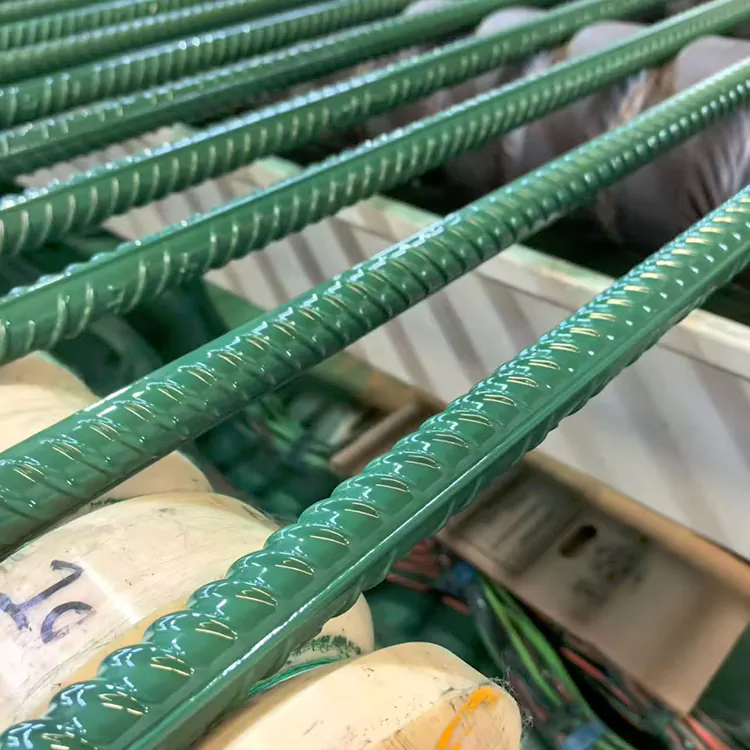
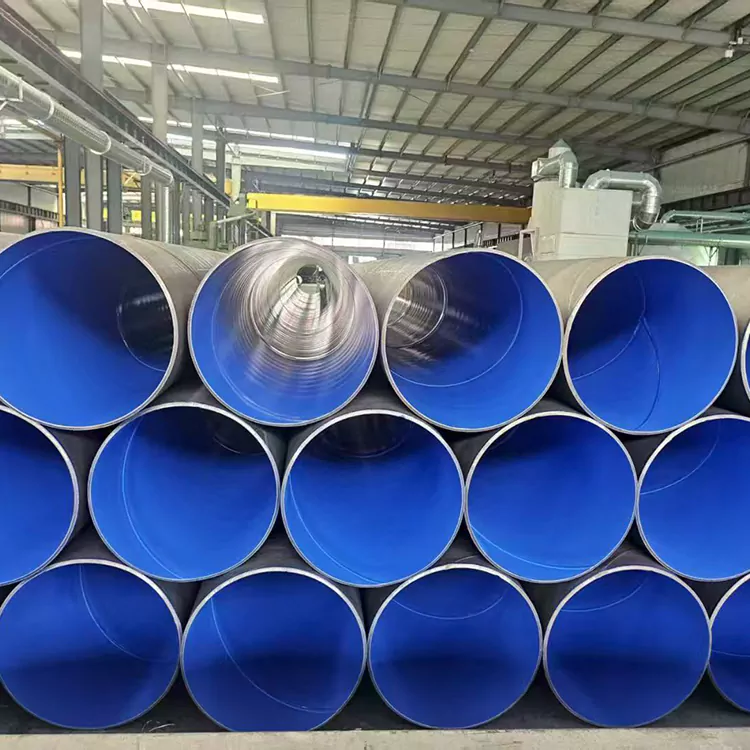
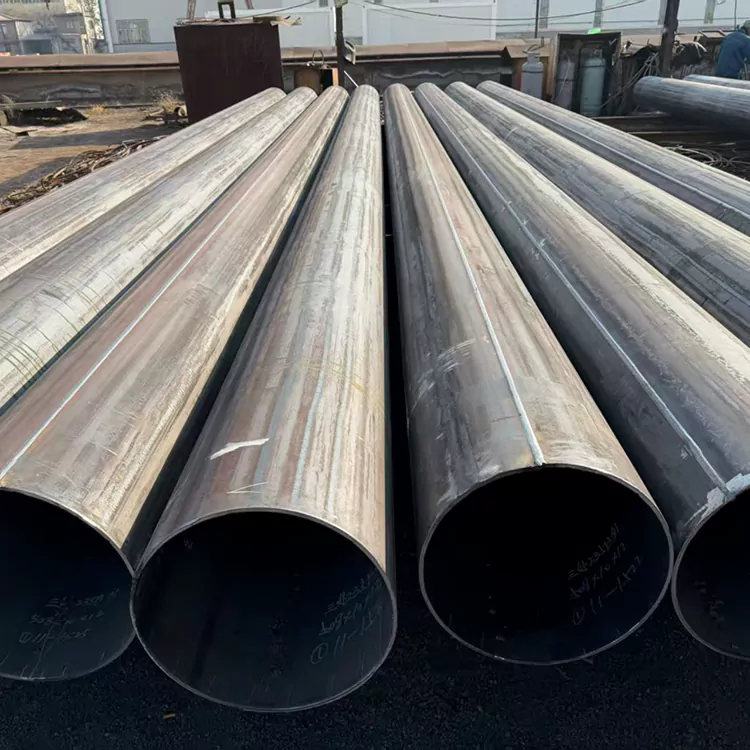
The performance of Single Anti-Corrosion Steel Pipes depends largely on the type of protective layer applied to the steel surface. Common coating systems include 3PE, FBE, galvanized protection, and other customized anti-corrosion treatments.
Each technology has its own advantages.
3PE Coating: Designed for Mechanical Protection
Three-layer polyethylene (3PE) coating is widely used in underground pipeline applications. It combines epoxy powder, adhesive layers, and polyethylene protection.
The outer polyethylene layer provides resistance against impact and physical damage during transportation, installation, and underground operation.
This makes 3PE a popular choice for projects where pipes may experience external stress from soil movement or construction activities.
FBE Coating: Strong Bonding Performance
Fusion bonded epoxy (FBE) coating works differently. It creates a strong connection between the coating and the steel surface through heat curing.
FBE is known for its excellent adhesion and resistance to chemical environments. It is often considered for applications where surface bonding and corrosion resistance are key requirements.
Comparing Different Anti-Corrosion Solutions
Feature
3PE Coating
FBE Coating
Galvanized Protection
Main Protection Method
Multi-layer polyethylene barrier
Fusion bonded epoxy layer
Zinc protective coating
Main Advantage
Strong external protection
Excellent adhesion and chemical resistance
Good atmospheric corrosion resistance
Common Usage
Underground oil, gas, and water pipelines
Industrial and special pipeline applications
Construction and structural steel applications
Resistance to Physical Damage
High
Moderate to high
Suitable for general exposure
Maintenance Consideration
Designed for long-term buried service
Suitable for controlled environments
Depends on exposure conditions
Project Conditions Should Decide the Right Choice
Choosing an anti-corrosion pipe solution requires more than comparing product names. The surrounding environment should be the starting point.
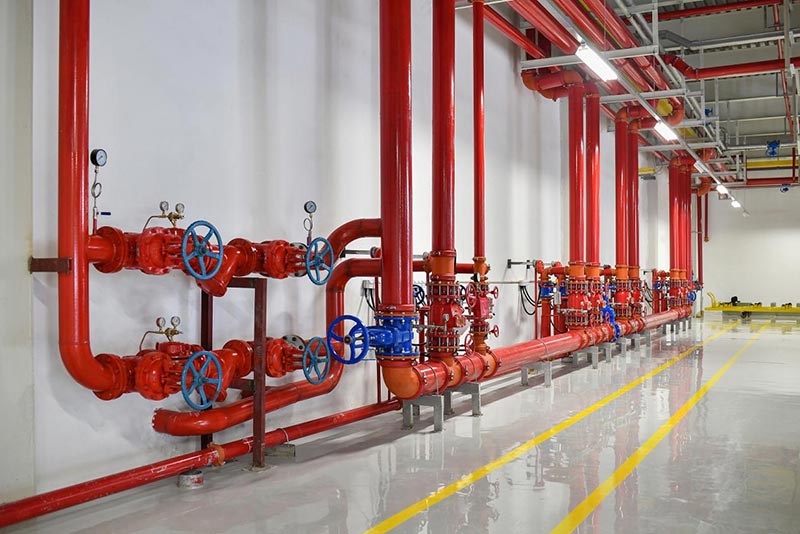
For example, a pipeline installed underground in a humid region may require stronger external protection. Meanwhile, a pipeline inside an industrial facility may need better chemical resistance.
Engineers and project teams usually evaluate several factors before selecting a suitable solution:
Environmental Factors
Soil conditions and moisture levels
Temperature changes
Exposure to chemicals
Installation location
Expected operating period
Performance Requirements
Corrosion resistance
Coating adhesion
Mechanical strength
Installation method
Maintenance expectations
A proper match between coating technology and working environment helps improve pipeline reliability and reduces unnecessary replacement costs.
Manufacturing Processes Also Influence Final Performance
Even with the same coating type, production quality can create noticeable differences. Surface preparation, steel quality, coating uniformity, and inspection standards all affect the final performance of anti-corrosion pipes.
Before coating application, steel surfaces usually require cleaning and treatment to ensure proper adhesion. Poor surface preparation may reduce coating effectiveness, even when advanced materials are used.
Tianjin Juming Steel Pipe Co., Ltd. has been operating in the steel industry since 2015, integrating steel trading, processing, and distribution services. The company maintains cooperation with domestic steel mills and operates production facilities for various steel products.
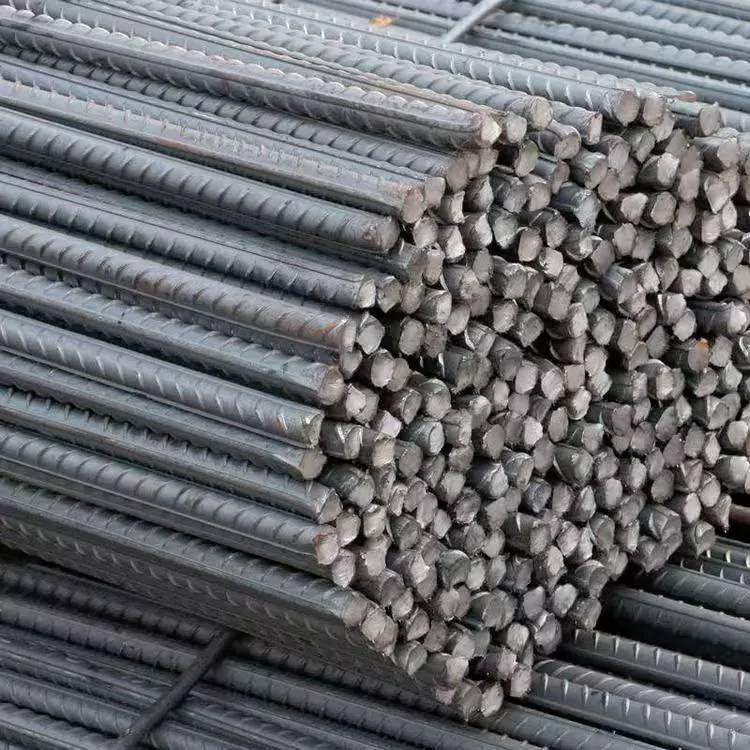
Its product range includes anti-corrosion steel pipes, galvanized steel pipes, steel sheet piles, rebar, cold-rolled steel, hot-rolled plates, structural steel, and photovoltaic brackets. These products support applications across construction, automotive, shipbuilding, energy transportation, and infrastructure industries.
Industry Trends: Longer Service Life Becomes a Priority
Modern infrastructure projects are placing greater attention on lifecycle performance rather than only initial installation. Pipeline failures can create significant operational challenges, making corrosion prevention an essential part of project planning.
New coating technologies and improved manufacturing controls are helping steel pipes achieve better protection in demanding environments. At the same time, more projects are moving toward customized solutions based on climate, application, and operating conditions.
The development of Single Anti-Corrosion Steel Pipes is following this trend by focusing on balanced performance, combining corrosion protection, structural strength, and practical installation requirements.
Conclusion
Anti-corrosion steel pipes may appear similar, but their internal coating structures and performance characteristics can be very different. Factors such as coating type, environment, and production quality determine whether a pipe can provide stable long-term protection. Understanding these differences allows infrastructure projects to make more suitable choices. Tianjin Juming Steel Pipe Co., Ltd. continues to support global steel applications with reliable Single Anti-Corrosion Steel Pipes and comprehensive steel processing solutions for construction, transportation, and industrial development.
We use cookies to offer you a better browsing experience, analyze site traffic and personalize content. By using this site, you agree to our use of cookies.Privacy Policy