News

Plastic-coated composite pipes unlock new application scenarios for pipelines.

2025-12-30 0 Leave me a message

In the wave of iterative upgrades in pipeline materials, composite pipes, with their core characteristics of "complementary advantages and synergistic performance," are gradually replacing traditional single-material pipes and becoming the mainstream choice for engineering construction and public applications. Among them, plastic-coated composite pipes, using steel pipes as the base material and polymer materials as the coating, combine the strength of metal with the corrosion resistance of plastic, making them suitable for diverse and complex environments and widely used in water supply and drainage, industrial transportation, gas distribution, and many other fields. This article will comprehensively interpret the core value of plastic-coated composite pipes from the dimensions of product definition, core advantages, application scenarios, and purchasing guidelines.


I. What is a Plastic-Coated Composite Pipe? Structure and Type Analysis


Plastic-coated composite pipes are a new type of composite pipe material. Using seamless steel pipes, straight seam steel pipes, or spiral steel pipes as the base material, a layer of polymer anti-corrosion coating (common materials are epoxy resin, polyethylene, polypropylene, etc.) is simultaneously coated on the inner wall, outer wall, or both walls of the steel pipe through professional processes such as electrostatic spraying and dip coating. After high-temperature curing, a composite structure of "base material + coating" is formed. This structure achieves a functional division of "metal bearing the load and plastic providing corrosion protection," solving the problem of traditional steel pipes' susceptibility to corrosion while compensating for the insufficient pressure resistance of pure plastic pipes.


Depending on the coating location and material, plastic-coated composite pipes can be divided into several types to suit different application needs: By coating location, they can be divided into internally coated composite pipes, externally coated composite pipes, and both internally and externally coated composite pipes; by coating material, they can be divided into epoxy resin coated composite pipes (resistant to chemical corrosion, strong adhesion, suitable for water supply and drainage, and chemical media transportation), polyethylene coated composite pipes (good flexibility, low-temperature resistance, suitable for gas transportation and low-temperature environments), and polypropylene coated composite pipes (high-temperature resistance, wear resistance, suitable for industrial high-temperature media transportation).


II. Core Advantages of Plastic-Coated Composite Pipes: Why are they the preferred composite pipe material?


Compared to traditional steel pipes, pure plastic pipes, and other composite pipes, plastic-coated composite pipes achieve multi-dimensional breakthroughs in performance, with outstanding core advantages:


1. Superior Corrosion and Wear Resistance, Longer Service Life


The polymer coating of plastic-coated composite pipes forms a complete isolation barrier, completely isolating the steel pipe from water, soil, acidic and alkaline media, and other corrosive sources, eliminating rust and scaling problems at the source. Simultaneously, the smooth and tough coating surface is wear-resistant and scratch-resistant, reducing the erosion loss of the pipeline's inner wall by the transported media. Under normal operating conditions, the service life of plastic-coated composite pipes can reach 25-50 years, far exceeding that of traditional steel pipes (5-10 years) and ordinary plastic pipes (10-20 years), significantly reducing pipeline replacement costs.


2. Excellent Mechanical Properties and Strong Pressure and Impact Resistance


Relying on the support of high-quality steel pipe substrate, the plastic-coated composite pipe possesses extremely high compressive strength (working pressure up to 1.0-2.5MPa) and impact resistance, adapting to complex installation environments such as underground burial, high-altitude installation, and soil settlement. It is not easily damaged or deformed by external impacts or pressure fluctuations. Simultaneously, its low coefficient of linear expansion ensures structural stability even in high or low temperature environments, preventing pipe cracking and leakage.


Smooth Inner Wall with Low Resistance and Higher Transport Efficiency


The inner wall coating of the plastic-coated composite pipe is smooth and flat, with a friction coefficient of only 0.008-0.012, far lower than that of traditional steel pipes (0.017-0.020) and concrete pipes. The smooth inner wall effectively reduces the flow resistance of the transported medium, improving transport efficiency. Especially in water supply and drainage, and gas transmission, it can reduce the energy consumption of power equipment such as pumps and compressors. Simultaneously, the inner wall is less prone to scaling and bacterial growth, ensuring the purity of the transported medium and meeting the hygiene requirements for drinking water and food-grade media.


Easy installation, less maintenance, and lower overall cost


The weight of plastic-coated composite pipes is 30%-50% lighter than steel pipes of the same specifications, making handling and hoisting easier. Furthermore, flexible connection methods are available, including grooved connections, flange connections, and threaded connections. The installation process is simple, significantly shortening the construction cycle and reducing construction costs. In addition, due to its excellent corrosion resistance, frequent rust removal and painting maintenance is unnecessary during use; only regular routine inspections are required. The long-term maintenance cost is only 1/5 to 1/3 of that of traditional steel pipes.


Environmentally friendly, safe, and pollution-free, suitable for diverse scenarios


The polymer coating used in plastic-coated composite pipes is made of environmentally friendly materials, odorless, non-toxic, and free of harmful heavy metals and volatile harmful substances. It will not pollute the transported water, gas, or food-grade media, and complies with the national GB/T 17219-1998 hygiene standard. Simultaneously, the coating is resistant to acids and alkalis, salt spray, and moisture, making it suitable for diverse and harsh environments such as underground, underwater, open-air, high-temperature, and low-temperature conditions, with no limitations on its application range.


III. Main Application Scenarios of Plastic-Coated Composite Pipes


With its comprehensive advantages of "corrosion resistance + strength + environmental protection," plastic-coated composite pipes are used in multiple fields including municipal, industrial, residential, and energy sectors, becoming a versatile choice for pipeline engineering:


1. Municipal Water Supply and Drainage Engineering: Including urban tap water mains, residential water pipes, municipal sewage pipes, and rainwater drainage pipes. Plastic-coated composite pipes can resist underground soil corrosion and the erosion of acidic and alkaline substances in sewage, and are hygienic and environmentally friendly, ensuring the safety of drinking water and the stable transportation of sewage.


2. Industrial Production: Suitable for conveying process media in industries such as chemical, metallurgy, power, pharmaceutical, and food processing. Examples include conveying acid and alkali solutions and salt solutions in the chemical industry, cooling water and circulating water in the metallurgical industry, and food-grade media such as purified water and fruit juice in the food industry.


3. Gas Transmission Engineering: Polyethylene-coated composite pipes offer good flexibility and resistance to gas corrosion, making them suitable for indoor and outdoor gas transmission pipelines for natural gas, liquefied petroleum gas, and manufactured gas. They can adapt to different terrains and ensure safe gas transmission.


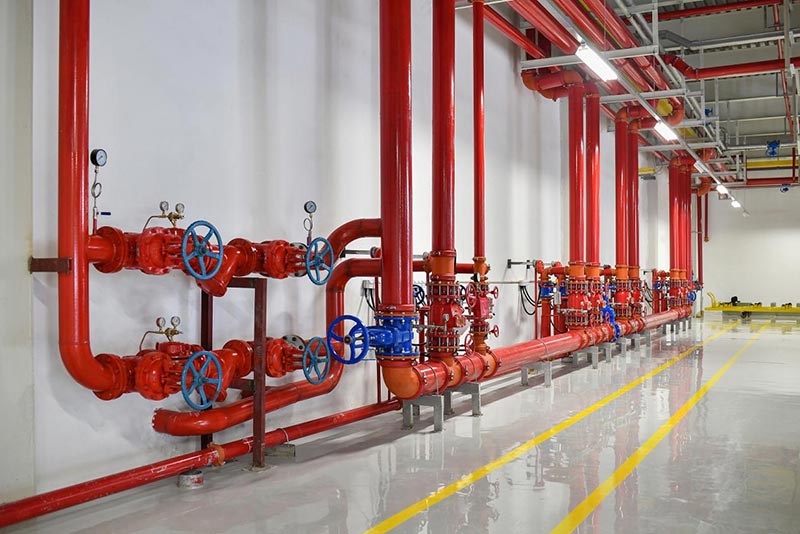
4. Fire Protection Engineering: Fire protection pipelines have extremely high requirements for safety and reliability. Coated composite pipes possess excellent compressive strength and corrosion resistance, enabling stable delivery of fire-fighting water in emergencies such as fires. They are suitable for indoor and outdoor fire hydrant pipelines and sprinkler system pipelines in buildings.


5. Agriculture and Water Conservancy: Includes agricultural irrigation pipelines, water conservancy project water transmission pipelines, mariculture pipelines, and seawater desalination pipelines. They can resist the erosion of corrosive media such as irrigation water and seawater, ensuring efficient water resource transportation.


6. Other Special Scenarios: It can also be used for tailings pipelines in mines, open-pit pipelines in coastal areas, pipelines in polar low-temperature environments, and supporting pipelines for subways and underground integrated pipe corridors, addressing various extreme environmental challenges.


IV. Plastic-Coated Composite Pipe Selection Guide: Avoiding Misconceptions and Choosing High-Quality Products


The quality of plastic-coated composite pipes directly affects project safety and service life. When purchasing, it is necessary to consider the application scenario and focus on the following key points:


1. Clarify Requirements and Choose the Right Coating Type: Select the appropriate coating material based on the transport medium and operating environment. For example, food-grade epoxy resin plastic-coated composite pipes are preferred for drinking water transportation; polyethylene plastic-coated composite pipes are preferred for gas transportation; polypropylene plastic-coated composite pipes are preferred for high-temperature media transportation; for underground installations, it is recommended to choose plastic-coated composite pipes with both inner and outer walls to enhance corrosion resistance.


2. Verify Substrate Quality: The substrate of high-quality plastic-coated composite pipes must be steel pipes that meet national standards. Check the material certificate, wall thickness uniformity, and pipe diameter accuracy of the substrate to avoid selecting steel pipes with uneven wall thickness or inferior materials, which will affect the pipeline's load-bearing capacity.


3. Inspect Coating Performance: Pay attention to the coating thickness (inner wall coating thickness not less than 0.4mm, outer wall coating thickness not less than 0.6mm), adhesion (pass cross-cut test, no coating peeling), and appearance (no bubbles, cracks, sagging, or other defects). Simultaneously, request the manufacturer to provide environmental protection and corrosion resistance test reports for the coating to ensure compliance with relevant standards.


4. Choose Reputable Manufacturers: Prioritize reputable manufacturers with production qualifications, a good industry reputation, and large-scale production. Reputable manufacturers possess mature spraying processes and complete testing equipment, ensuring product quality. They can also provide one-stop services such as technical consultation, installation guidance, and after-sales support.


5. Verify Product Parameters and Test Reports: According to the engineering design requirements, verify the specifications, pressure rating, length, and other parameters of the plastic-coated composite pipe. Request the manufacturer to provide third-party test reports for the product, including indicators such as mechanical properties, corrosion resistance, and hygiene performance, to ensure the product meets engineering requirements.


V. Conclusion


Plastic-coated composite pipes, as a high-efficiency composite pipe material combining metal and plastic, inherit the strength advantages of steel pipes while possessing the corrosion resistance and environmental friendliness of plastics. They perfectly solve many pain points of traditional pipelines, making them the preferred material for modern pipeline engineering. Whether for municipal construction, industrial production, or residential applications, choosing high-quality plastic-coated composite pipes can lay a solid foundation for the long-term stable operation of projects while reducing overall costs.


If you have a need to purchase plastic-coated composite pipes, it is recommended that you first clarify your usage scenarios and core requirements, and then accurately select products based on the above purchasing guide. For further information on product details, application cases, and customized solutions for plastic-coated composite pipes, please feel free to consult professional plastic-coated composite pipe manufacturers for one-on-one professional answers and technical support.


Related News
Leave me a message
X
We use cookies to offer you a better browsing experience, analyze site traffic and personalize content. By using this site, you agree to our use of cookies. Privacy Policy
Reject Accept