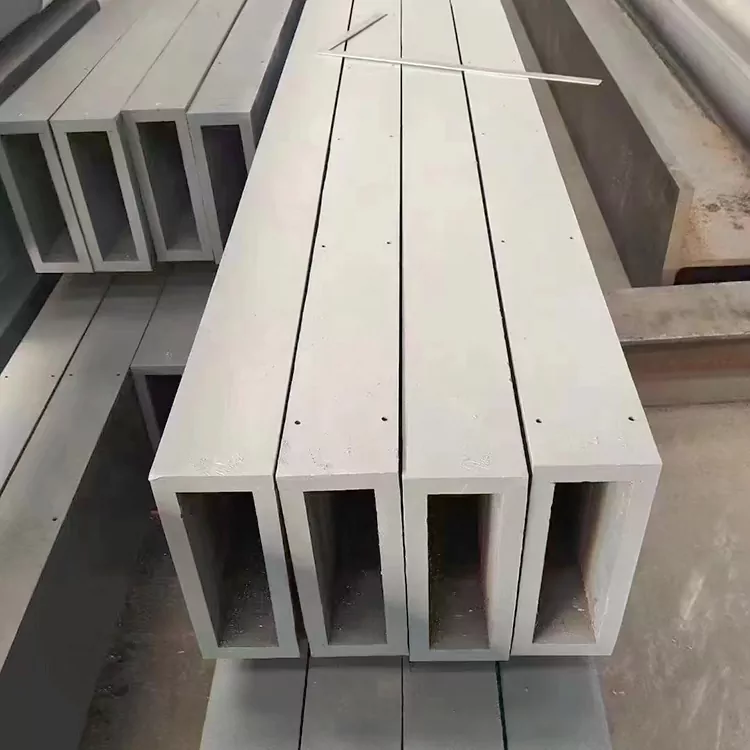
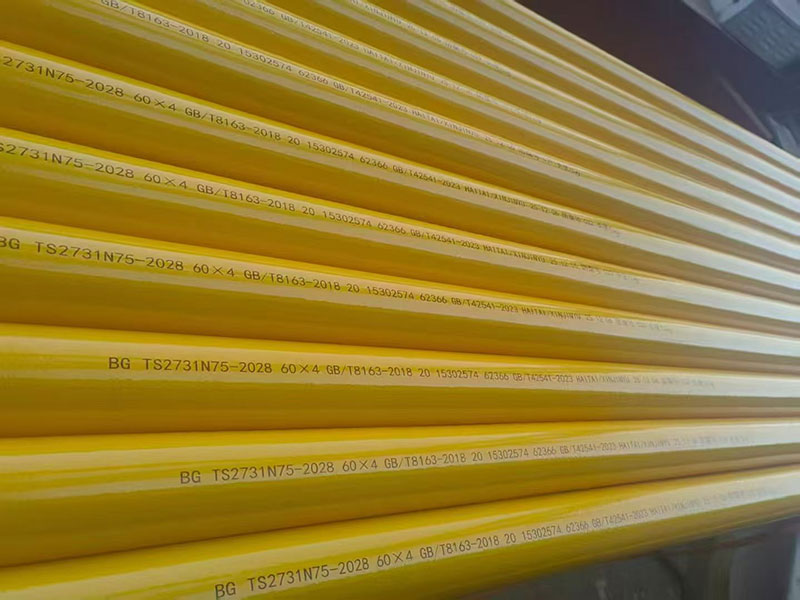
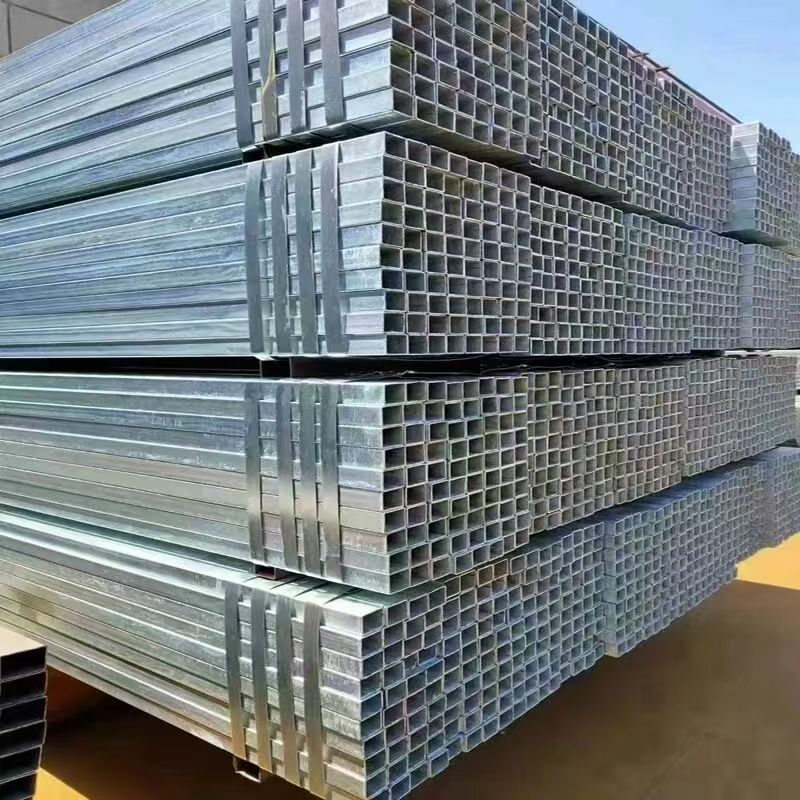
A Right Angle Square Steel Tube is a high‑precision hollow steel section widely used in construction, machinery, infrastructure, and architectural fabrication. Thanks to its exact 90‑degree corners, uniform wall thickness, and excellent load‑bearing capability, it offers superior structural stability and design consistency compared with many other steel profiles. In this comprehensive guide, we explore how right angle square steel tubes enhance structural strength, improve installation accuracy, and support cost‑effective engineering solutions.
A Right Angle Square Steel Tube is a square hollow section (SHS) steel tube manufactured with precise 90‑degree internal and external angles. Unlike conventional square tubes that may have rounded corners, right angle square steel tubes feature sharp edges and consistent geometry, making them ideal for projects requiring strict dimensional accuracy.
According to product specifications provided by Juming, these tubes are produced using advanced cold‑forming or hot‑rolling processes, followed by calibration to ensure tight tolerances and excellent straightness.
2. Structural Strength Advantages
One of the key reasons engineers prefer right angle square steel tubes is their outstanding structural performance. The square cross‑section distributes stress evenly, while the right‑angle corners improve load transfer at joints.
Key Strength Benefits
Uniform stress distribution under compression and bending
Higher torsional resistance compared with open profiles
Improved joint strength due to precise 90‑degree edges
Excellent performance in both static and dynamic load conditions
In multi‑story buildings, steel frames, and industrial platforms, these characteristics translate into safer structures with longer service life.
3. Design Accuracy and Fabrication Benefits
Design accuracy is critical in modern construction and manufacturing. Right angle square steel tubes provide consistent geometry that simplifies CAD modeling, CNC cutting, and on‑site assembly.
Why Accuracy Matters
Reduces fabrication errors and rework
Ensures tight alignment in modular construction
Enhances visual aesthetics in exposed steel designs
Fabricators working with Juming products often report improved welding efficiency and cleaner joints, as sharp corners allow better fit‑up compared with rounded alternatives.
4. Manufacturing Process and Quality Control
The production of right angle square steel tubes involves strict quality control at every stage. From raw material selection to final inspection, manufacturers focus on maintaining dimensional accuracy and mechanical performance.
Process Step
Description
Quality Focus
Steel Strip Preparation
High‑quality carbon or alloy steel coils
Chemical composition consistency
Forming
Cold‑forming or hot‑rolling into square shape
Angle precision and wall uniformity
Welding
High‑frequency or submerged arc welding
Weld strength and surface finish
Calibration
Corner and dimension correction
90‑degree angle accuracy
5. Materials and Standards
Right angle square steel tubes are available in various grades to meet international standards. Common materials include carbon steel, low‑alloy steel, and structural steel.
ASTM A500 / A36
EN 10219 / EN 10210
JIS G3466
GB/T 6728
By complying with these standards, Juming ensures compatibility with global engineering requirements and simplifies certification processes for international projects.
6. Common Applications
Thanks to their versatility, right angle square steel tubes are used across multiple industries:
Building frames and steel structures
Machinery bases and equipment supports
Bridge components and infrastructure
Architectural facades and interior design
Racking systems and storage solutions
In architectural projects, the clean lines and sharp corners of these tubes contribute to a modern, minimalist appearance while maintaining structural integrity.
7. Comparison with Other Steel Tubes
Type
Corner Shape
Strength
Fabrication Ease
Right Angle Square Steel Tube
Sharp 90°
High
Excellent
Standard Square Tube
Rounded
Medium
Good
Round Steel Tube
None
High (axial)
Moderate
8. How to Choose the Right Product
When selecting a right angle square steel tube, consider the following factors:
Load requirements and safety factors
Dimensional tolerances
Surface finish and corrosion protection
Compliance with project standards
Consulting with experienced suppliers like Juming can help ensure the optimal balance between performance and cost.
9. Frequently Asked Questions (FAQ)
What makes a right angle square steel tube different from a regular square tube?
The main difference lies in corner geometry. Right angle square steel tubes have sharper, more precise 90‑degree corners, improving alignment and joint strength.
Are right angle square steel tubes more expensive?
They may have a slightly higher unit cost, but the reduction in fabrication time and improved structural efficiency often result in overall cost savings.
Can these tubes be customized?
Yes. Dimensions, wall thickness, material grades, and surface treatments can be customized according to project needs.
Do they meet international standards?
Reputable manufacturers such as Juming produce right angle square steel tubes that comply with major global standards.
Conclusion
A Right Angle Square Steel Tube is more than just a structural component—it is a precision‑engineered solution that enhances strength, accuracy, and efficiency across a wide range of applications. By choosing high‑quality products from trusted manufacturers like Juming, engineers and builders can achieve superior results in both performance and design.
If you are planning a project that demands precision, durability, and reliable supply, contact us today to learn how Juming’s right angle square steel tubes can support your next build.
We use cookies to offer you a better browsing experience, analyze site traffic and personalize content. By using this site, you agree to our use of cookies.
Privacy Policy