For many construction contractors, municipal engineering teams, fabricators, and pipeline buyers, the real challenge is not simply finding steel pipes. The harder task is choosing pipe materials that can balance strength, weldability, delivery stability, budget control, and long-term project reliability. This article explains how Q235B Steel Pipes can support practical purchasing decisions, what buyers should check before ordering, and how working with a capable supplier such as Tianjin Juming Steel Pipe Co., Ltd. can reduce avoidable risks during project execution.
Article Summary
Q235B Steel Pipes are widely used in structural engineering, general fluid transportation, municipal projects, machinery frames, piling support, greenhouse structures, and fabrication work. Buyers often choose them because Q235B carbon steel offers a practical combination of moderate strength, good processing performance, weldability, and cost efficiency. However, a successful purchase still depends on matching the pipe type, size, wall thickness, surface treatment, inspection documents, and delivery schedule to the real project environment.
This guide breaks down the buying logic behind Q235B Steel Pipes, including material suitability, specification comparison, project pain points, quality checks, anti-corrosion options, supplier evaluation, and common questions from international buyers.
Table of Contents
- Article Outline
- Why Do Buyers Struggle When Choosing Steel Pipes?
- What Makes Q235B Steel Pipes Practical for Engineering Use?
- Which Projects Commonly Use Q235B Steel Pipes?
- How Should Buyers Compare Pipe Types?
- What Quality Details Should Be Checked Before Purchase?
- How Can the Right Supplier Reduce Project Risk?
- FAQ
- Conclusion
Article Outline
- Understand why buyers choose Q235B Steel Pipes for practical engineering needs.
- Identify the most common pain points in steel pipe purchasing.
- Compare different pipe forms and their typical use scenarios.
- Review key inspection points before confirming an order.
- Learn how supplier capability affects delivery, consistency, and after-sales support.
Why Do Buyers Struggle When Choosing Steel Pipes?
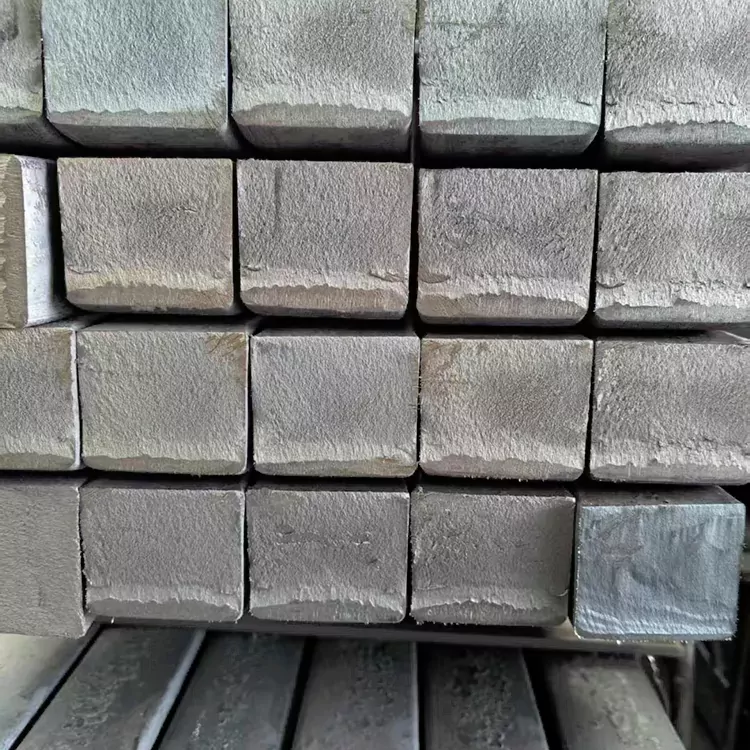
Steel pipe purchasing looks simple on the surface. A buyer sends the diameter, thickness, length, quantity, and destination port. A supplier gives a price. The lowest quote seems attractive. But real projects are rarely that simple.
Many buyers face similar problems: uncertain material standards, unclear wall thickness tolerance, inconsistent welding quality, delayed shipment, poor surface treatment, missing inspection reports, and weak communication after payment. When pipes arrive at the jobsite and the specification does not match the drawing, the cost is no longer limited to the pipe price. It may affect installation progress, labor scheduling, equipment rental, and even project acceptance.
This is why Q235B Steel Pipes should not be purchased only by comparing unit prices. Buyers need to evaluate whether the pipe is suitable for the working environment, whether the supplier can provide stable batches, and whether the product can meet practical requirements such as cutting, welding, bending, coating, pressure testing, or structural loading.
A professional supplier should help buyers clarify these points before production begins. For example, if the pipe will be used for outdoor structural support, surface protection may be more important than choosing the lowest raw pipe cost. If the pipe will be welded into a frame, dimensional consistency and end-face quality become essential. If the pipe is used in municipal or fluid transportation projects, inspection documents and pressure-related checks should not be ignored.
What Makes Q235B Steel Pipes Practical for Engineering Use?
Q235B Steel Pipes are made from Q235B carbon structural steel, a material commonly selected for general engineering because it offers a useful balance between strength, machinability, weldability, and affordability. For buyers who need dependable steel pipes for construction, support structures, general fabrication, and non-extreme working conditions, Q235B is often a practical choice.
The value of Q235B does not come from one dramatic feature. Its advantage is balance. It can be processed into different pipe forms, welded into assemblies, cut to project lengths, and combined with surface treatments when corrosion resistance is needed. This makes Q235B Steel Pipes suitable for buyers who want a material that is easy to source, easy to process, and flexible across multiple applications.
However, buyers should remember that Q235B is not a universal answer for every environment. If a project involves high pressure, aggressive chemicals, extreme temperatures, or special load-bearing requirements, the material selection should be reviewed carefully. The better approach is to match the pipe material and manufacturing process to the actual working condition instead of relying on one grade for every project.
Tianjin Juming Steel Pipe Co., Ltd. supports buyers who need different forms of steel pipe supply, including welded pipe options, structural pipe solutions, and project-based customization. For international buyers, this type of supply capability can be useful because one project may require several pipe specifications rather than one single product size.
Which Projects Commonly Use Q235B Steel Pipes?
Buyers choose Q235B Steel Pipes across many industries because the material fits a broad range of practical engineering tasks. In construction, they can be used for temporary support, scaffolding-related structures, columns, frames, and building components. In municipal engineering, they may appear in water-related pipeline systems, drainage projects, protective casing, and support structures. In manufacturing, they are often used for machinery frames, equipment bases, guardrails, racks, and welded assemblies.
The same pipe grade can serve different purposes, but the required specification may vary greatly. A greenhouse structure may focus on surface coating, dimensional uniformity, and lightweight handling. A piling or foundation support project may require larger diameter, stronger wall thickness, and stricter inspection. A machinery frame may care more about straightness, weld seam appearance, cutting accuracy, and fabrication performance.
Typical application areas include:
- Building structures and steel frameworks
- Municipal water supply and drainage support
- General fluid transportation under suitable conditions
- Greenhouse frames and agricultural structures
- Mechanical manufacturing and equipment frames
- Bridge, road, and foundation-related support projects
- Warehouse racks, guardrails, fences, and protective structures
- Export engineering projects requiring stable carbon steel pipe supply
The key is not simply asking whether Q235B Steel Pipes can be used. The better question is whether the pipe form, size tolerance, wall thickness, surface treatment, and testing documents are aligned with the project’s expected service condition.
How Should Buyers Compare Pipe Types?
Different projects may require different pipe structures. Before confirming an order, buyers should compare pipe types based on production process, size range, strength needs, welding requirements, and final application. The table below gives a practical comparison for purchasing discussions.
| Pipe Type | Common Buyer Concern | Suitable Project Use | What to Confirm |
|---|---|---|---|
| Straight Seam Welded Pipe | Dimensional accuracy and weld quality | Structures, fabrication, machinery frames | Outer diameter, wall thickness, weld inspection, length tolerance |
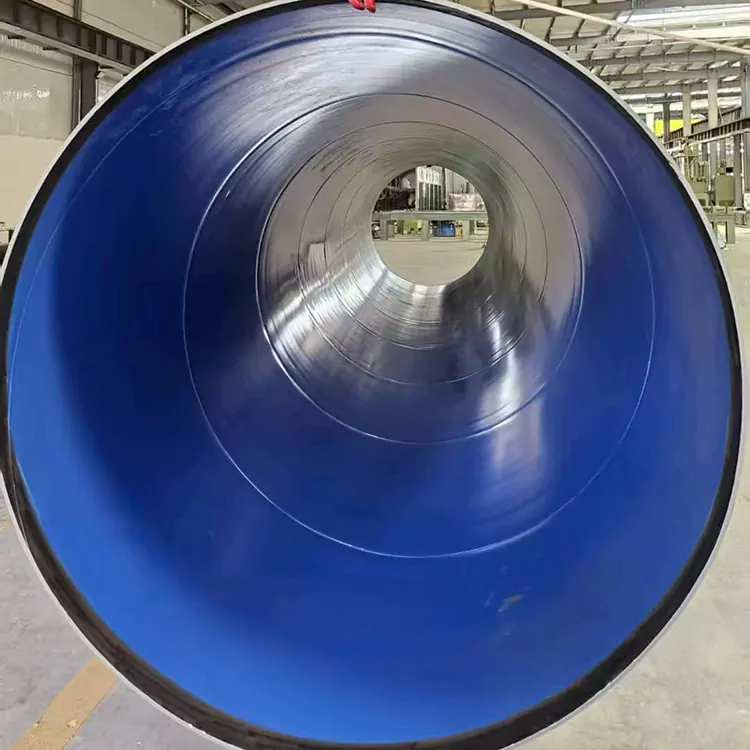
| Spiral Welded Pipe | Large-diameter stability and delivery capacity | Municipal pipelines, piling, large structures | Weld seam control, hydrostatic test needs, coating requirement |
| Seamless Steel Pipe | Pressure performance and uniformity | Higher-demand fluid or mechanical use | Material certificate, size range, testing standard |
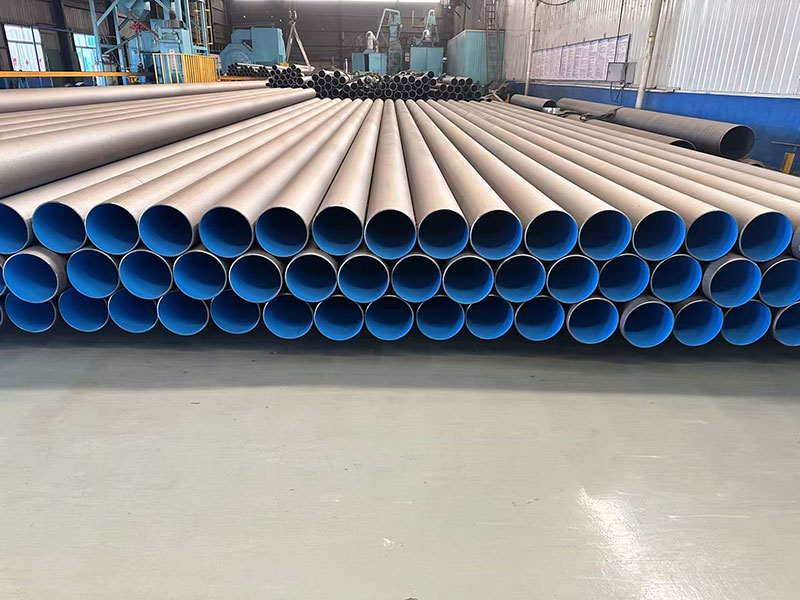
| Coated or Anti-Corrosion Pipe | Outdoor durability and service life | Buried pipelines, outdoor frames, humid environments | Coating type, coating thickness, adhesion, packaging protection |
This comparison helps buyers avoid a common mistake: treating all Q235B Steel Pipes as the same product. In real purchasing, the steel grade is only one part of the decision. The pipe-making process, inspection method, surface condition, and supplier production control can all affect the final result.
What Quality Details Should Be Checked Before Purchase?
A serious buyer should check more than the quotation. For Q235B Steel Pipes, the purchase order should clearly state the product name, steel grade, size, wall thickness, length, quantity, standard, end treatment, surface treatment, packaging method, inspection requirement, and delivery schedule.
The most useful quality checks include:
- Material confirmation: Confirm that the supplied pipe matches Q235B requirements and request material documentation when needed.
- Dimensional inspection: Check outer diameter, wall thickness, length, roundness, straightness, and cutting accuracy.
- Weld seam review: For welded pipes, confirm whether weld appearance, weld strength, and inspection method match project needs.
- Surface condition: Look for rust level, scratches, dents, oil marks, coating defects, or packaging damage.
- Testing documents: For engineering projects, ask whether test reports, inspection records, or third-party inspection can be arranged.
- Loading protection: Confirm bundling, end protection, waterproof covering, and container loading method for export orders.
These details matter because steel pipes are often purchased in large quantities. A small misunderstanding repeated across hundreds or thousands of meters can create expensive problems. A reliable supplier should be willing to discuss technical details before production rather than only responding after a complaint appears.
How Can the Right Supplier Reduce Project Risk?
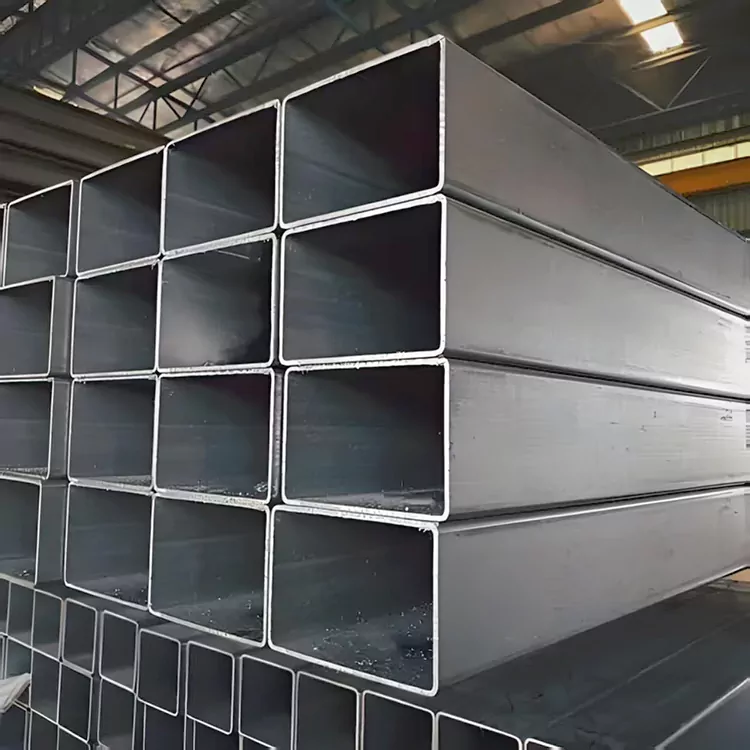
Choosing the right supplier is one of the most effective ways to control risk when buying Q235B Steel Pipes. Price is important, but buyers should also evaluate whether the supplier understands project requirements, supports customization, communicates clearly, and provides stable delivery.
Tianjin Juming Steel Pipe Co., Ltd. serves buyers who need steel pipe products for construction, municipal engineering, machinery manufacturing, and export projects. For many overseas buyers, supplier communication is especially important because drawings, standards, tolerances, shipping schedules, and inspection needs must be confirmed across different languages and time zones.
A capable supplier can help buyers in several ways:
- Recommend suitable pipe types based on application instead of pushing one fixed product.
- Clarify whether raw black pipe, coated pipe, galvanized pipe, or customized surface treatment is more suitable.
- Support size confirmation before mass production.
- Provide production updates for project scheduling.
- Prepare documents for customs clearance, inspection, and project records.
- Reduce communication gaps between purchasing teams, engineers, and jobsite users.
Good steel pipe procurement is not only about buying material. It is about keeping the entire project moving with fewer interruptions. When the pipe grade, specification, treatment, inspection, and delivery are all controlled properly, buyers can reduce rework, avoid disputes, and protect their project timeline.
FAQ
Are Q235B Steel Pipes suitable for structural projects?
Yes, Q235B Steel Pipes are commonly used in structural projects such as frames, supports, racks, guardrails, and general fabrication. Buyers should still confirm load requirements, pipe size, wall thickness, and any surface treatment needed for the working environment.
Can Q235B Steel Pipes be welded easily?
Q235B carbon steel generally has good weldability, which is one reason it is widely used in fabrication. However, welding performance also depends on pipe condition, wall thickness, welding process, operator skill, and project requirements.
Do Q235B Steel Pipes need anti-corrosion treatment?
It depends on the environment. Indoor dry applications may only need basic protection, while outdoor, buried, humid, or coastal environments often require stronger treatment such as galvanizing, coating, painting, or other anti-corrosion solutions.
What information should I provide before requesting a quotation?
Buyers should provide pipe type, outer diameter, wall thickness, length, quantity, steel grade, standard, surface treatment, application, destination port, packaging needs, and inspection requirements. Clear information helps suppliers quote more accurately.
How do I avoid buying the wrong steel pipe?
Do not rely only on price. Confirm drawings, standards, tolerances, coating needs, inspection documents, and delivery schedule before production. Working with an experienced supplier can also reduce misunderstanding during technical confirmation.
Conclusion
Q235B Steel Pipes are a practical choice for many construction, municipal, structural, and fabrication projects because they offer a balanced combination of usability, weldability, availability, and cost control. Still, the best purchasing result depends on more than selecting a steel grade. Buyers need to confirm pipe type, size, wall thickness, surface treatment, inspection documents, and supplier capability before placing an order.
If your project requires stable steel pipe supply, customized specifications, technical communication, or export support, Tianjin Juming Steel Pipe Co., Ltd. can help you compare suitable options and prepare a more reliable purchasing plan. To discuss your required Q235B Steel Pipes, send your drawings, size list, application details, and delivery destination today. Please contact us for a practical quotation and project-focused steel pipe solution.