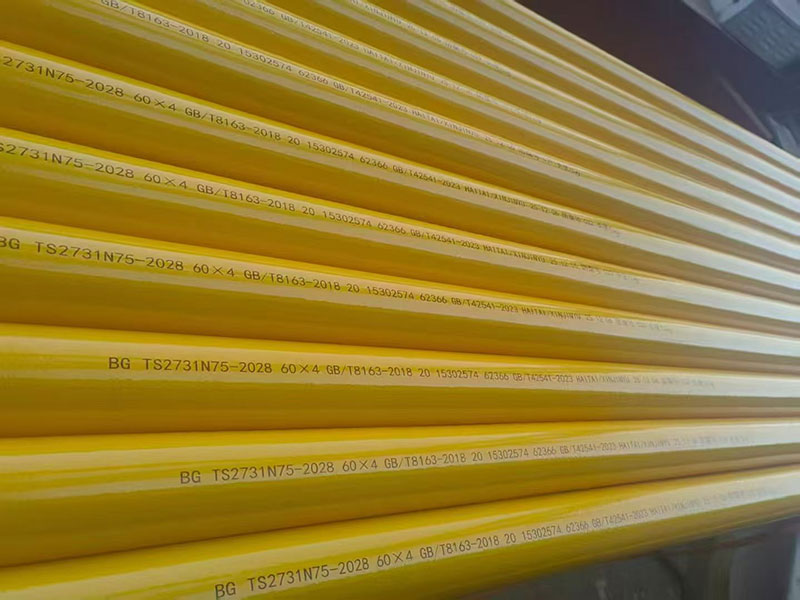
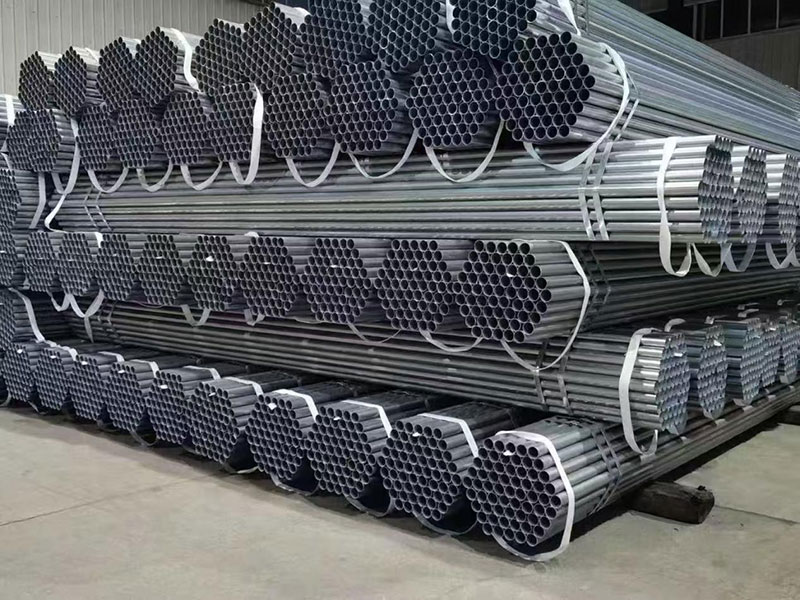
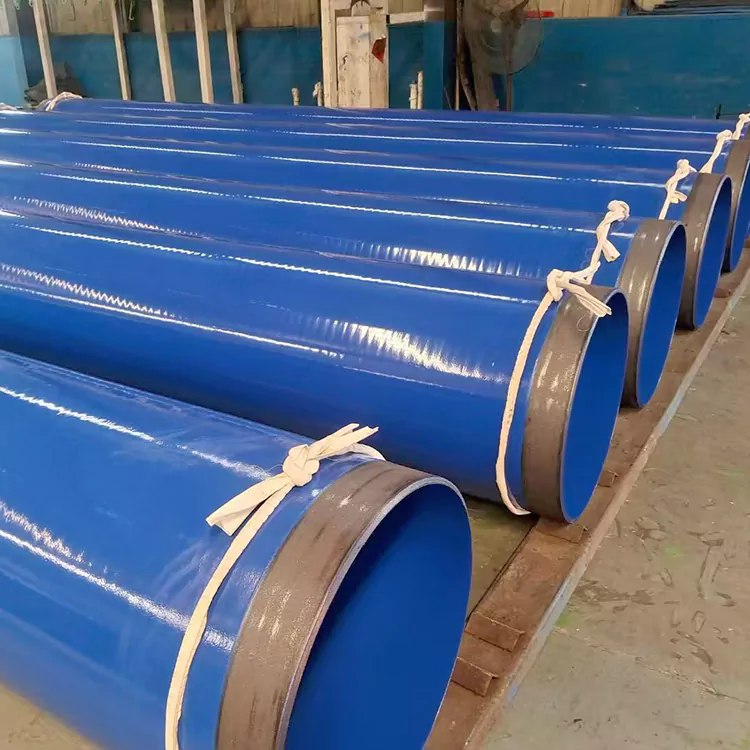
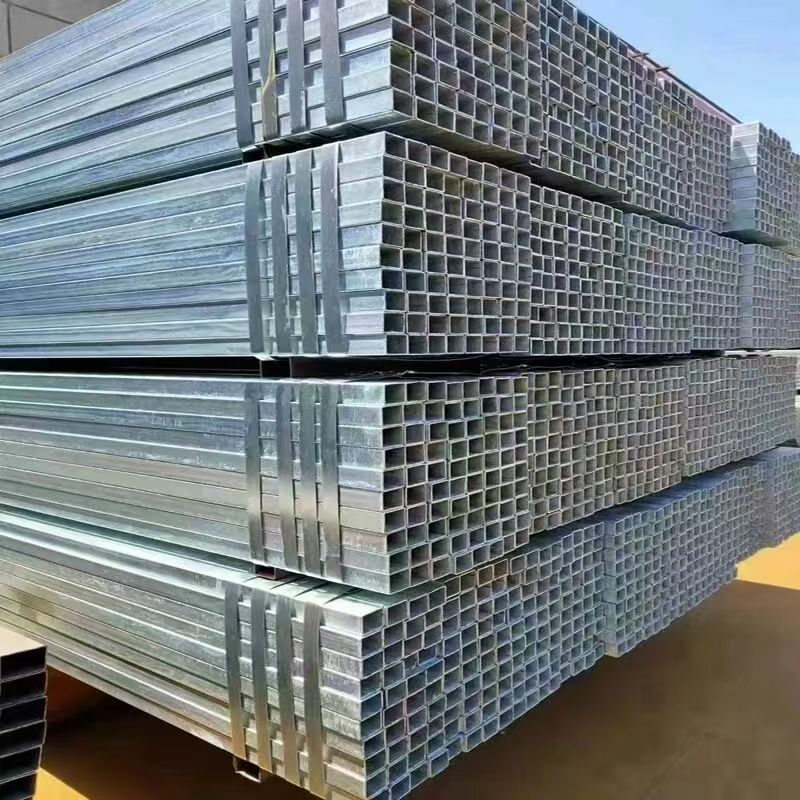
Structural steel shapes are the backbone of modern construction, used extensively in the building of bridges, skyscrapers, and industrial buildings. Understanding the various types of steel shapes and their applications is crucial for anyone involved in construction or steel fabrication. In this blog post, we will explore the different types of structural steel shapes, their uses, and why they are essential for any construction project. We will also look at how JuMing provides high-quality steel products that meet industry standards.

Table of Contents
Introduction to Structural Steel Shapes
Structural steel shapes refer to the various standardized forms that steel is processed into for use in construction. These shapes are created using advanced rolling or pressing techniques that ensure uniformity and strength. They provide structural integrity to buildings, bridges, and other construction projects. These shapes can vary in size, length, and thickness, depending on the project requirements.
Different Types of Structural Steel Shapes
Structural steel shapes come in several forms, each designed for a specific application. Below are the most common types:
| Shape | Description | Common Uses |
|---|---|---|
| I-Beam | A vertical section with two horizontal flanges. | Used for beams, columns, and bridges. |
| H-Beam | Similar to I-beams but with wider flanges. | Common in heavy load-bearing applications. |
| Angle Iron | A steel shape with two legs that meet at a right angle. | Used in framing, brackets, and reinforcing structures. |
| Channel | A U-shaped steel section with tapered edges. | Common in framing, supports, and shelving systems. |
| Plate | Flat steel with a wide surface area. | Used for structural reinforcement, machinery parts, and tanks. |
Applications of Structural Steel Shapes in Construction
Structural steel shapes are used in a variety of applications across the construction industry. Some of the most common uses include:
- Building Frames: Steel shapes provide the framework for skyscrapers and large buildings, allowing them to support heavy loads.
- Bridges: Steel I-beams and H-beams are crucial for creating the spans that connect sections of a bridge.
- Support Structures: Steel shapes like angle iron and channels are used to reinforce other materials and provide additional strength to the structure.
- Industrial Machinery: Steel plates and other shapes are commonly used in the construction of machines and heavy equipment.
Why Choose JuMing for Structural Steel Shapes?
JuMing is a leading supplier of structural steel shapes, providing high-quality products that meet industry standards. Our steel shapes are manufactured using advanced techniques to ensure they are durable, reliable, and ready to withstand the toughest conditions. We offer a wide range of sizes and configurations to meet the needs of any construction project.
Whether you need I-beams for a large building project or angle iron for reinforcement, JuMing can provide the steel you need to get the job done right.
Frequently Asked Questions
1. What is the difference between an I-beam and an H-beam?
The primary difference is the width of the flanges. H-beams have wider flanges compared to I-beams, making them more suitable for heavy load-bearing applications.
2. What are the most common uses for angle iron?
Angle iron is commonly used in framing, as a bracket for supports, or for reinforcing other structures.
3. Can I customize the size of the steel shapes I order from JuMing?
Yes, JuMing offers customized steel shapes in various sizes to meet your specific needs.
4. How can I get a quote for structural steel shapes from JuMing?
You can easily request a quote by contacting our sales team on our website. Simply provide the specifications of the steel shapes you need, and we will get back to you promptly.
Contact Us
If you’re looking for high-quality structural steel shapes for your next construction project, look no further than JuMing. Contact us today to learn more about our products and how we can help bring your project to life!