News

Safe and durable plastic-coated steel pipe piping system

2025-12-30 0 Leave me a message

In the field of pipeline engineering, the choice of materials directly affects project quality, service life, and safety. With technological upgrades, plastic-coated steel pipes, combining the strength of steel with the corrosion resistance of plastic, have gradually become the mainstream choice in various fields such as water supply and drainage, gas transmission, and industrial circulation. This article will provide a comprehensive understanding of plastic-coated steel pipes from aspects such as product characteristics, core advantages, application scenarios, and key selection points.


I. What is Plastic-Coated Steel Pipe? Core Structure Analysis


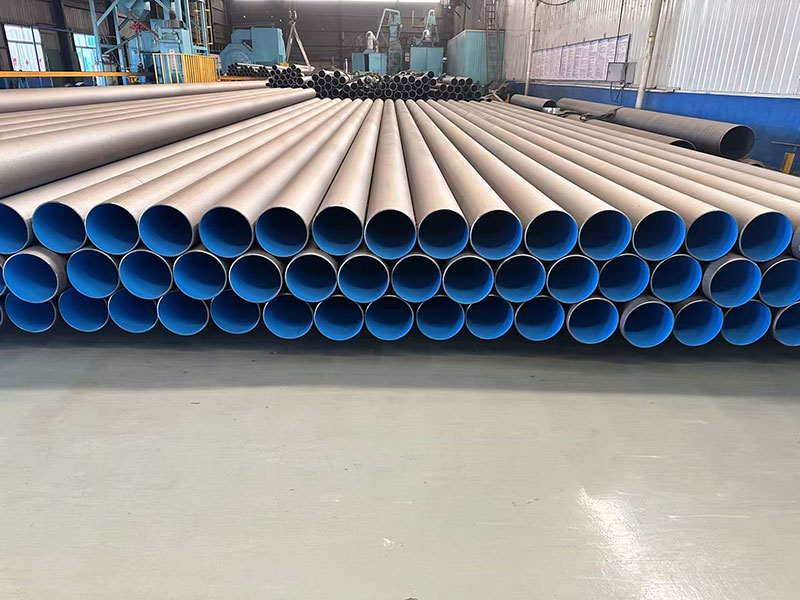
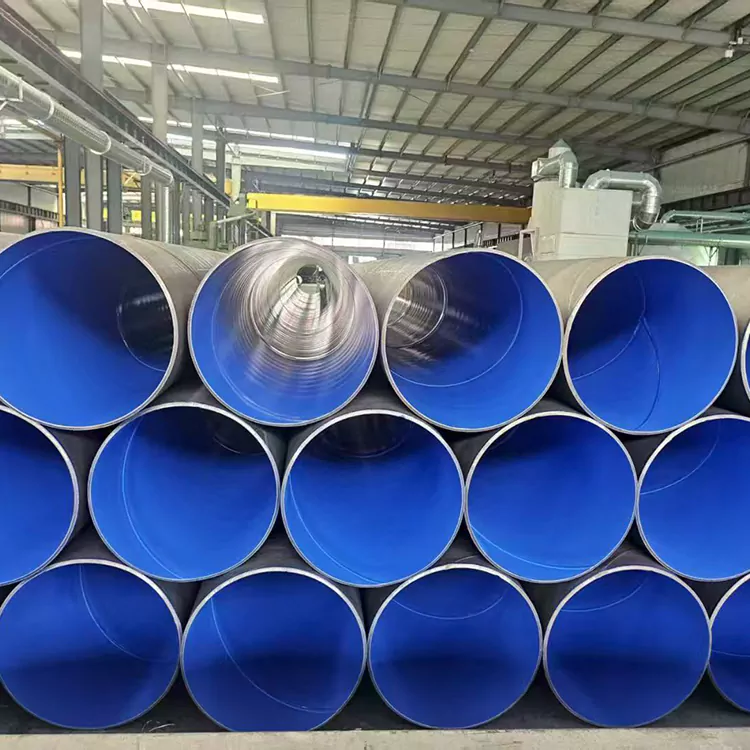
Plastic-coated steel pipes are composite pipes made by coating ordinary carbon steel pipes as the base material with a layer of high-molecular anti-corrosion coating (common coating materials include epoxy resin and polyethylene) on the inner wall, outer wall, or both walls simultaneously through a special process. Its core structure consists of three layers: the innermost layer is the anti-corrosion coating, which is in direct contact with the transported medium, providing corrosion and scale prevention; the middle layer is the carbon steel pipe base material, providing the required compressive strength and impact resistance to ensure the structural stability of the pipeline system; the outermost layer (if any) further enhances the pipe's weather resistance and aging resistance, adapting to the installation requirements of different environments.


Based on the coating material, plastic-coated steel pipes can be divided into two main categories: epoxy resin-coated steel pipes and polyethylene-coated steel pipes. Epoxy resin coatings offer excellent chemical corrosion resistance and strong adhesion, making them more suitable for water supply and drainage, and chemical media transportation. Polyethylene coatings, on the other hand, possess better flexibility and low-temperature resistance, and are commonly used for gas transportation and pipeline laying in low-temperature environments.


II. Core Advantages of Plastic-Coated Steel Pipes: Why are they the Industry's Preferred Choice?


Compared to traditional galvanized steel pipes, ordinary steel pipes, and pure plastic pipes, plastic-coated steel pipes have achieved multi-dimensional breakthroughs in performance, with significant core advantages:


1. Superior Corrosion Resistance, Extended Service Life


Traditional steel pipes are susceptible to corrosion from acidic, alkaline, and saline media, as well as humid environments, leading to rust and scaling problems. This not only affects the purity of the transported medium but also reduces pipe strength and shortens service life. The anti-corrosion coating of plastic-coated steel pipes forms a complete isolation barrier, effectively isolating the steel pipe from external corrosive media and preventing rust and scaling. 1. Under normal operating conditions, plastic-coated steel pipes have a service life of 20-50 years, far exceeding the 5-10 years of traditional steel pipes, significantly reducing the cost and frequency of pipe replacement.


2. Excellent Mechanical Properties, High Pressure and Impact Resistance


Leveraging the superior properties of carbon steel pipe substrates, plastic-coated steel pipes possess extremely high compressive strength and impact resistance, capable of withstanding high working pressures (typically 1.6 MPa and above). They are suitable for various installation environments, including underground burial and high-altitude installations, and are not easily damaged or deformed by external impacts or soil settlement. Furthermore, their low coefficient of linear expansion ensures structural stability even in environments with significant temperature variations, preventing pipe cracking.


3. Smooth Inner Wall, High Transportation Efficiency, and Environmentally Friendly


The smooth and flat inner coating of plastic-coated steel pipes results in an extremely low coefficient of friction. Compared to traditional steel pipes, this effectively reduces the resistance of the transported medium, improving transportation efficiency. This is particularly beneficial in water supply and drainage, and gas transportation scenarios, reducing energy consumption. Furthermore, the coating materials are all environmentally friendly polymer materials, odorless and non-toxic, and will not pollute the transported water, gas, or other media. They meet national environmental protection standards and hygiene requirements, making them suitable for scenarios with high media purity requirements, such as drinking water transportation.


4. Easy Installation and Low Maintenance Costs


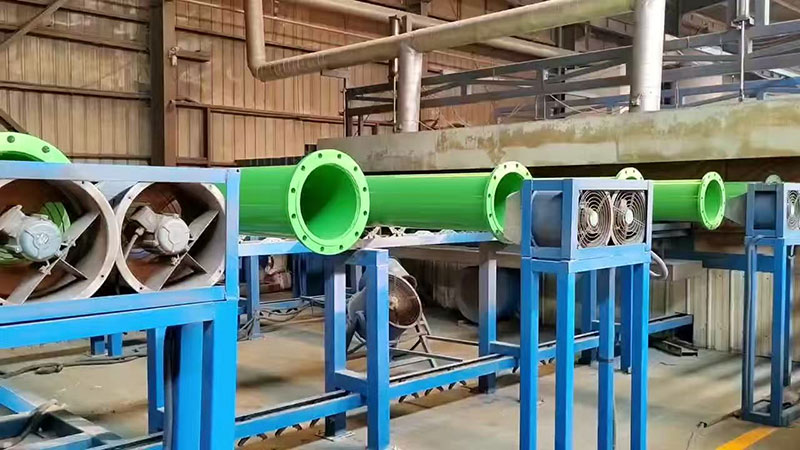
Plastic-coated steel pipes are lighter than traditional steel pipes of the same specifications, and offer flexible connection methods, including grooved connections, flange connections, and threaded connections. Installation is simple and quick, significantly shortening the construction cycle and reducing construction costs. Simultaneously, due to their excellent corrosion resistance, almost no additional anti-corrosion maintenance is required during use; only regular routine inspections are needed, further reducing later maintenance costs.


III. Main Application Scenarios of Plastic-Coated Steel Pipes


With its comprehensive performance advantages, plastic-coated steel pipes are used in a wide range of fields, becoming a versatile tool in engineering construction:


1. Water Supply and Drainage Engineering: Including municipal tap water transportation, residential water pipelines, and sewage transportation pipelines for sewage treatment plants. 1. Corrosion-resistant coating: The anti-corrosion coating effectively prevents pipe corrosion and water pollution, while the smooth inner wall ensures smooth water flow, making it suitable for long-term stable operation.


2. Gas Transmission Engineering: Polyethylene-coated steel pipes possess excellent resistance to gas corrosion and flexibility, making them suitable for indoor and outdoor transmission pipelines of natural gas, liquefied petroleum gas, and other fuels. They can adapt to different terrains and ensure safe gas transmission.


3. Industrial Circulating Water Systems: Circulating water in industrial production often contains corrosive media such as acids and alkalis. The anti-corrosion properties of coated steel pipes effectively resist erosion, making them suitable for circulating water transmission pipelines in industries such as power, chemical, and metallurgy, ensuring stable operation of industrial production.


4. Fire Protection Engineering: Fire protection pipelines have extremely high requirements for safety and reliability. Coated steel pipes possess excellent pressure resistance and corrosion resistance, enabling stable delivery of fire-fighting water in emergencies such as fires. They are suitable for indoor and outdoor fire protection piping systems in buildings.


5. Other Applications: They can also be used in agricultural irrigation pipelines, mine tailings transportation pipelines, seawater desalination pipelines, etc., adapting to the needs of various harsh environments.


IV. Key Points for Purchasing Plastic-Coated Steel Pipes: Avoiding Common Mistakes and Choosing High-Quality Products


When purchasing plastic-coated steel pipes, to ensure project quality, the following points should be emphasized:


1. Check the substrate quality: High-quality plastic-coated steel pipes should use carbon steel pipes that meet national standards as the substrate. Check the uniformity of the substrate wall thickness, pipe diameter accuracy, material certification, etc., and avoid using inferior substrates with uneven wall thickness or substandard materials.


2. Check the coating performance: Pay attention to the material quality, thickness, adhesion, and other indicators of the coating. A high-quality coating should have uniform thickness (usually the inner wall coating thickness should not be less than 0.4mm) and strong adhesion (can be tested through a cross-cut test, with no coating peeling). Also, check the environmental protection test report of the coating to ensure compliance with relevant standards.


3. Choose a reputable manufacturer: Choose a reputable manufacturer with production qualifications, a good track record, and a large production scale. Check the manufacturer's production processes and testing equipment. Reputable manufacturers offer more reliable product quality and provide comprehensive after-sales service.


4. Verify Product Parameters: Based on the actual application scenario, verify the specifications, pressure rating, coating type, and other parameters of the plastic-coated steel pipe to ensure the product matches the project requirements and avoids performance issues due to parameter discrepancies.


5. Review Testing Reports: Request the manufacturer to provide third-party testing reports for the product, including test indicators such as corrosion resistance, mechanical properties, and hygiene performance, to ensure the product meets relevant national standards.


V. Conclusion


As a composite pipe material combining the strength of steel and the corrosion resistance of plastic, plastic-coated steel pipes demonstrate irreplaceable advantages in engineering construction. They not only ensure the safe and stable operation of pipeline systems but also reduce construction and maintenance costs, meeting the modern engineering demands for efficiency, environmental protection, and durability. Whether for municipal engineering, industrial production, or civil construction, choosing high-quality plastic-coated steel pipes lays a solid foundation for the long-term stable operation of the project.


If you have a need to purchase plastic-coated steel pipes, it is recommended to consider factors such as product quality and manufacturer strength in conjunction with the actual application scenario to select the most suitable product solution. For further information on the product details and application cases of plastic-coated steel pipes, please feel free to consult a professional pipe manufacturer for one-on-one professional answers.


Related News
Leave me a message
X
We use cookies to offer you a better browsing experience, analyze site traffic and personalize content. By using this site, you agree to our use of cookies. Privacy Policy
Reject Accept