News

Why Are Q235B Steel Pipes Still a Smart Choice for Demanding Projects?

2026-03-20 0 Leave me a message

When buyers compare steel pipe options, they usually care about the same things: stable quality, realistic lead times, workable pricing, and the confidence that the material will actually match the job. This article explains where Q235B Steel Pipes fit best, what common purchasing problems they solve, how to judge whether they are suitable for structural or fluid-use projects, and what to check before placing an order. Drawing on practical supply and manufacturing experience, Tianjin Juming Steel Pipe Co., Ltd. understands that customers do not just want steel pipes on paper—they want pipes that arrive on time, perform consistently, and reduce risk from procurement to installation.


Outline

  1. Explain the practical value of Q235B Steel Pipes
  2. Identify the most common buyer concerns in supply, fabrication, and installation
  3. Show how different pipe forms fit different projects
  4. Provide a clear comparison table for decision-making
  5. List inspection points to avoid ordering mistakes
  6. Answer frequently asked questions in a direct and useful way

What makes Q235B Steel Pipes widely used?

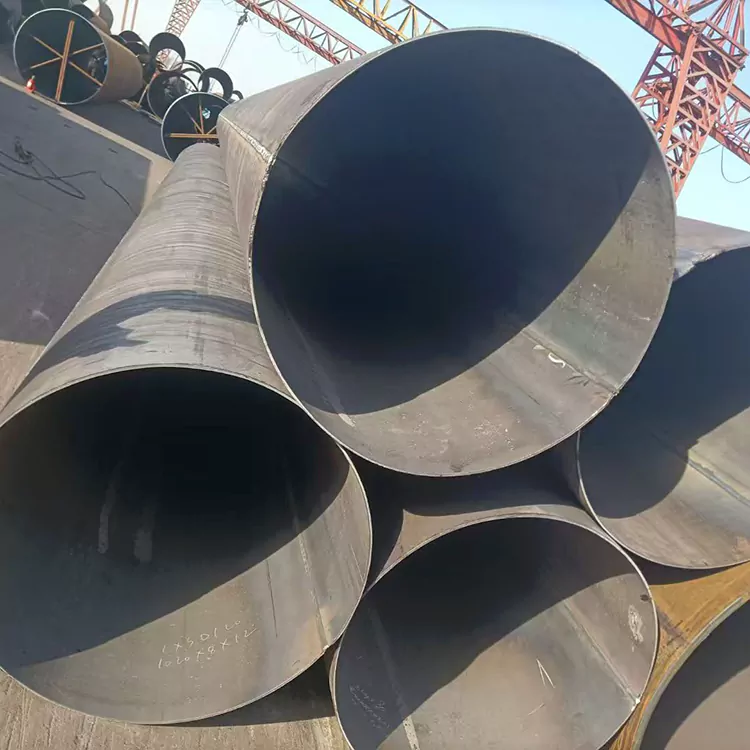
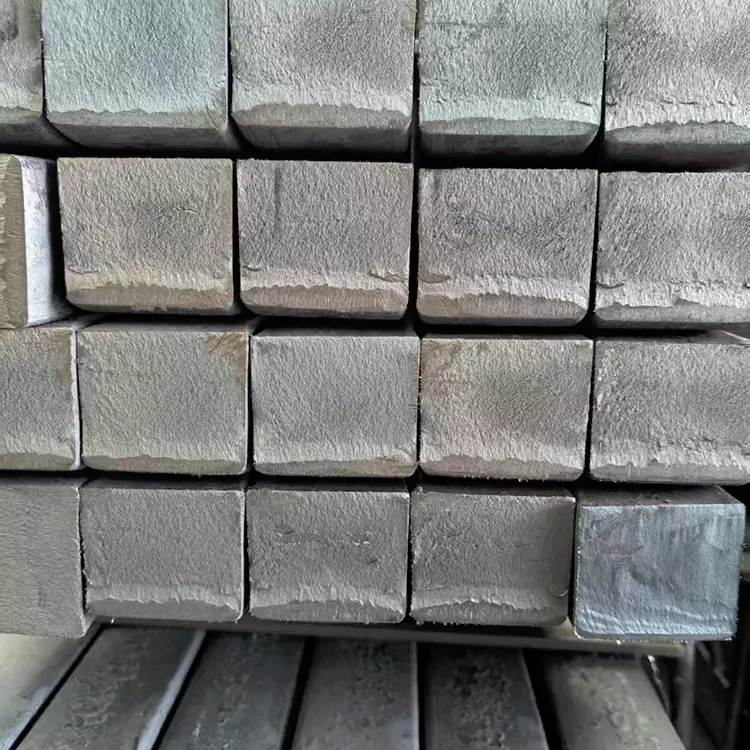
Q235B Steel Pipes

The reason Q235B Steel Pipes remain popular is simple: they sit in a very practical middle ground. Buyers often need a material that is strong enough for common structural work and general transportation tasks, but not so specialized that it causes unnecessary cost pressure or procurement delays. Q235B is valued because it offers dependable mechanical performance, broad processing compatibility, and flexible use across multiple industries.

In real purchasing situations, many customers are not looking for the most extreme grade on the market. They are looking for material that can be welded smoothly, cut cleanly, formed efficiently, and sourced in a predictable way. That is where Q235B Steel Pipes stand out. They are often chosen for construction frames, municipal projects, water transmission lines, piling applications, machinery structures, and many fabricated steel assemblies where balanced performance matters more than over-specification.

Another important advantage is processing flexibility. Buyers may need welded pipe, spiral pipe, straight seam pipe, or seamless pipe depending on pressure level, diameter range, and service conditions. A supplier with broad manufacturing capacity can match the same base material family to different project realities, which makes procurement less fragmented and communication more efficient.


Which customer pain points do they solve?

Most steel pipe inquiries are not really about steel alone. They are about project risk. Delayed deliveries can stop installation schedules. Inconsistent wall thickness can create fabrication trouble. Poor weld quality can increase inspection failure rates. Confusing standards can lead to mismatched purchasing. A good supply of Q235B Steel Pipes helps reduce these problems when the product is made and documented properly.

  • Cost pressure: Buyers want a material that performs well without pushing the budget into an unnecessary premium category.
  • Fabrication difficulty: Easy cutting, welding, and forming save labor time during downstream processing.
  • Specification confusion: Customers often need guidance on outer diameter, wall thickness, length tolerance, and coating options.
  • Supply instability: Reliable lead times matter just as much as material quality in active construction and industrial projects.
  • Inspection anxiety: Traceable production and test records help customers feel secure before shipment and during site acceptance.

This is why buyers tend to value suppliers who can do more than quote a price. They need practical coordination. They need someone who can explain whether a welded solution is enough, whether a larger-diameter spiral pipe is more efficient, whether corrosion protection is necessary, and whether additional testing should be arranged before dispatch.

Common buyer expectation

“I do not want the cheapest pipe on paper. I want the pipe that lets my project move forward without hidden trouble.”


How should buyers choose the right pipe type?

Not all Q235B Steel Pipes are selected for the same reason. The right choice depends on diameter, wall thickness, pressure requirements, installation environment, and fabrication method. Instead of buying by habit, it is better to match the pipe form to the actual application.

Pipe Type Best For Main Advantage Buyer Concern to Check
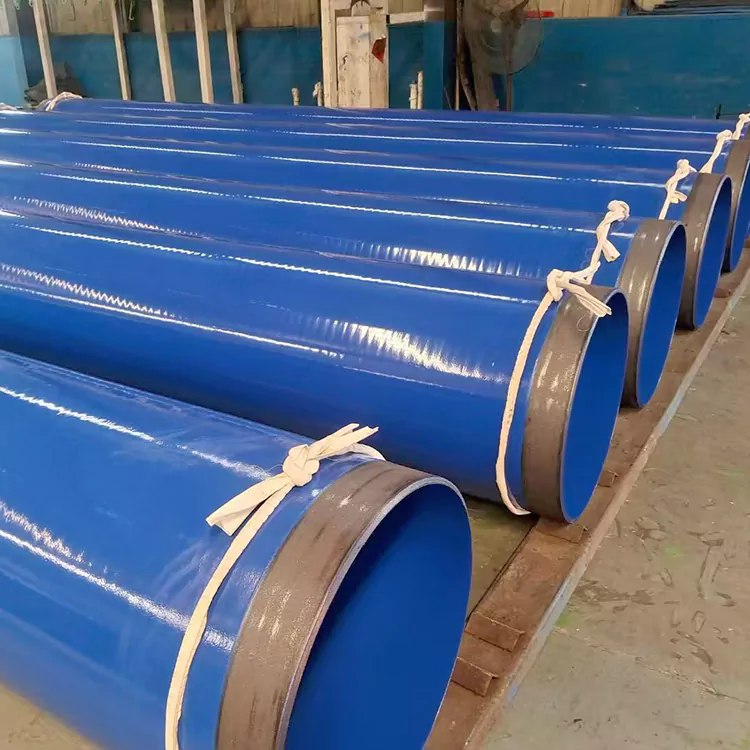
Spiral Steel Pipe Large-diameter pipelines, piling, municipal works Efficient for bigger diameters Weld quality and coating requirements
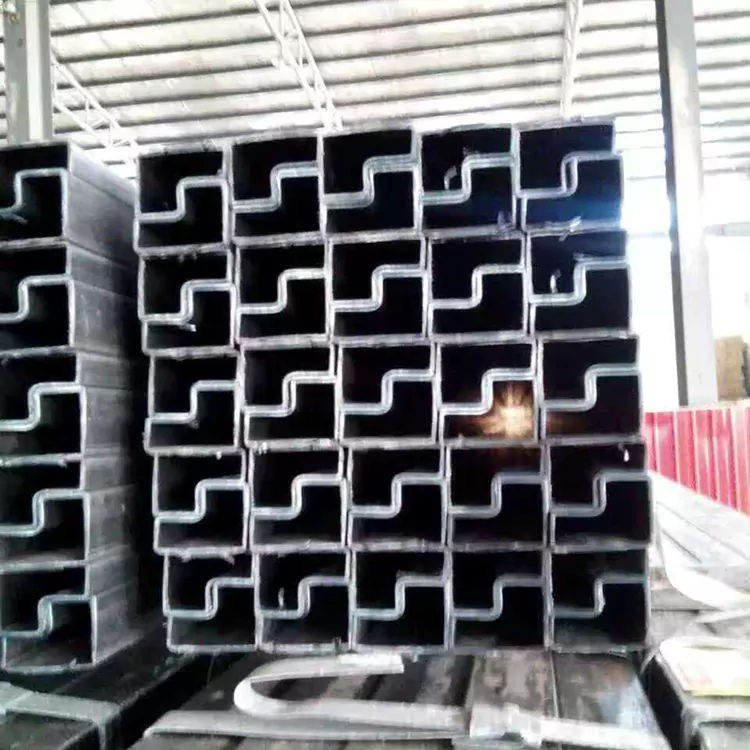
Straight Seam Welded Pipe General fluid transport, structures, machinery Balanced cost and availability Dimensional consistency
Straight Seam Submerged Arc Pipe Heavy engineering, larger transport lines Strong weld integrity for demanding projects Testing records and production lead time
Seamless Steel Pipe Higher-pressure systems, precision structures No longitudinal weld seam Budget and specification matching

A buyer who knows the service environment can avoid overbuying or underbuying. For example, if the pipe is intended for a straightforward support structure, a highly specialized premium option may not add meaningful value. On the other hand, if the pipe will be used in a more demanding transmission or engineering environment, stronger inspection control and more targeted production methods matter.


How do they compare in real purchasing decisions?

In real business conversations, the decision usually comes down to trade-offs. Buyers compare cost, delivery speed, ease of fabrication, and confidence during inspection. Q235B Steel Pipes frequently win because they are practical rather than flashy. They are a strong fit for projects that value reliability, broad usability, and clear cost control.

  • They are easier to integrate into routine fabrication workflows.
  • They support a wide range of dimensions and manufacturing forms.
  • They work well for both domestic and export-oriented project supply.
  • They can be paired with multiple surface treatment options when corrosion is a concern.
  • They reduce the chance of specification mismatch when supplier communication is strong.

For many contractors and distributors, the most valuable thing is not theoretical performance alone. It is predictable execution. They need to know whether the supplier can deliver stable batches, maintain tolerances, support documentation, and respond quickly when project details change. That is exactly why sourcing from an experienced manufacturer matters.


What should be checked before ordering?

Even if the quotation looks attractive, buyers should still slow down and verify the essentials before confirming an order. This step protects both the budget and the schedule.

  1. Confirm the application so the correct pipe type is selected.
  2. Check dimensions carefully including outer diameter, wall thickness, and length.
  3. Clarify the standard to avoid ordering against the wrong project requirement.
  4. Ask about testing such as dimensional checks, weld inspection, pressure testing, or third-party review if needed.
  5. Confirm surface condition such as black pipe, anti-corrosion coating, or other finishing options.
  6. Verify packing and shipping plan because transportation damage or port delay can become a hidden cost.
  7. Review communication speed because a responsive supplier usually solves problems earlier and with less friction.

A professional supplier should be able to answer these questions clearly instead of hiding behind vague promises. That level of clarity saves time for engineers, buyers, distributors, and project managers alike.


Where are they most effective?

Q235B Steel Pipes

Q235B Steel Pipes are especially effective in projects where dependable performance and balanced cost need to go together. They are often selected for:

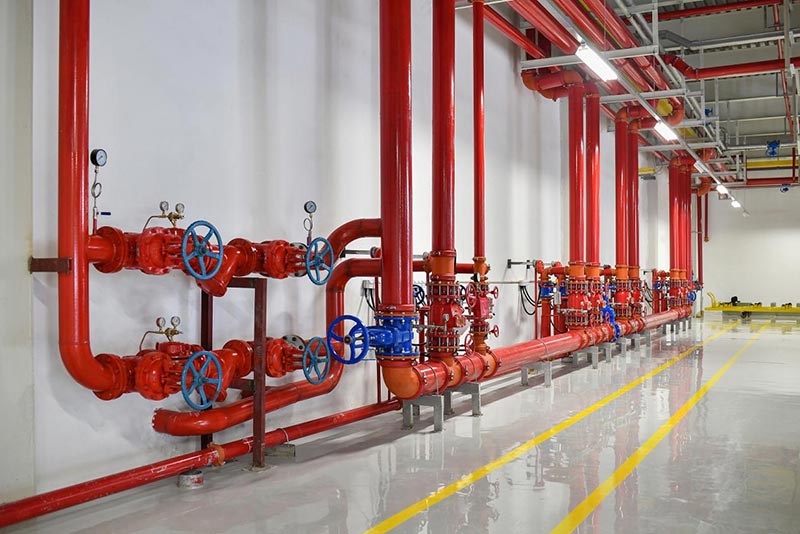
  • Municipal water supply and drainage systems
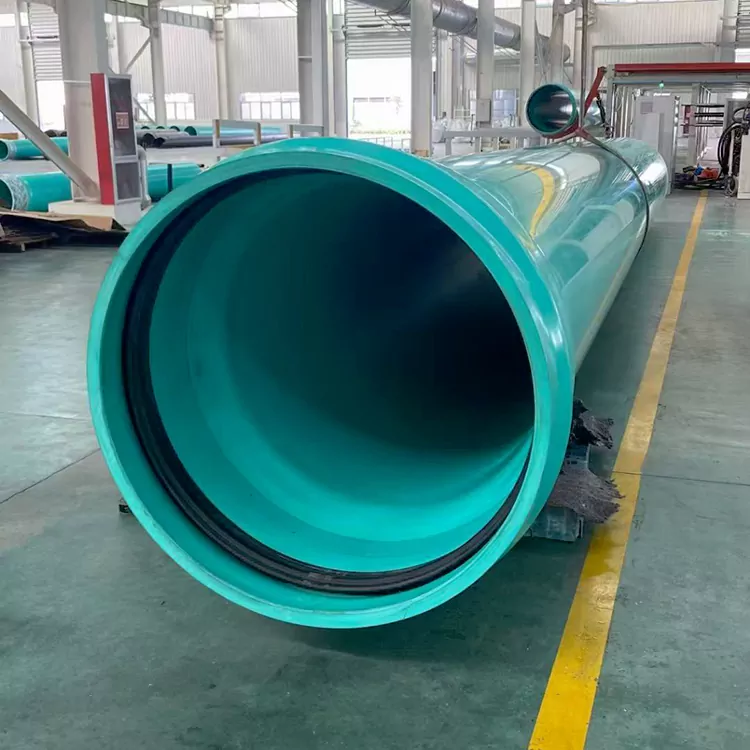
  • General fluid transportation
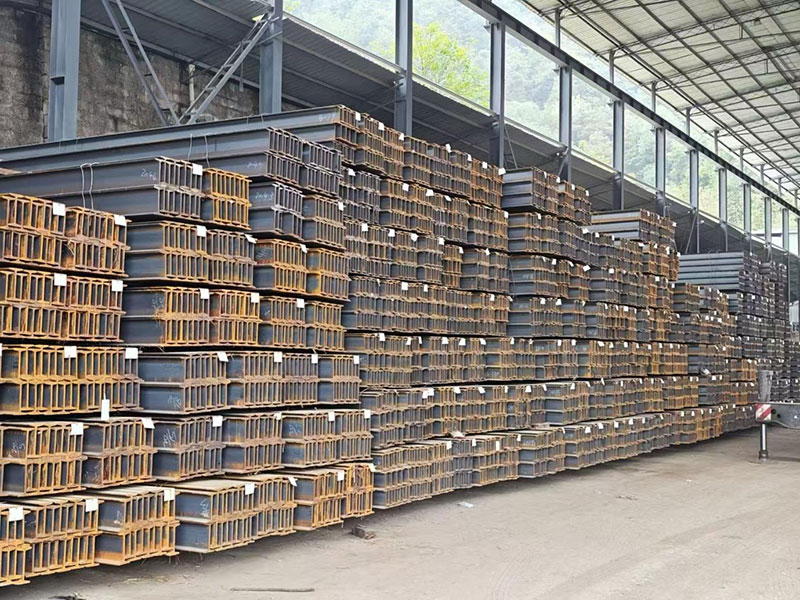
  • Building and structural frameworks
  • Piling and foundation engineering
  • Mechanical fabrication and equipment structures
  • Industrial support assemblies
  • Export projects requiring stable, documented supply

Their value becomes even more obvious when the project does not need exotic material grades but still demands disciplined production, dimensional stability, and workable after-sales communication. In other words, they are often the right answer for practical engineering, not just theoretical specification sheets.


FAQ

Q1: Are Q235B Steel Pipes suitable for structural use?

Yes. They are widely used in structural applications because they offer a practical balance of strength, weldability, and fabrication convenience. The exact suitability still depends on project design, dimensions, and loading conditions.

Q2: Can Q235B Steel Pipes be used for fluid transportation?

They can be used for many general transportation scenarios when the manufacturing process, pipe type, and related standard match the service requirements. Buyers should confirm pressure level, corrosion environment, and inspection needs before final selection.

Q3: What is the biggest mistake buyers make when ordering?

The most common mistake is focusing only on price while overlooking pipe form, tolerances, test requirements, and coating details. A cheaper quotation can become expensive if it creates fabrication delays or inspection issues later.

Q4: Do all projects need anti-corrosion treatment?

No, but many projects do benefit from it. The decision depends on storage conditions, installation environment, transport distance, and long-term exposure to moisture or chemicals.

Q5: How can buyers reduce procurement risk?

Work with a manufacturer that can explain the product clearly, support inspection needs, communicate lead times honestly, and provide consistent follow-through from quotation to shipment.


Conclusion

Choosing the right steel pipe is never just about material grade. It is about whether the product can truly support your schedule, fabrication process, inspection requirements, and long-term project goals. Q235B Steel Pipes continue to earn their place because they solve real purchasing problems with a combination of practicality, flexibility, and dependable performance.

If you are sourcing steel pipes for construction, fluid transport, piling, or industrial fabrication, Tianjin Juming Steel Pipe Co., Ltd. is ready to help you evaluate the right specification, production method, and supply plan for your project. If you want a quotation that matches actual working conditions instead of generic assumptions, contact us today and let us help you move from inquiry to delivery with more confidence.

Back to top

Related News
Leave me a message
X
We use cookies to offer you a better browsing experience, analyze site traffic and personalize content. By using this site, you agree to our use of cookies. Privacy Policy
Reject Accept