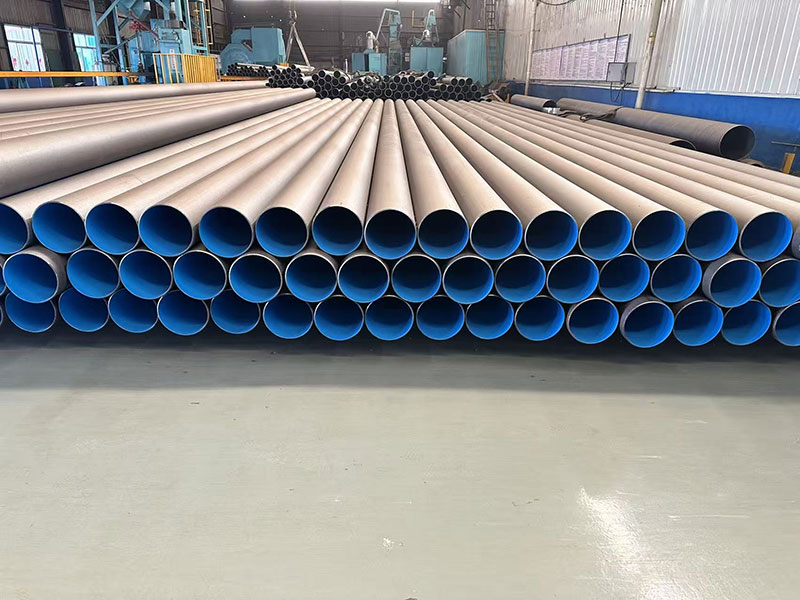
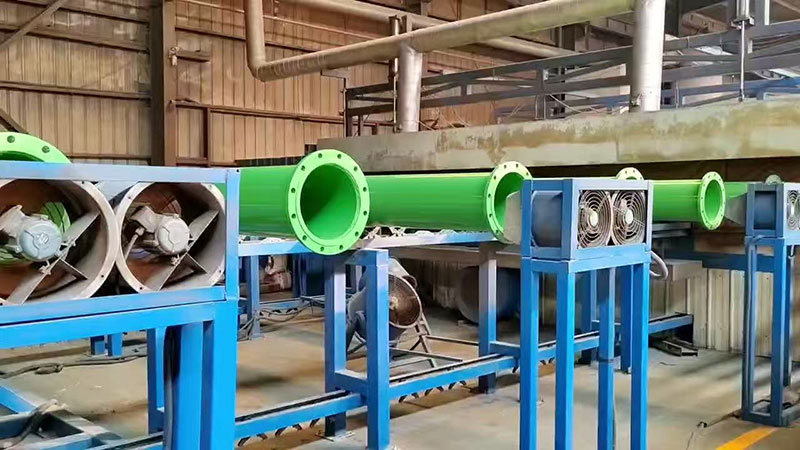
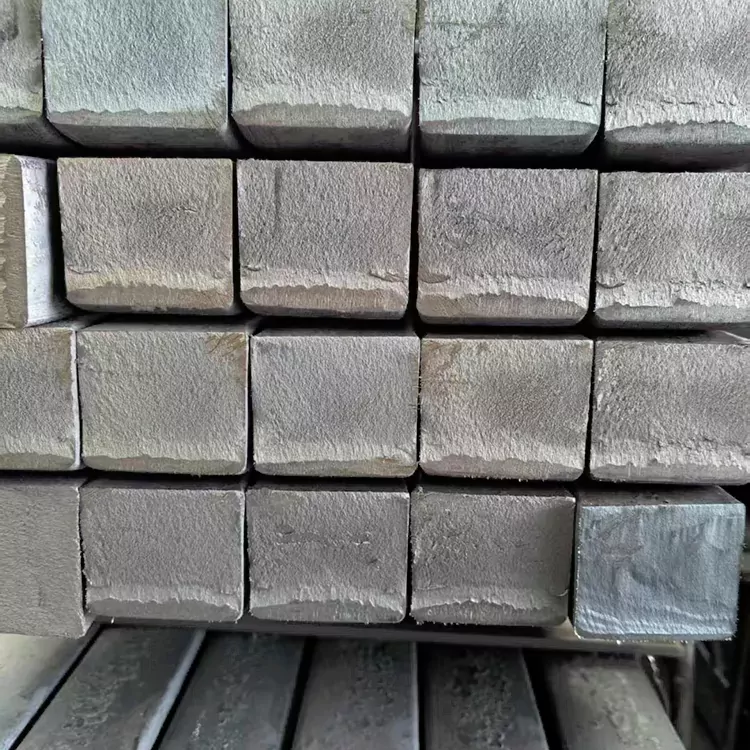
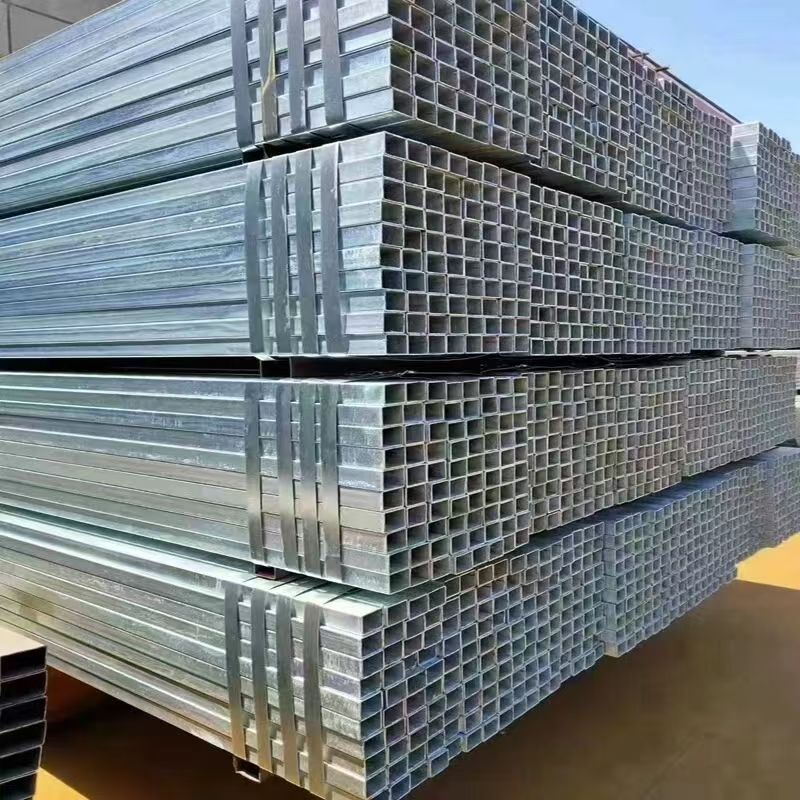
Anti-corrosion steel pipes may appear similar, but their internal coating structures and performance characteristics can be very different. Factors such as coating type, environment, and production quality determine whether a pipe can provide stable long-term protection.
The future development of Single Anti-Corrosion Steel Pipes will continue to focus on balanced performance, including corrosion protection, mechanical strength, installation convenience, and long-term reliability.
Driven by the ongoing implementation of China's dual-carbon strategy and the high-quality upgrade of infrastructure, coated steel pipes—combining the strength of steel with the corrosion resistance of plastic materials—are emerging as the preferred choice for pipeline upgrades in municipal, chemical, energy, and fire protection sectors, propelling the domestic pipeline industry into a new era of green, efficient, and durable development.
Large water-transfer projects rarely fail because engineers cannot find a pump. They fail because the selected pump does not match the real working conditions: too much energy loss, unstable operation under changing water levels, difficult maintenance, poor corrosion resistance, or an installation layout that consumes more space than the project can allow.
For many construction contractors, municipal engineering teams, fabricators, and pipeline buyers, the real challenge is not simply finding steel pipes. The harder task is choosing pipe materials that can balance strength, weldability, delivery stability, budget control, and long-term project reliability.
When buyers start planning a greenhouse project, they often focus first on film, glass, ventilation, irrigation, or internal climate systems. That is understandable.
We use cookies to offer you a better browsing experience, analyze site traffic and personalize content. By using this site, you agree to our use of cookies. Privacy Policy