News

What Is Plastic Coated Steel Pipe and Why Is It the Best Choice for Corrosion-Resistant Pipeline Systems

2026-02-25 0 Leave me a message

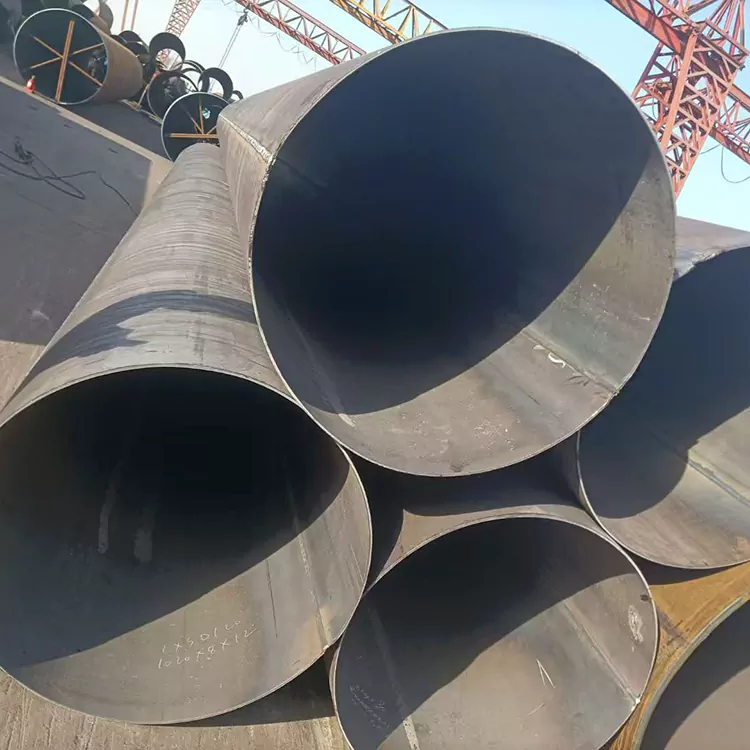
Plastic Coated Steel Pipe has become an essential solution for industries requiring corrosion resistance, durability, and long service life. By combining the mechanical strength of carbon steel with the chemical stability of plastic coatings such as PE, EP, and FBE, this advanced piping material is widely used in water supply systems, fire protection, chemical transportation, mining, and municipal engineering. This comprehensive guide explores manufacturing processes, coating types, performance advantages, standards, applications, and selection tips. Whether you are an engineer, contractor, or procurement manager, this article will help you understand why Plastic Coated Steel Pipe is a superior long-term investment.

Plastic Coated Steel Pipe

Table of Contents


1. What Is Plastic Coated Steel Pipe?

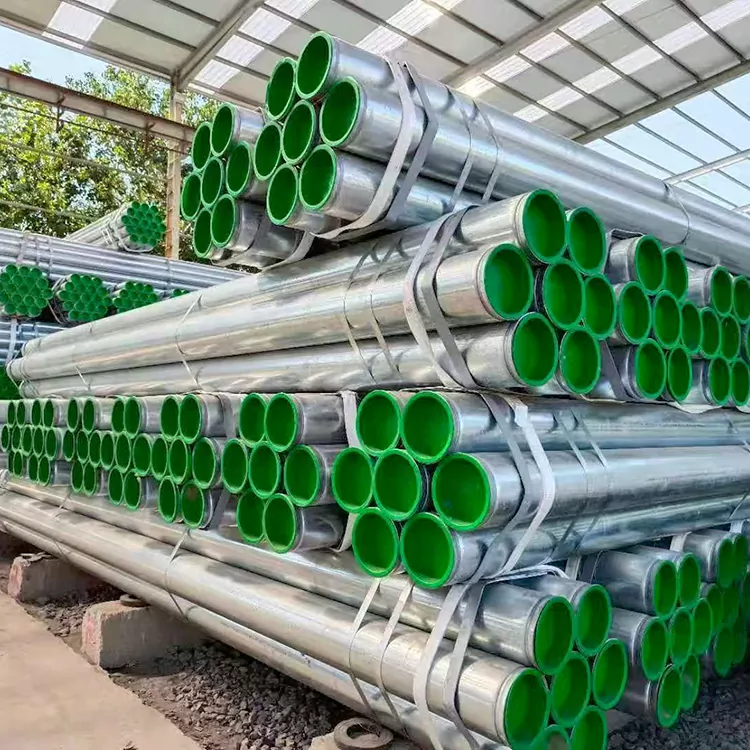
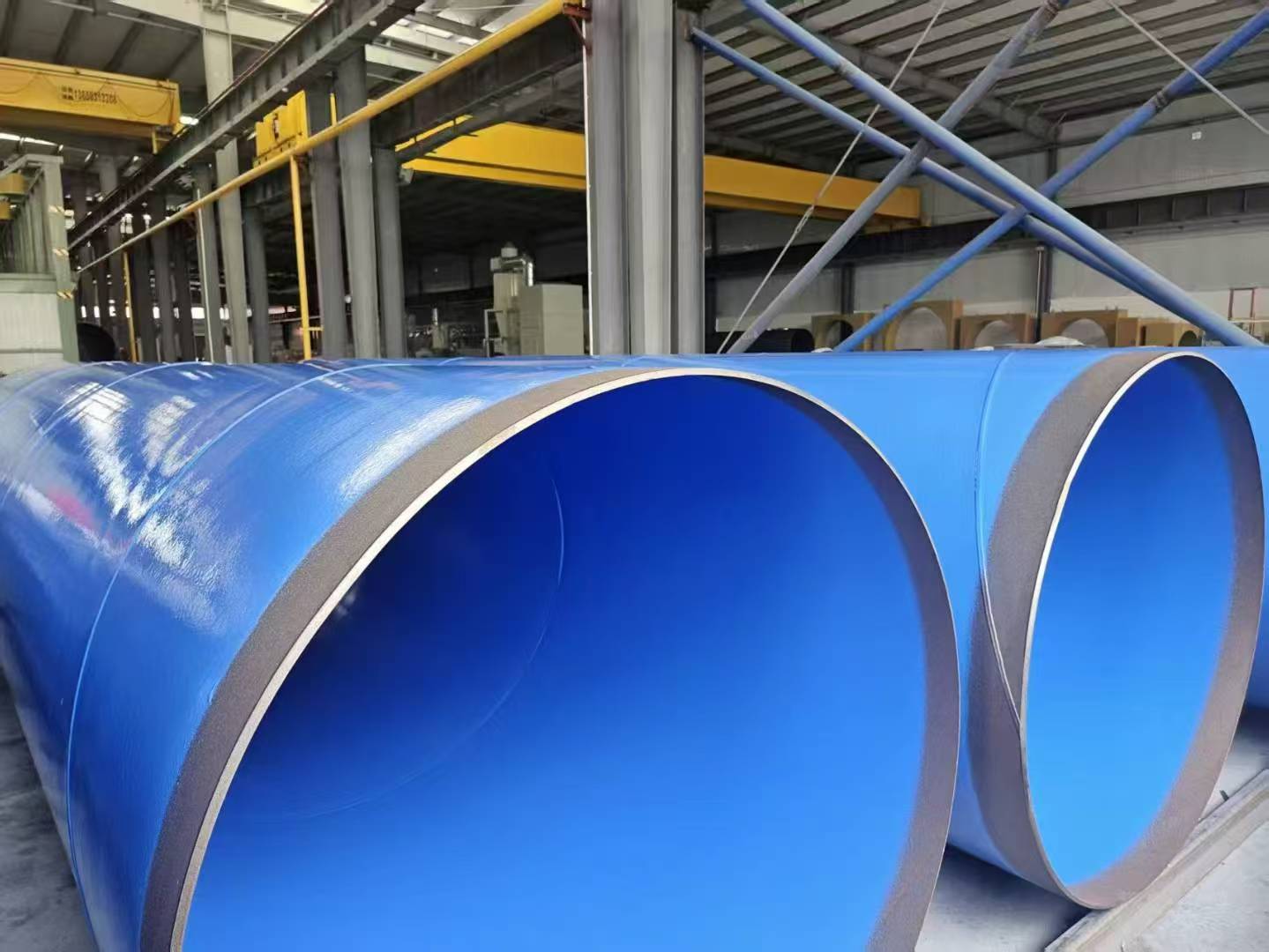
Plastic Coated Steel Pipe is a composite pipe made by applying a protective plastic layer to the internal surface, external surface, or both surfaces of a carbon steel pipe. The coating typically consists of polyethylene (PE), epoxy resin (EP), fusion bonded epoxy (FBE), or three-layer polyethylene (3PE).

The core steel pipe provides structural strength and pressure-bearing capacity, while the plastic layer ensures corrosion resistance, chemical stability, and smooth fluid flow.

Main Structural Components

  • Carbon steel substrate
  • Adhesive bonding layer
  • Plastic coating (internal/external)

2. How Is Plastic Coated Steel Pipe Manufactured?

The production process ensures strong adhesion between steel and coating, enhancing durability and lifespan.

  1. Surface Pretreatment: Shot blasting or sand blasting to remove rust and scale.
  2. Heating Process: Steel pipe is heated to optimal bonding temperature.
  3. Powder Coating Application: Electrostatic spraying or dipping method.
  4. Curing and Cooling: Plastic melts and forms a uniform protective layer.
  5. Inspection and Testing: Thickness, adhesion, spark detection, and pressure testing.

High-quality manufacturers such as Juming Plastic Coated Steel Pipe Supplier follow strict quality inspection systems to ensure product reliability and international compliance.


3. Types of Plastic Coatings (PE, Epoxy, FBE, 3PE)

Coating Type Features Best Applications
PE (Polyethylene) Excellent flexibility, strong corrosion resistance Underground pipelines
Epoxy (EP) Strong adhesion, chemical resistance Water supply systems
FBE High-temperature resistance, durable Oil & gas pipelines
3PE Three-layer protection system Long-distance transmission lines

4. Key Advantages Over Traditional Steel Pipes

1. Superior Corrosion Resistance

Plastic coating prevents contact between steel and moisture, chemicals, and soil.

2. Extended Service Life

Typical lifespan exceeds 30–50 years under normal conditions.

3. Reduced Maintenance Costs

Minimal rust formation lowers long-term operational expenses.

4. Improved Hydraulic Efficiency

Smooth internal lining reduces friction and improves flow efficiency.

5. Environmental Protection

No scaling, no contamination of transported fluids.


5. Major Applications Across Industries

  • Municipal water supply and drainage
  • Fire fighting systems
  • Mining slurry transportation
  • Oil & gas transmission
  • Chemical industry pipelines
  • Power plant cooling systems

For fire protection projects, internal epoxy-coated steel pipes provide both corrosion resistance and hygiene compliance.


6. Technical Specifications and Standards

Parameter Specification Range
Diameter DN15 – DN2000
Coating Thickness 0.3mm – 3.0mm
Pressure Rating Up to 2.5MPa
Standard Compliance ASTM, DIN, ISO, GB

7. Installation and Maintenance Guidelines

Installation Tips

  • Avoid damaging coating during transportation
  • Use rubber padding when lifting
  • Ensure proper sealing at joints

Maintenance Recommendations

  • Regular inspection for coating damage
  • Immediate repair of exposed steel areas
  • Periodic pressure testing

8. How to Choose the Right Plastic Coated Steel Pipe?

Consider the following factors:

  1. Fluid type and chemical composition
  2. Operating temperature and pressure
  3. Installation environment (underground, exposed, marine)
  4. Required standards and certifications
  5. Supplier reputation and quality control

Working with experienced manufacturers like Juming ensures customized solutions tailored to specific engineering requirements.


9. Frequently Asked Questions (FAQ)

Q1: What is the lifespan of plastic coated steel pipe?

Typically 30–50 years depending on environment and coating type.

Q2: Is plastic coated steel pipe suitable for drinking water?

Yes, epoxy-lined pipes comply with drinking water safety standards.

Q3: What is the difference between 3PE and FBE coating?

3PE includes three protective layers offering enhanced mechanical protection compared to single-layer FBE.

Q4: Can plastic coated pipes withstand high pressure?

Yes, the steel core ensures high pressure resistance.

Q5: Are they environmentally friendly?

Yes, they prevent leakage and contamination.


Conclusion: Why Plastic Coated Steel Pipe Is a Smart Investment

Plastic Coated Steel Pipe combines structural strength, corrosion resistance, long service life, and cost efficiency. It outperforms traditional galvanized or bare steel pipes in harsh environments and critical infrastructure projects. With increasing demand for durable pipeline systems worldwide, selecting a trusted supplier is crucial.

If you are looking for high-quality Plastic Coated Steel Pipe solutions tailored to your project needs, Juming provides professional manufacturing, strict quality control, and global supply capabilities. Contact us today to receive customized technical support and competitive quotations — contact us.

Related News
Leave me a message
X
We use cookies to offer you a better browsing experience, analyze site traffic and personalize content. By using this site, you agree to our use of cookies. Privacy Policy
Reject Accept